When it comes to handgun performance in challenging environments, grip texture is often overlooked. Whether you're shooting in the rain, sweating through a workout, or navigating muddy terrain, a firearm’s grip can mean the difference between a solid hold and a catastrophic failure. Serrations, knurling, and textured surfaces are all designed to enhance control and mitigate slippage, but not all grips are created equal. This guide dives into the science behind grip textures, how they work, and why they matter most in wet conditions.

Understanding Grip Textures: Serrations vs. Knurling vs. Smooth Surfaces
Grip texture refers to the design and material used to create friction between your hand and the firearm. Different texturing methods—such as serrations, knurling, and smooth finishes—affect how well the firearm can be gripped under various conditions, especially in wet, humid, or sweaty environments.
Serrations
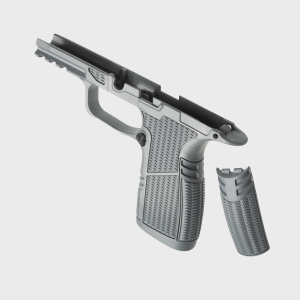
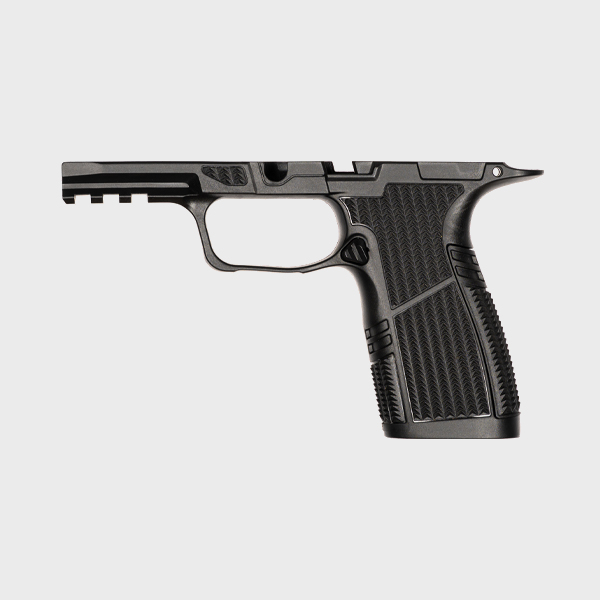
Serrations are grooves or notches cut into the grip’s surface, typically on the front and back straps, as well as the slide. The purpose of serrations is to create multiple points of contact between the skin and the firearm, which increases friction and prevents slipping. Serrations are ideal for controlling recoil, especially when firing rapid follow-up shots.
-
Pros: Provides a stable grip during recoil and prevents slippage during rapid fire.
-
Cons: Too aggressive serrations may cause discomfort, especially in cold or wet conditions when your hands might be sensitive.
Knurling
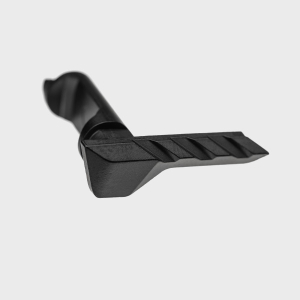
Knurling is the process of rolling a textured pattern onto a surface, often used on metal parts like the slide or controls. Knurling creates a diamond or crosshatch pattern that provides a very tactile grip, especially on parts of the firearm that are not commonly held, such as the slide or safety levers. It’s often seen on handguns, rifles, and AR-15 components.
-
Pros: Provides an aggressive grip with excellent purchase, even when wet. Knurling is ideal for fine control in slippery conditions.
-
Cons: May cause hand fatigue during extended sessions due to its aggressive feel. Not always comfortable for all users.
Smooth Surfaces
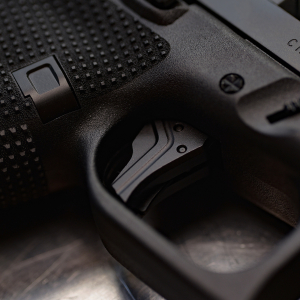
While not typically used on grip surfaces, smooth textures are often found on the lower receiver or areas of the firearm where precision and controlled movements are more important than friction, such as the trigger guard or the magazine release. Though smooth surfaces lack grip, they are designed to allow for swift action without resistance.
-
Pros: Provides a more ergonomic, comfortable feel and better aesthetic for users who prefer less texture.
-
Cons: Can be slippery, especially in wet conditions, reducing control during recoil or when drawing the firearm.
Grip Texture and Its Impact in Wet Conditions
In humid or wet conditions, standard grip textures can become ineffective. A slick surface is much harder to maintain control over, especially during a fast-paced range session or in high-stress situations. For those who carry in adverse environments or work in tactical settings, it’s essential to understand how textures impact wet-weather handling.
Wet Hands and Gun Control
When your hands are wet, grip materials such as rubber or smooth plastic become slippery, while rougher textures like serrations or knurling continue to provide friction. The more aggressive the texture, the better the firearm will stay locked in your hand, even under stress or during movement.
Why Aggressive Textures Matter in Wet Conditions
In wet conditions, the added texture of serrations and knurling allows the user to establish and maintain a solid grip. When hands are wet, these textures provide more surface area for your hand to grip, which is critical for maintaining stability during shooting. A grip with more prominent, deeper textures will help you maintain control even in the rain or during intense physical exertion.
Choosing the Right Texture for Wet Weather
-
Serrations: Best for areas that require a firm grip during recoil or when drawing the firearm. The backstrap and front strap are ideal for serrations to prevent slippage during follow-up shots.
-
Knurling: Ideal for areas of your firearm that are less commonly held but need high precision, such as slide grips or levers. This ensures you can manipulate the firearm confidently without losing grip, even when handling it with wet hands.
-
Grip Panels: For firearms with interchangeable panels, selecting rubberized or textured grip panels is highly recommended for wet conditions.
What to Look for in Grips for Wet Conditions
When selecting or modifying your firearm for wet conditions, here are the key things to look for:
-
Durability: Look for textures and materials that will hold up over time, even after repeated exposure to water and moisture.
-
Comfort: While aggressive textures provide better control, they should not cause discomfort during long-range sessions or carry.
-
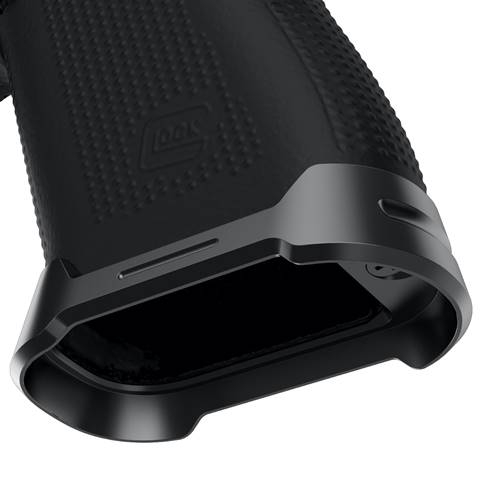
Customizability: Some firearms, especially those with polymer grips, allow for interchangeable or customizable grip panels. Rubberized panels or grips with aggressive textures provide better control in wet conditions.
Did you know?
Many competitive shooters in high-humidity environments prefer knurled grips for their ability to maintain control during rapid fire. The texture creates a better purchase, which can shave seconds off reload times and follow-up shots.
Conclusion: Mastering Grip Control for Wet Conditions
When it comes to handling firearms in wet conditions, the right texture makes all the difference. Whether you’re in the rain, sweating, or handling your firearm after a workout, choosing the right grip texture for your needs can significantly improve your control and performance. Serrations, knurling, and well-designed grip panels allow you to maintain a solid hold on your weapon, even in the most challenging environments.
For precision-machined grips designed to enhance your control, even in the wettest conditions, check out our range of grip modules and upgrades.
FAQs
1. Can I modify the texture of my firearm’s grip?
Yes, there are aftermarket grip enhancements available, including grip tape, custom panels, or stippling that add texture for better control.
2. Are serrated grips more effective than knurled grips?
Serrated grips are often better for recoil control, while knurled grips provide more precision and better grip for manipulation of the firearm.
3. Does a smoother grip work for wet conditions?
No, smoother grips become slippery when wet. Textured grips like serrations or knurling provide a better hold.
4. How do I maintain my textured grips?
Regular cleaning with a mild soap solution and a soft brush will keep your grip from accumulating dirt and oils that can reduce texture performance.
5. Can I use rubber grips in wet conditions?
Yes, rubber grips provide good traction even in wet conditions. However, they may wear down faster than other textures, so consider using them with care.