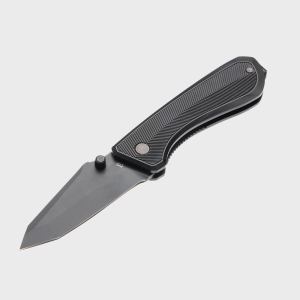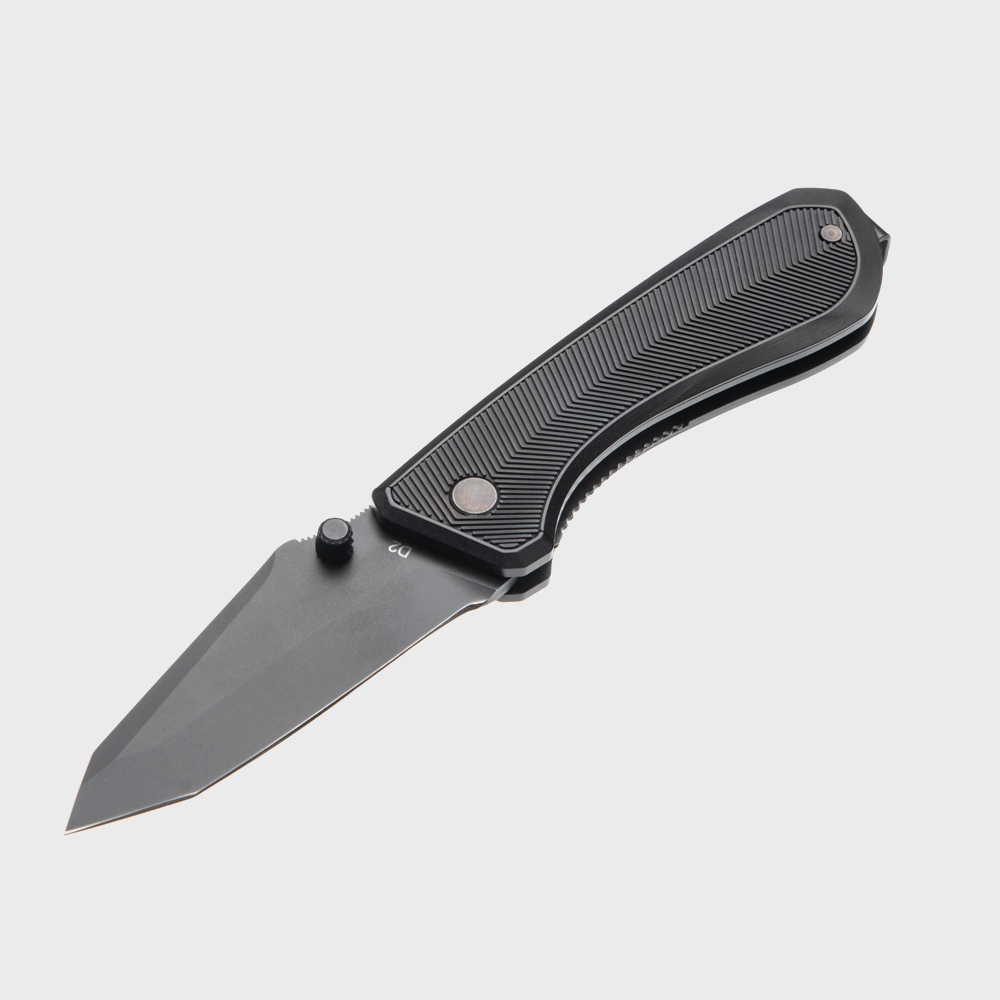
Choosing an everyday carry knife often starts with blade shape, handle material, or overall size, but the steel itself has the biggest impact on long-term performance. Two of the most important characteristics are edge retention and corrosion resistance. While both are desirable, improving one often involves trade-offs with the other.
The best steel is not necessarily the one that stays sharp the longest or resists rust the best. It is the one that matches how you actually carry and use your knife. Understanding these differences helps you choose a blade that performs consistently in real-world conditions rather than simply looking impressive on a specification sheet.
What Is Edge Retention?
Edge retention refers to how long a knife maintains a sharp cutting edge during normal use. A steel with high edge retention requires less frequent sharpening, making it attractive for users who cut regularly throughout the day.
Longer Working Edge
High edge retention allows the blade to stay effective through repeated cutting tasks before noticeable performance begins to decline.
Less Frequent Sharpening
Because the edge wears more slowly, maintenance intervals are generally longer.
Not Maintenance-Free
Even the highest-performing steels eventually require sharpening. Good cutting technique and proper maintenance remain important.
What Is Corrosion Resistance?
Corrosion resistance describes how well a steel resists rust, staining, and environmental damage from moisture, sweat, humidity, and everyday exposure.
Protection Against Moisture
Knives carried daily often encounter sweat, rain, and changing weather conditions. Corrosion-resistant steels tolerate these environments much better.
Lower Maintenance Requirements
Blades with higher corrosion resistance generally require less frequent cleaning and oiling to maintain their appearance.
Better for Daily Pocket Carry
For many users, especially those who carry close to the body every day, corrosion resistance is just as valuable as edge retention.
The Trade-Off Between the Two
No blade steel excels equally in every category. Most steels balance edge retention, toughness, ease of sharpening, and corrosion resistance differently.
Higher Edge Retention
Steels designed to stay sharp longer may require more effort when it is finally time to sharpen the blade.
Higher Corrosion Resistance
Steels that resist rust exceptionally well sometimes sacrifice a small amount of edge retention compared to wear-focused alloys.
Balance Is Usually Best
For everyday carry, a balanced steel often provides the most practical combination of durability, maintenance, and cutting performance.
Choosing Steel Based on How You Carry
Your environment has a major influence on which steel makes the most sense.
Urban Everyday Carry
Opening packages, cutting tape, and handling light utility work usually benefit from balanced steels that are easy to maintain.
Outdoor Use
Frequent exposure to moisture, dirt, and changing weather increases the importance of corrosion resistance.
High-Volume Cutting
If your knife sees constant daily use, stronger edge retention may reduce sharpening frequency and improve overall convenience.
Don't Forget Ease of Sharpening
Many buyers focus entirely on how long a knife stays sharp while overlooking how difficult it becomes to restore that edge.
Simple Maintenance Matters
A steel that sharpens easily can often be maintained more consistently than one that resists wear but requires significantly more effort.
Regular Touch-Ups
Small maintenance sessions help preserve cutting performance and reduce the need for aggressive sharpening later.
Other Factors That Affect Performance
Steel is only one part of the equation. Heat treatment, blade geometry, and sharpening quality all influence real-world cutting performance.
Heat Treatment
Even premium steel performs poorly if it is not heat treated correctly.
Blade Geometry
A properly ground edge often cuts better than a premium steel with poor edge geometry.
User Maintenance
Cleaning, drying, and sharpening habits have a significant impact on long-term performance regardless of steel choice.
Did You Know?
Many everyday carry users benefit more from a balanced blade steel that is easy to maintain than from an ultra-premium steel designed solely for maximum edge retention.
Conclusion: Choose the Steel That Matches Your Routine
The best EDC knife steel is the one that fits your daily environment, maintenance habits, and cutting tasks. Some users prioritize edge retention to reduce sharpening frequency, while others value corrosion resistance for dependable everyday carry in challenging conditions. In most cases, a balanced steel provides the best combination of durability, cutting performance, and ease of maintenance. For everyday carry tools designed around practical performance and long-term reliability, explore EDC gear and accessories built for real-world use.
FAQs
What is edge retention?
Edge retention measures how long a knife stays sharp during normal cutting tasks.
Why is corrosion resistance important for EDC knives?
Everyday carry knives are regularly exposed to sweat, humidity, and moisture, making rust resistance valuable.
Does better edge retention mean better steel?
Not necessarily. The best steel depends on your intended use, maintenance routine, and environment.
Do corrosion-resistant steels still require maintenance?
Yes. Cleaning and drying the blade regularly helps maximize long-term performance and appearance.
Should beginners prioritize ease of sharpening?
For many users, yes. A steel that sharpens easily is often more practical for everyday carry than one that is difficult to maintain.