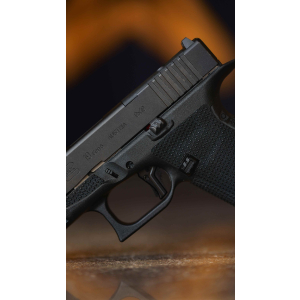
The Glock Gen 6 platform introduced updates to ergonomics, optics mounting, trigger design, recoil system geometry, and internal components. While many external upgrades remain compatible with previous generations, internal compatibility is more selective than many shooters initially expect. Building a reliable Gen 6 requires understanding which parts transfer successfully and which upgrades should be purchased specifically for the new generation.
The safest approach is to focus first on proven external upgrades that maintain reliability while improving handling, control, and shooter comfort. This allows you to enhance performance without introducing unnecessary compatibility concerns.
Start With Controls and Ergonomics
The easiest upgrades for a Gen 6 are the controls you interact with every time you shoot. These parts provide immediate benefits while maintaining factory reliability.
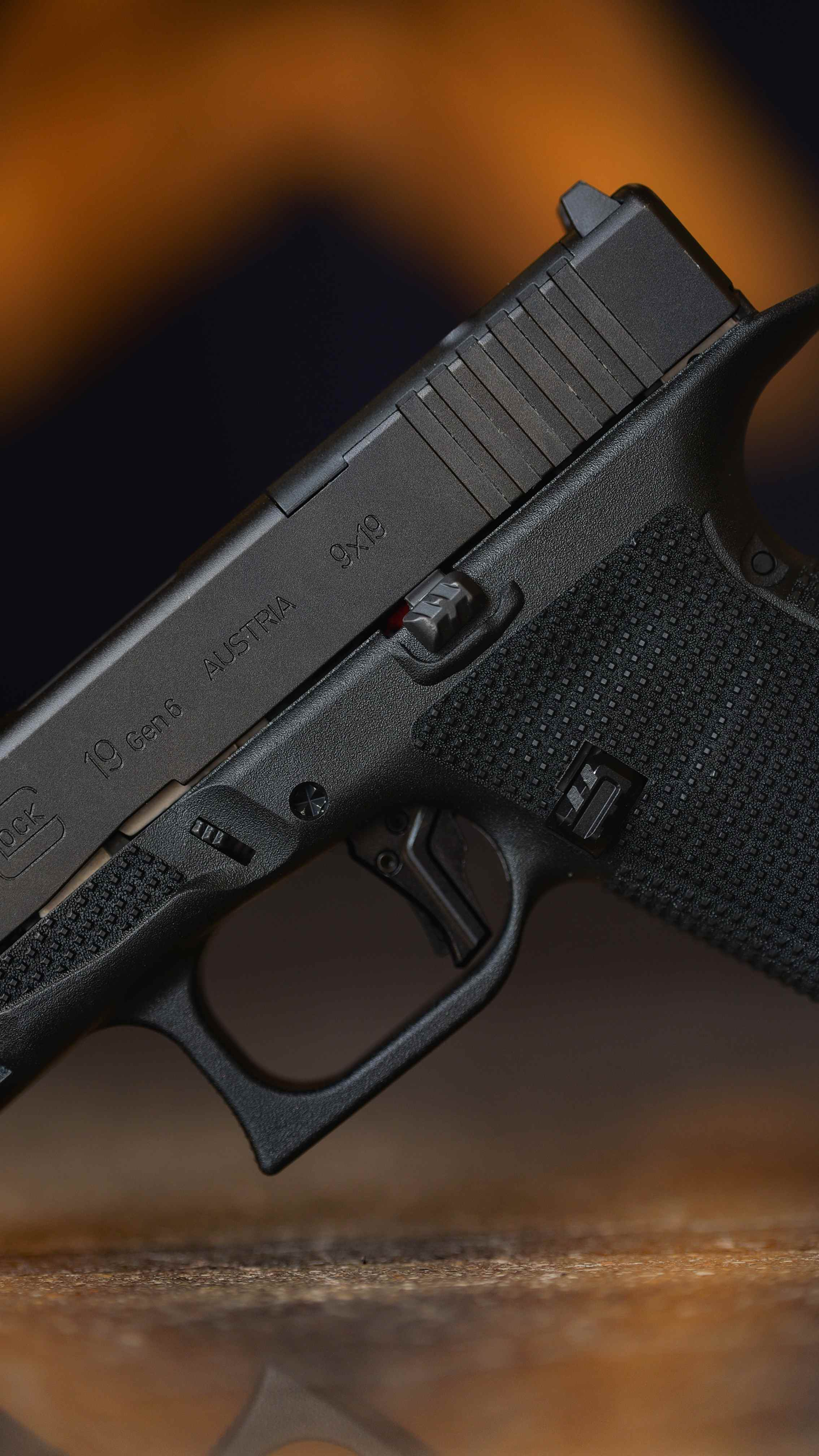
Extended Magazine Release
A properly designed magazine release improves reload speed by reducing grip disruption. The best designs provide additional surface area without becoming oversized or prone to accidental activation.
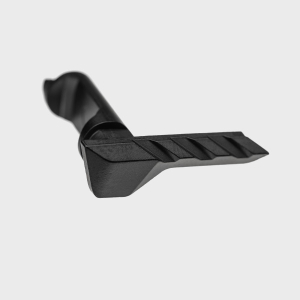
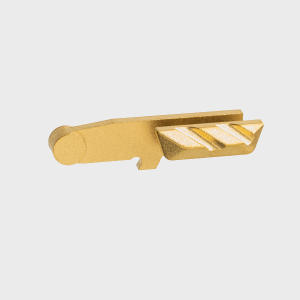
Extended Slide Release
An upgraded slide release can improve slide-lock reloads and make manipulations easier under stress, especially for shooters with smaller hands.
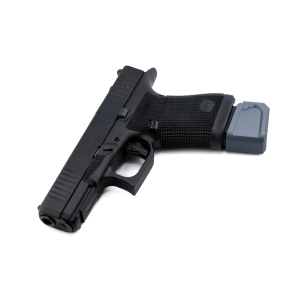
Magazine Extensions
Magazine extensions remain among the most practical Gen 6 upgrades because they improve reload indexing, grip surface, and capacity when paired with appropriate springs.
Upgrade the Sights and Optics System
One of the strongest areas for Gen 6 customization is the sighting system.
Iron Sights
Many aftermarket sight options provide improvements in visibility, durability, and target acquisition compared to factory configurations.
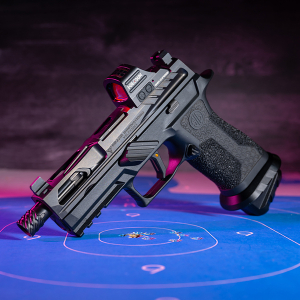
Red Dot Optics
Shooters planning to run a red dot should prioritize optics and mounting systems designed specifically for their slide configuration and intended use.
Suppressor-Height Sights
For optic-equipped pistols, taller sights can provide a useful backup aiming system without significantly affecting handling.
Focus on Grip Enhancements Before Internal Changes
Many shooters see greater practical gains from improving grip and control than from immediately replacing internal components.
Backstrap Configuration
Proper grip sizing allows the pistol to fit the hand more naturally, often improving consistency and recoil control.
Grip Texture Adjustments
Grip tape or texture modifications can improve traction for shooters who need additional control during rapid fire or adverse weather conditions.
Magwell Upgrades
A quality magwell helps guide magazines into the pistol during reloads while maintaining reliable seating and ejection.
Be Careful With Internal Upgrades
This is where many Gen 6 owners encounter compatibility issues.
Triggers
Although some trigger components from earlier generations may physically fit, dedicated Gen 6 trigger systems are generally the safest option for maintaining reliability and consistent trigger feel.
Barrels
Barrels should be treated as generation-specific components. Proper lockup geometry and fitment are critical to both reliability and accuracy.
Recoil Systems
Recoil assemblies should always match the intended platform to ensure proper cycling characteristics and return-to-battery performance.
Parts That Commonly Transfer Successfully
Several categories of upgrades remain relatively safe because they rely on external dimensions rather than internal operating geometry.
Magazines
Magazine compatibility remains one of the strongest areas of continuity across Glock generations.
Holsters
Many existing holsters continue to fit newer models, although retention should always be verified before use.
Weapon Lights
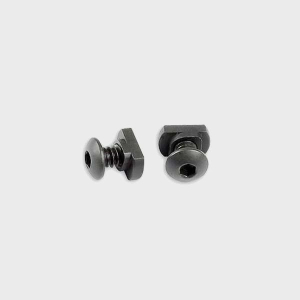
Rail-mounted accessories generally remain compatible because the accessory rail dimensions remain familiar across many Glock models.
External Controls
Magazine releases, slide releases, and related ergonomic upgrades are among the safest aftermarket modifications for the platform.
A Smart Upgrade Path for Most Shooters
Rather than replacing multiple internal systems immediately, most Gen 6 owners benefit from a staged approach.
Stage One
Upgrade sights, controls, magazines, and grip-related components.
Stage Two
Add optics, magwells, and performance-oriented accessories after confirming reliability.
Stage Three
Consider dedicated trigger systems, barrels, and recoil components only after verifying compatibility with your specific model.
This progression minimizes reliability issues while maximizing practical performance gains.
Did You Know?
Many of the most noticeable Glock performance improvements come from better ergonomics and control upgrades rather than major internal modifications.
Conclusion: Upgrade the Areas That Matter Most
The best Glock Gen 6 upgrades focus on improving control, ergonomics, and usability before changing core operating components. External controls, sights, magazines, optics, and grip enhancements provide the safest path to better performance while maintaining factory reliability. Internal upgrades should always be selected carefully to ensure proper fitment and dependable operation. For performance-focused upgrades engineered around modern Glock fitment, explore Glock upgrade parts designed for dependable handling and consistent operation.
FAQs
What should I upgrade first on a Glock Gen 6?
Controls, sights, magazines, and grip-related components usually provide the biggest immediate benefits.
Are magazine extensions worth adding?
Yes, they can improve reload speed, grip surface, and capacity when properly configured.
Should I replace internal parts immediately?
No, most shooters benefit more from external ergonomic upgrades before modifying internal systems.
Do optics improve practical performance?
For many shooters, optics improve target acquisition and consistency, particularly at speed.
How can I maintain reliability while upgrading?
Focus on proven components, test changes individually, and verify function before making additional modifications.