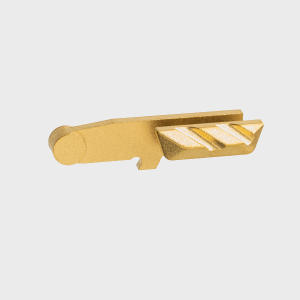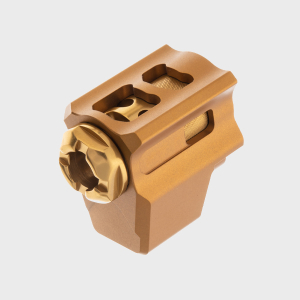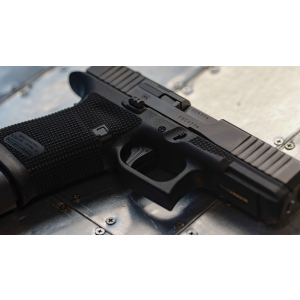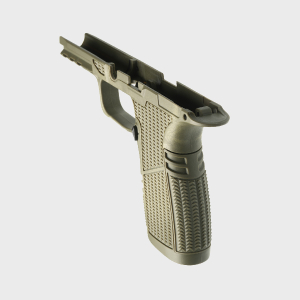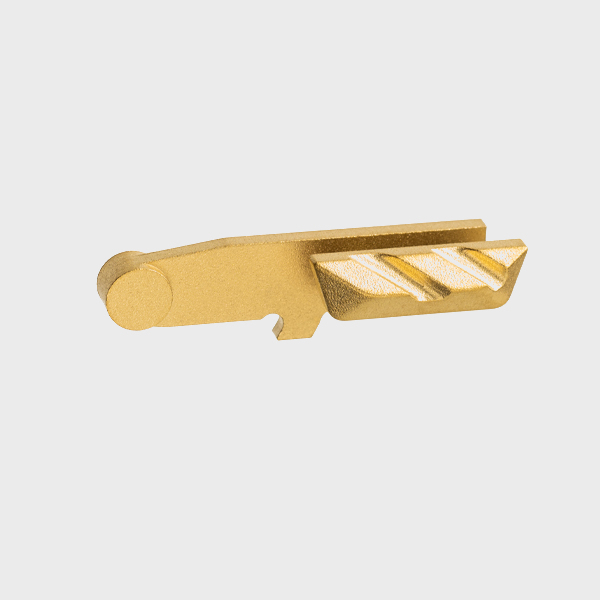
The P365 slide catch lever is a critical component that significantly influences how your pistol handles during shooting and reloading. However, many shooters experience premature lock-back issues caused by unintended thumb pressure on the lever during grip and firing. Understanding how thumb pressure interacts with the slide catch lever can help you maintain reliable operation and consistent shooting performance.
When the slide catch lever is properly positioned and the shooter maintains correct grip discipline, the P365 functions exactly as designed. When thumb pressure inadvertently engages the lever during the firing sequence, shooters may experience unintended slide lock-back, interrupted cycling, or difficulty completing strings of fire. Learning to recognize and prevent thumb pressure interference ensures your P365 performs reliably in all situations.
What the Slide Catch Lever Actually Does
The slide catch lever serves as the interface between your thumb positioning and the pistol's slide locking mechanism. It helps hold the slide in the rearward position when the magazine is empty while responding to manual thumb manipulation during reload sequences.
Because the P365 platform operates within tight ergonomic limits, even slight thumb position changes can affect how the lever functions and whether it accidentally engages during normal shooting.
Magazine-Empty Hold
The lever catches the slide when the last round is chambered and the magazine empties, holding it in the open position for reload.
Thumb Release Control
Proper thumb positioning allows shooters to deliberately release the slide or keep it forward, depending on shooting needs.
Why Thumb Pressure Matters
Thumb pressure and hand position directly affect how the slide catch lever interacts with the slide itself.
Too High Thumb Position
When the thumb rides too high on the grip, it can create continuous upward pressure against the lever, causing unintended engagement during firing cycles.
Too Low Thumb Position
A thumb positioned too low reduces mechanical advantage over the lever but may prevent proper control during intentional lock-back releases during reloading.
Proper Thumb Placement
Correct thumb positioning keeps the lever disengaged during the firing cycle while maintaining the ability to deliberately operate the lever when needed for reloads.
Understanding Grip Mechanics
Slide catch interference during shooting often results from grip mechanics rather than component issues.
Shooting Hand Grip Pressure
Inconsistent grip pressure or tension can cause the shooting hand thumb to move during recoil, potentially engaging the lever unintentionally.
Support Hand Positioning
Occasionally, support hand thumb placement can interfere with or affect the shooting hand thumb's relationship to the slide catch lever.
Recoil-Induced Movement
Natural recoil during firing can shift hand position slightly. Proper grip foundation helps maintain consistent thumb-to-lever clearance throughout the shooting sequence.
How to Check for Proper Lever Function
Before live-fire testing, several simple inspections can help confirm proper installation and grip compatibility.
Visual Alignment
The slide catch lever should appear centered and properly seated in the frame, with smooth contours and no visible damage or deformation.
Manual Cycling Testing
Cycle the slide slowly while maintaining your normal shooting grip and verify that the slide does not lock back prematurely during the cycle.
Thumb Position Verification
Check that your thumb naturally positions away from the lever during your shooting grip and only contacts it when deliberately manipulated for reload sequences.
Release Function Check
Verify that you can deliberately press the lever to lock the slide back when the magazine is empty, confirming mechanical function remains intact.
Common Signs of Thumb Pressure Interference
Problems caused by unintended thumb pressure on the slide catch lever often appear during both dry-fire practice and live shooting.
Premature Slide Lock-Back
If the slide locks back before the magazine is empty, thumb pressure on the lever should be evaluated during your grip and firing sequence.
Inconsistent Lock-Back Timing
Changes in when lock-back occurs from shot to shot may indicate variable thumb pressure or shifting hand position during recoil.
Difficulty Releasing Slide Intentionally
If you cannot easily depress the lever to release the slide during reloads, grip position may need adjustment to allow proper thumb access.
Interrupted Shooting Strings
Unintended slide lock-back stopping your shooting sequence indicates thumb interference that requires grip modification or technique adjustment.
Balancing Thumb Control and Function
The goal of proper slide catch lever management is not simply preventing accidental engagement. Your grip must allow reliable lever operation when needed while maintaining uninterrupted shooting performance.
Technique Comes First
Adjusting thumb position is far more effective than component modifications when dealing with premature lock-back issues.
Test With Your Carry Load
Always verify grip compatibility using the ammunition and magazines you intend to carry, as different load weights may affect cycling and thumb pressure dynamics.
Monitor Grip Consistency
Even after establishing proper thumb positioning, periodically check that your grip remains consistent during training and carry to prevent recurring interference issues.
When Grip Adjustments Are Necessary
If premature lock-back appears during shooting, resist the urge to immediately modify or replace the lever component.
Evaluate thumb position, grip pressure, hand size compatibility, and shooting technique separately. A methodical approach to identifying the actual cause makes solving the problem significantly easier and faster.
Did You Know?
Many reported P365 slide catch lever issues are caused by grip technique and thumb positioning rather than lever design or component defects.
Conclusion: Proper Thumb Positioning Ensures Reliable Operation
The P365 slide catch lever does far more than hold the slide open between magazines. It represents the balance between reliable lock-back functionality and uninterrupted firing cycles. By understanding thumb pressure mechanics, maintaining consistent grip discipline, and verifying function carefully, P365 owners can achieve both intentional slide control and dependable performance. For premium components engineered for ergonomic reliability and precise mechanical function, explore P365 slide catch lever upgrades designed for carry comfort and tactical reliability.
FAQs
What does the P365 slide catch lever do?
It catches and holds the slide in the rearward position when the magazine is empty and allows manual control of slide position during reloads.
Can thumb pressure cause premature lock-back?
Yes, unintended thumb pressure engaging the lever during the firing cycle can cause the slide to lock back before the magazine is empty.
How do I know if my thumb is causing the problem?
Perform dry-fire testing while focusing on thumb position awareness and observe whether lock-back timing correlates with thumb movement.
Will a different slide catch lever prevent thumb interference?
Component replacement rarely solves thumb pressure issues. Grip technique and hand positioning adjustments are far more effective solutions.
Should I test with my carry ammunition?
Yes, reliability and cycling characteristics should always be verified with the specific ammunition and magazines you intend to carry regularly.