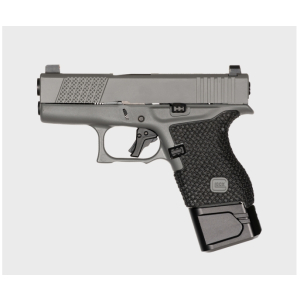
A compensator can significantly change how a Glock 43 shoots, but performance depends on more than simply attaching the device to the barrel. One of the most important factors is stem selection. The correct stem length affects compensator alignment, cycling characteristics, lockup consistency, and overall reliability.
When the stem and compensator are properly matched, the system functions smoothly while reducing muzzle rise. When they are mismatched, shooters may experience cycling issues, premature wear, or inconsistent performance. Understanding how stem length influences timing and function helps ensure the compensator performs as intended.

What the Stem Actually Does
The stem serves as the interface between the compensator and the barrel assembly. It helps establish the final position of the compensator while influencing how the entire system aligns during operation.
Because the Glock 43 platform operates within relatively tight dimensional limits, even small differences in stem length can affect how the compensator sits and functions.
Alignment Control
The stem helps ensure the compensator remains properly positioned relative to the bore axis.
Consistent Lockup
Proper stem selection supports repeatable barrel positioning when the slide returns to battery.
Why Length Matters
Stem length directly affects the compensator's relationship to the slide and barrel.
Too Short
A stem that is too short may prevent the compensator from seating correctly. This can create alignment issues or inconsistent positioning during cycling.
Too Long
An excessively long stem can create unwanted pressure between components, affecting slide movement and lockup consistency.
Proper Length
The correct stem length allows the compensator to seat securely while maintaining the clearances necessary for reliable operation.
Understanding Timing
Compensator timing refers to how the device aligns and functions during the pistol's operating cycle.
Slide Velocity Considerations
A compensator alters gas flow, which can influence slide speed and overall cycling behavior.
Barrel Movement
The barrel must unlock and relock consistently. Improper stem fitment can interfere with this process.
Return-to-Battery Consistency
Correct timing helps the slide and barrel return to battery smoothly after each shot.
How to Check for Proper Fitment
Before live-fire testing, several simple inspections can help confirm proper installation.
Visual Alignment
The compensator should appear centered and evenly aligned with the slide profile.
Manual Cycling
Cycle the slide slowly and verify that movement remains smooth throughout the entire range of travel.
Clearance Inspection
Look for any signs of contact between the compensator and surrounding components.
Lockup Verification
The barrel should consistently return to battery without hesitation or binding.
Common Signs of Incorrect Stem Selection
Problems caused by stem mismatch often appear during both manual handling and live fire.
Failure to Return to Battery
If the slide occasionally stops short of full lockup, stem fitment should be evaluated.
Inconsistent Ejection Patterns
Changes in slide velocity may affect how spent cases eject.
Abnormal Wear Marks
Unexpected finish wear can indicate improper alignment or unwanted contact.
Erratic Recoil Behavior
A compensator that is not functioning consistently may create unpredictable recoil characteristics.
Balancing Performance and Reliability
The goal of a compensated Glock 43 is not simply reducing recoil. The system must remain reliable under realistic operating conditions.
Function Comes First
A slight reduction in recoil is not worth sacrificing dependable cycling.
Test With Carry Ammunition
Always verify performance using the ammunition you intend to shoot most often.
Monitor Long-Term Performance
Even a properly installed compensator should be inspected periodically for wear, alignment, and continued reliability.
When Adjustments Are Necessary
If reliability issues appear after installation, avoid immediately changing multiple variables at once.
Evaluate alignment, stem fitment, recoil system configuration, and ammunition separately. A methodical approach makes diagnosing the actual cause significantly easier.
Did You Know?
Many compensator-related reliability issues are caused by fitment and timing problems rather than the compensator design itself.
Conclusion: Proper Stem Selection Drives Performance
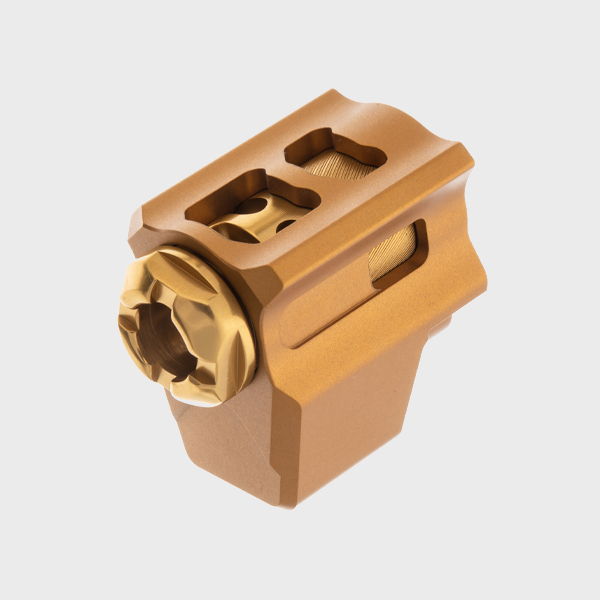
The correct T-Comp stem does far more than hold the compensator in place. It influences alignment, timing, lockup consistency, and overall reliability. By matching stem length properly and verifying function carefully, Glock 43 owners can achieve the benefits of a compensator while maintaining dependable operation. For performance components engineered around precise fitment and reliable cycling, explore Glock compensator upgrades designed for modern carry and range applications.

FAQs
What does a compensator stem do?
It helps position and secure the compensator while influencing alignment and cycling behavior.
Can the wrong stem length affect reliability?
Yes, incorrect stem length can create timing issues, lockup problems, and inconsistent cycling.
How do I know if my compensator is aligned correctly?
Check visual alignment, smooth manual cycling, and consistent return to battery.
Will a compensator change slide velocity?
Yes, compensators alter gas flow and can affect how the slide cycles.
Should I test with my carry ammunition?
Yes, reliability should always be verified with the ammunition you intend to use most often.