As round counts increase, handguard temperature becomes more than a comfort issue—it directly affects grip consistency, recoil control, and shooter confidence. During extended range sessions or rapid strings of fire, even a well-built AR can become uncomfortable if the handguard transfers excessive heat to the support hand.
One common question is whether a rubber overmolded handguard provides a meaningful advantage over bare aluminum. While both options have strengths, understanding how they handle heat helps determine which setup best matches your shooting style and training routine.
Why Handguard Heat Builds Up
Every shot transfers heat from the barrel into surrounding components. As firing continues, that heat spreads through the barrel nut and into the handguard.
How quickly the handguard heats up—and how it feels in your hand—depends on both the material and the amount of direct contact with your support hand.
Barrel Temperature
Long firing strings naturally generate more heat than slow, deliberate shooting. The hotter the barrel becomes, the more heat eventually reaches the handguard.
Environmental Conditions
Direct sunlight, high ambient temperatures, and limited airflow can increase perceived handguard temperature even before firing begins.
Bare Aluminum Handguards
Aluminum remains the most common material for modern free-float handguards because it offers excellent strength, rigidity, and weight characteristics.
Fast Heat Transfer
Aluminum quickly absorbs and distributes heat throughout the handguard. While this allows heat to spread evenly, it also means the surface becomes noticeably warm during extended firing.
Rapid Cooling
Once firing stops, aluminum also dissipates heat relatively quickly thanks to its excellent thermal conductivity.
Consistent Structural Performance
Heat has little effect on the rigidity of a quality aluminum handguard, making it a dependable choice for demanding applications.
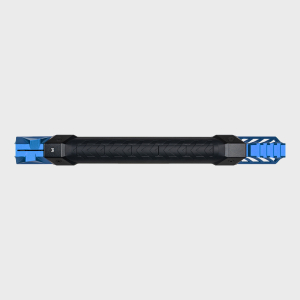
Rubber Overmolded Handguards
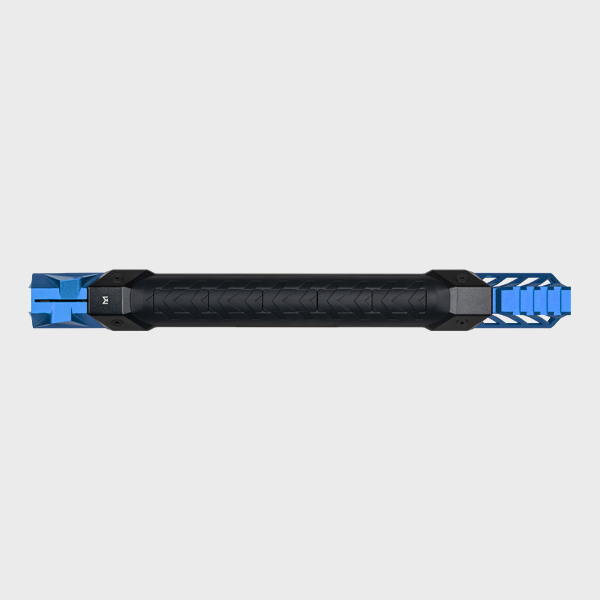
Rubber overmolding changes how the shooter experiences heat without eliminating it entirely.
Reduced Surface Heat
The rubber layer acts as an insulating barrier, making the handguard feel cooler against the support hand during sustained firing.
Improved Grip
Rubber provides additional traction, especially when hands become wet, sweaty, or gloved.
Heat Still Exists Beneath the Surface
Although the exterior feels cooler initially, the underlying aluminum continues to absorb heat during prolonged firing.
Performance During Rapid Fire
Rapid strings reveal the differences between these two approaches more clearly than slow-fire shooting.
Bare Aluminum
The handguard temperature rises quickly, making gloves or altered hand placement beneficial during long strings.
Rubber Overmold
The insulating layer delays heat transfer to the hand, allowing many shooters to maintain a more consistent support-hand grip.
Grip Consistency
Comfort often translates into better control because the shooter is less likely to subconsciously adjust hand placement as temperatures increase.
Other Factors That Influence Heat Management
Material alone does not determine how hot a rifle feels during use.
Hand Placement
Holding the rifle closer to the receiver often reduces perceived heat compared to gripping near the gas block.
Shooting Pace
Short pauses between strings allow temperatures to stabilize and improve overall comfort.
Protective Accessories
Rail covers, hand stops, and gloves can all improve comfort without changing the handguard itself.
Which Option Is Right for You?
The best choice depends on how the rifle is used.
Training and Competition
Shooters running frequent drills or high round counts may appreciate the added comfort and traction of a rubber overmold.
Lightweight Performance Builds
Bare aluminum remains an excellent option for those prioritizing low weight, rigidity, and rapid cooling.
General-Purpose Rifles
Both designs perform well when paired with proper shooting technique and realistic firing schedules.
Did You Know?
Many shooters attribute declining recoil control to fatigue when, in reality, increasing handguard temperature has caused subtle changes in support-hand pressure and grip consistency.
Conclusion: Comfort Helps Maintain Control
Neither rubber overmold nor bare aluminum is universally better—they simply manage heat differently. Bare aluminum excels in strength, weight, and cooling performance, while rubber overmolds improve comfort and grip during sustained firing. Choosing the right handguard depends on your training style, firing schedule, and personal preferences. For precision-engineered AR components built around durability, ergonomics, and modern performance, explore AR-15 upgrade parts designed to perform under demanding conditions.
FAQs
Does a rubber overmold keep a handguard cooler?
It reduces the amount of heat transferred to your hand, making the surface feel cooler during extended shooting.
Does bare aluminum get hot faster?
Yes, aluminum transfers heat efficiently, so the surface temperature rises more quickly during sustained firing.
Will a rubber overmold affect accuracy?
No, the overmold primarily changes grip comfort and insulation rather than the rifle's mechanical accuracy.
Should I wear gloves during high-round-count training?
Gloves can improve comfort and maintain grip consistency when handguard temperatures increase.
Can rail covers reduce handguard heat?
Yes, quality rail covers help insulate your support hand and improve comfort during extended shooting sessions.