Suppressors, often referred to as silencers, are devices attached to firearms to reduce the noise and muzzle flash generated when a gun is discharged. While they are legal in many parts of the world, their status in the United States has been a topic of debate and legislative action. This guide provides an overview of how suppressors work, their benefits, and the current legal landscape as of 2026.
How Suppressors Work
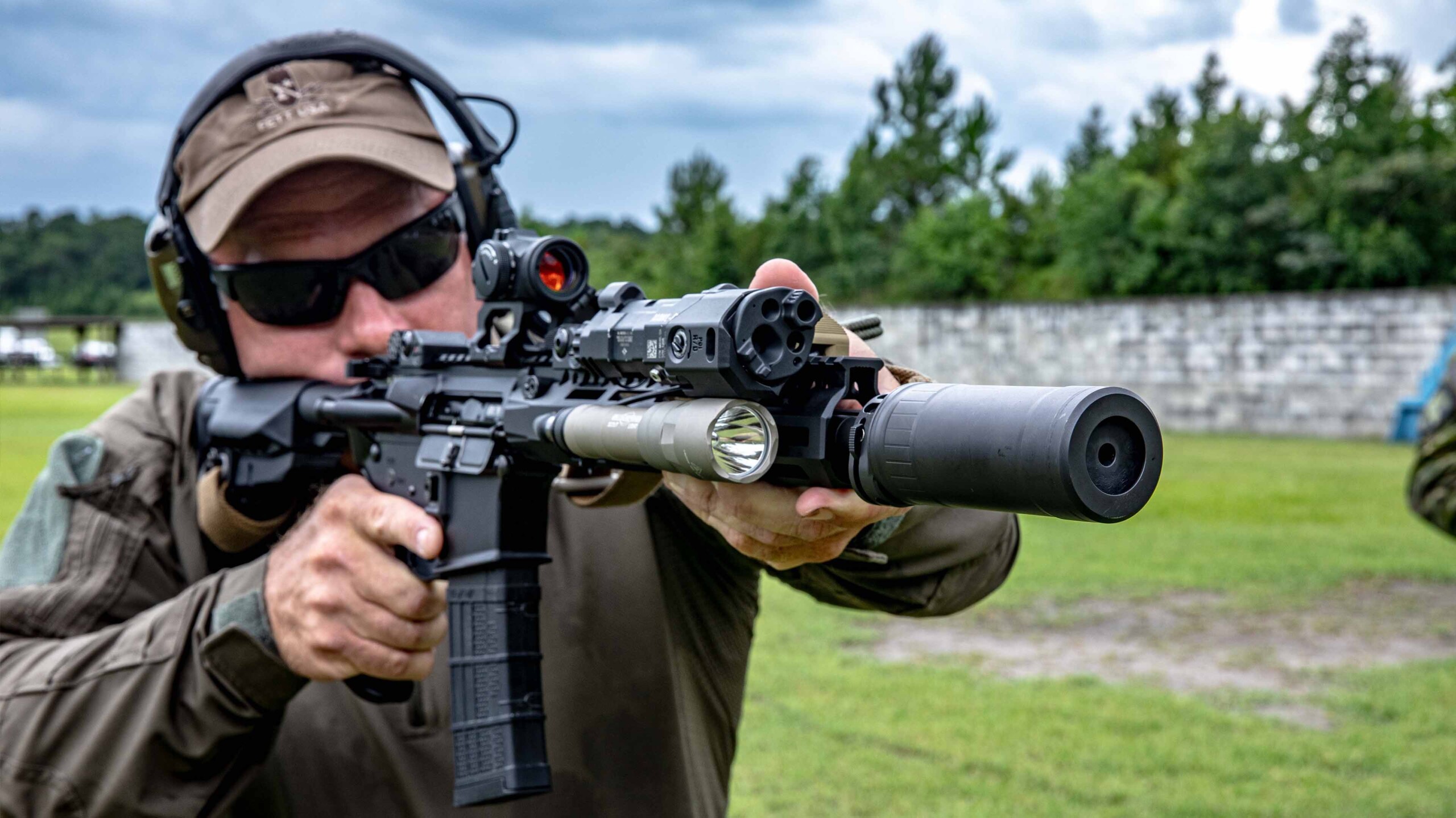
A suppressor is typically a metal tube that attaches to the muzzle of a firearm. Inside, it contains a series of internal baffles or expansion chambers that slow and cool the propellant gases released when a round is fired. This process reduces the speed and pressure of the gases, thereby decreasing the noise produced. While suppressors can significantly reduce the sound of gunfire, they do not make firearms completely silent. The effectiveness of a suppressor depends on various factors, including the type of firearm, ammunition, and suppressor design.
Benefits of Using Suppressors
-
Hearing Protection: Suppressors can reduce the noise level of gunshots, which helps protect the hearing of shooters and those nearby. A single unsuppressed shot can cause permanent hearing damage, but a suppressor can lower the sound by up to 35 decibels, making shooting safer for the ears.
-
Improved Communication and Awareness: Lower noise levels allow shooters to hear range commands, warnings, and other important sounds, enhancing safety and situational awareness during shooting activities.
-
Reduced Recoil: Suppressors can help reduce recoil, making firearms easier to control and improving accuracy, especially for novice shooters or those using high-powered rifles.
-
Less Muzzle Flash: Suppressors can decrease the visible muzzle flash, which is beneficial for low-light shooting scenarios and can help maintain the shooter's night vision.
-
Noise Complaints: Suppressors can mitigate noise complaints from neighbors, which is particularly useful for shooting ranges and hunters operating near residential areas.
Legal Status of Suppressors in the United States (2026)
As of 2026, the legal status of suppressors in the U.S. varies by state and federal law. At the federal level, suppressors are regulated under the National Firearms Act (NFA) of 1934, which requires individuals to undergo a background check, submit fingerprints, and pay a $200 tax to purchase or manufacture a suppressor. However, recent legislative changes have altered this landscape:
-
Elimination of the $200 Tax: On July 4, 2025, President Trump signed the "One Big Beautiful Bill" into law, which included a provision reducing the $200 tax on suppressors, short-barreled rifles, short-barreled shotguns, and Any Other Weapons (AOWs) to $0. This change will take effect on January 1, 2026. Despite this, the registration and approval process through the Bureau of Alcohol, Tobacco, Firearms and Explosives (ATF) remains in place for these items.
-
Ongoing Legal Challenges: Following the passage of the bill, Gun Owners of America and 15 Republican-led states filed lawsuits aiming to remove suppressors from the NFA entirely, arguing that the current regulations are unconstitutional under an expanded interpretation of the Second Amendment. These legal battles are ongoing and could further impact suppressor laws in the future.
Did you know?
Properly maintaining your threaded barrel attachments can extend their lifespan by up to 50%, saving you the cost of frequent replacements.
State Laws Regarding Suppressors
While federal law sets a baseline for suppressor regulation, individual states have the authority to enact their own laws. As of 2025:
-
Legal in Most States: Suppressors are legal for civilian use in 42 of the 50 states, provided individuals comply with federal NFA requirements.
-
Prohibited States: Eight states—California, Delaware, Hawaii, Illinois, Massachusetts, New Jersey, New York, and Rhode Island—have laws that explicitly prohibit civilian ownership of suppressors. Additionally, the District of Columbia has similar restrictions.
-
Hunting Regulations: Some states allow suppressors for hunting purposes but may have specific regulations or restrictions in place. It's essential for hunters to check local laws before using suppressors in these activities.
Conclusion
Suppressors offer several benefits, including hearing protection, improved communication, reduced recoil, and less muzzle flash. While their legal status in the United States has been evolving, recent legislative changes have made them more accessible to law-abiding citizens. However, prospective suppressor owners should remain informed about both federal and state regulations to ensure compliance and safe use.
FAQs
1. Are suppressors legal in all states?
No, suppressors are legal for civilian use in 42 states but are prohibited in eight states: California, Delaware, Hawaii, Illinois, Massachusetts, New Jersey, New York, and Rhode Island. Additionally, the District of Columbia has similar restrictions.
2. Do I need a tax stamp to purchase a suppressor?
As of January 1, 2025, the $200 tax stamp requirement for suppressors has been eliminated. However, the registration and approval process through the ATF remains in place.
3. Can I use a suppressor for hunting?
Many states allow the use of suppressors for hunting, but specific regulations vary. Hunters should check local laws to ensure compliance.
4. How do I purchase a suppressor?
To purchase a suppressor, you must go through a Federal Firearms License (FFL) dealer who is authorized to handle NFA items. The process involves submitting an ATF Form 4, undergoing a background check, submitting fingerprints, and paying the applicable tax (if required).
5. Are suppressors the same as silencers?
Yes, "suppressor" and "silencer" are terms used interchangeably to describe the device that reduces the noise of a firearm. The term "suppressor" is more commonly used in the United States, while "silencer" is often used in legal contexts.