Installing a compensator is only half the equation. The real question is whether it actually improves performance - or just changes how the gun feels. To know if a comp is doing its job, you need to evaluate recoil behavior, split times, and red-dot movement in a structured way. This guide breaks down how to test a compensator properly, using repeatable methods that reveal real gains instead of placebo effects.
What a Comp Should (and Shouldn’t) Do
A compensator’s primary role is to redirect gas to counteract muzzle rise. It should help keep the gun flatter during recoil, allowing faster follow-up shots and better dot tracking. However, a comp will not magically eliminate recoil or fix poor grip fundamentals. Proper testing separates mechanical improvement from shooter adaptation.
Testing Recoil Reduction the Right Way
Use Controlled Ammo and Conditions
Start by using the same ammunition, grip pressure, and stance for every test. Changes in bullet weight or power factor can skew results and make it impossible to compare performance before and after the comp.
Focus on Muzzle Rise, Not Just “Feel”
Recoil feel is subjective. Instead of relying on sensation, observe how far the front sight or dot lifts during each shot. A properly tuned comp should reduce vertical movement, even if recoil impulse feels sharper.
Measuring Split Times Accurately
Run Timed Shot Strings
Use a shot timer and fire consistent 5–10 round strings at a known cadence. Compare average split times with and without the compensator. Meaningful improvements usually show up as tighter, more repeatable splits rather than dramatic speed gains.
Watch for Consistency
The biggest benefit of a good comp is consistency. If your splits become more uniform - even if only slightly faster - that’s a strong indicator the comp is helping control recoil.
Evaluating Dot Bounce on Optic-Equipped Pistols
Track Vertical vs. Diagonal Movement
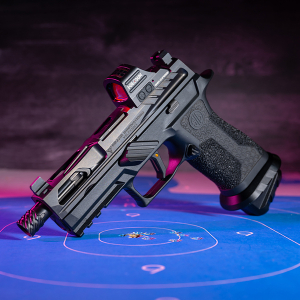
Dot bounce tells you how recoil energy is being managed. Ideally, the dot should lift slightly and return to center quickly. Excessive diagonal or erratic movement may indicate timing issues with recoil springs or ammo choice.
Use Slow-Motion Video
Recording your shooting in slow motion can reveal subtle changes in slide speed and dot behavior that are hard to see in real time. Look for faster dot return and reduced vertical travel.
Tuning Variables That Affect Comp Performance
A compensator works as part of a system. Recoil spring weight, ammo pressure, and slide mass all influence results. If testing shows inconsistent performance, small adjustments - such as changing spring weight - can dramatically improve outcomes.
Did you know?
Many shooters see their biggest gains not in raw split times, but in reduced dot travel - shorter dot movement often leads to better accuracy and confidence at speed.
Test Methodically to Know If Your Comp Works
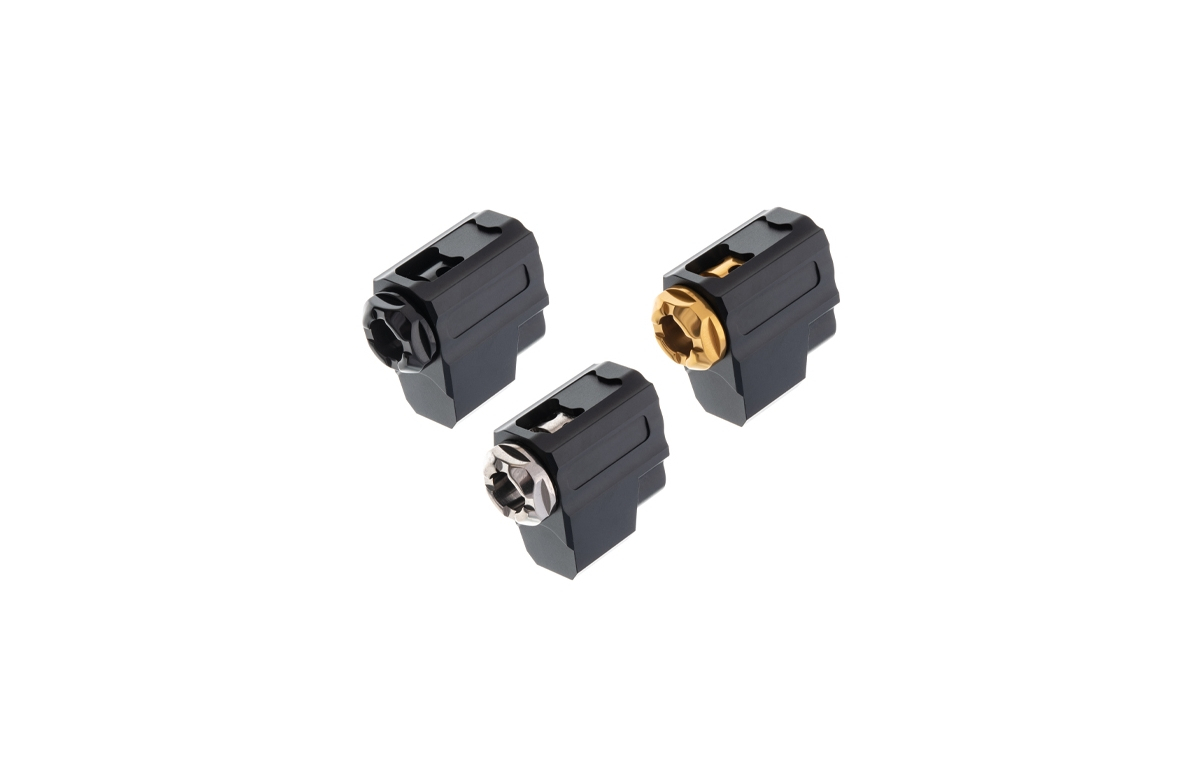
A compensator should make your pistol easier to shoot fast and accurately, not just feel different. By measuring recoil behavior, tracking split times, and observing dot movement, you can objectively determine whether a comp is improving performance - or needs further tuning. For precision-machined components designed to work as part of a balanced system, explore high-performance handgun compensators.
FAQs
1. How many rounds should I shoot when testing a compensator?
At least 100 rounds across multiple strings to account for fatigue and consistency.
2. Do slower split times always mean the comp isn’t working?
Not necessarily. Reduced dot bounce and improved accuracy can still be major gains.
3. Should I change recoil springs when adding a comp?
Often yes. Many setups benefit from lighter springs to maintain proper slide timing.
4. Is dot bounce always bad?
Some movement is normal. The goal is predictable, vertical movement with quick return.
5. Can grip technique affect comp testing?
Absolutely. Inconsistent grip pressure can mask or exaggerate the comp’s effect.