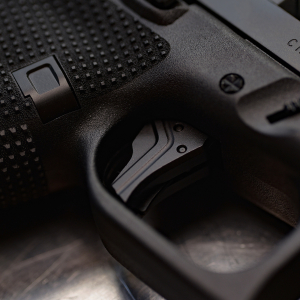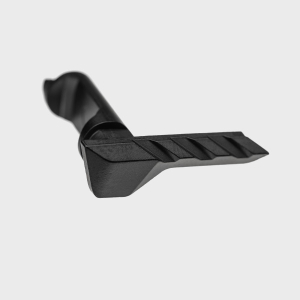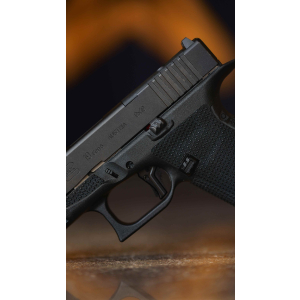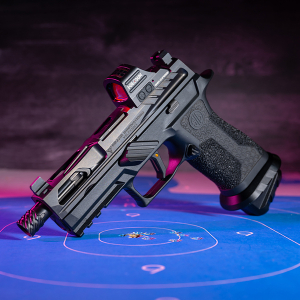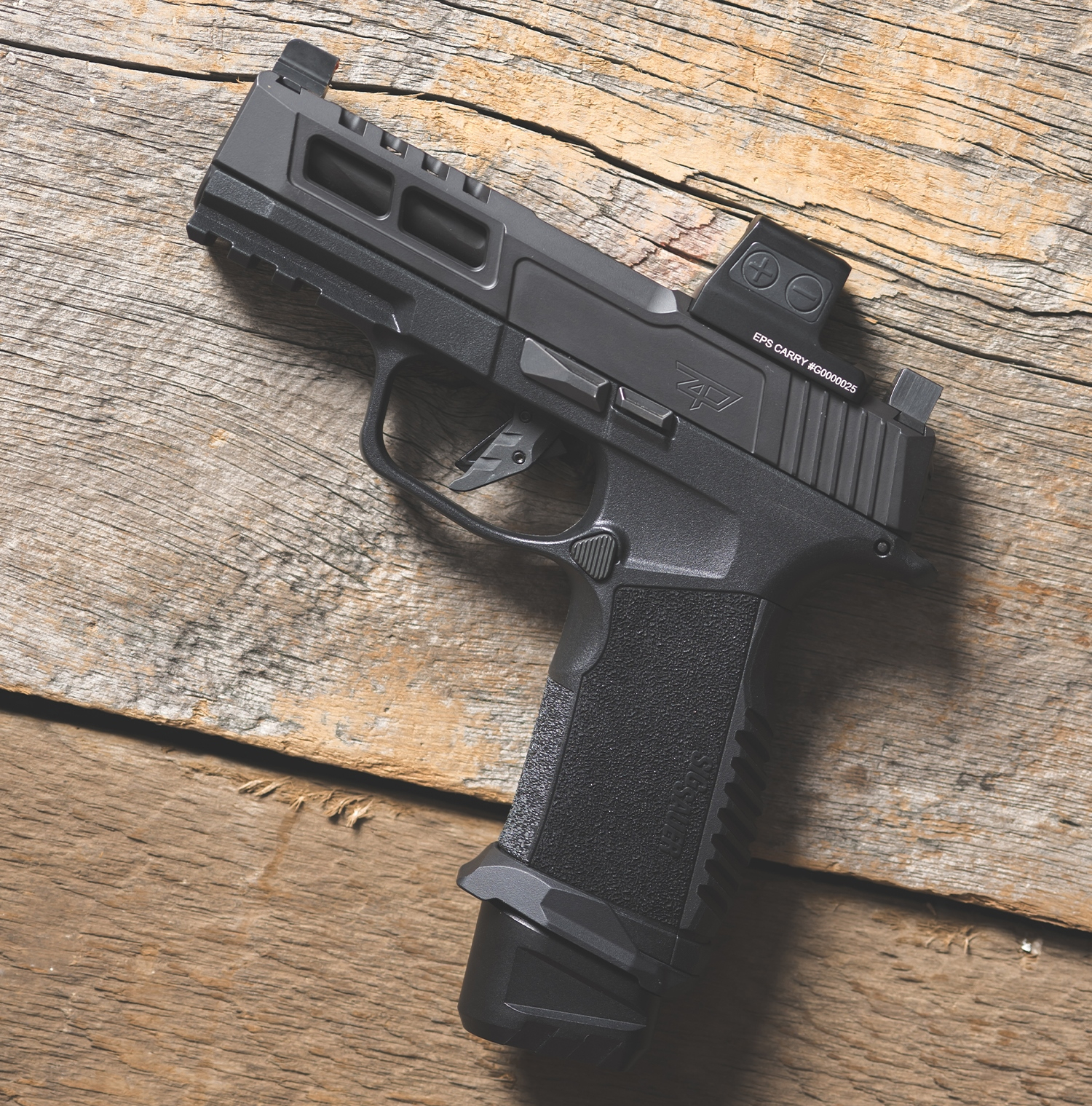
The trigger face is small, but its effect on control and follow-up speed is large -especially on compact carry pistols like the SIG P365 and P365XL. This guide compares flat and curved triggers from an engineering-first perspective: how each shape influences finger placement, perceived leverage, pull weight feel, and reset characteristics. Practical testing steps and tuning advice are included so you can pick a trigger that matches your carry posture and shooting goals.
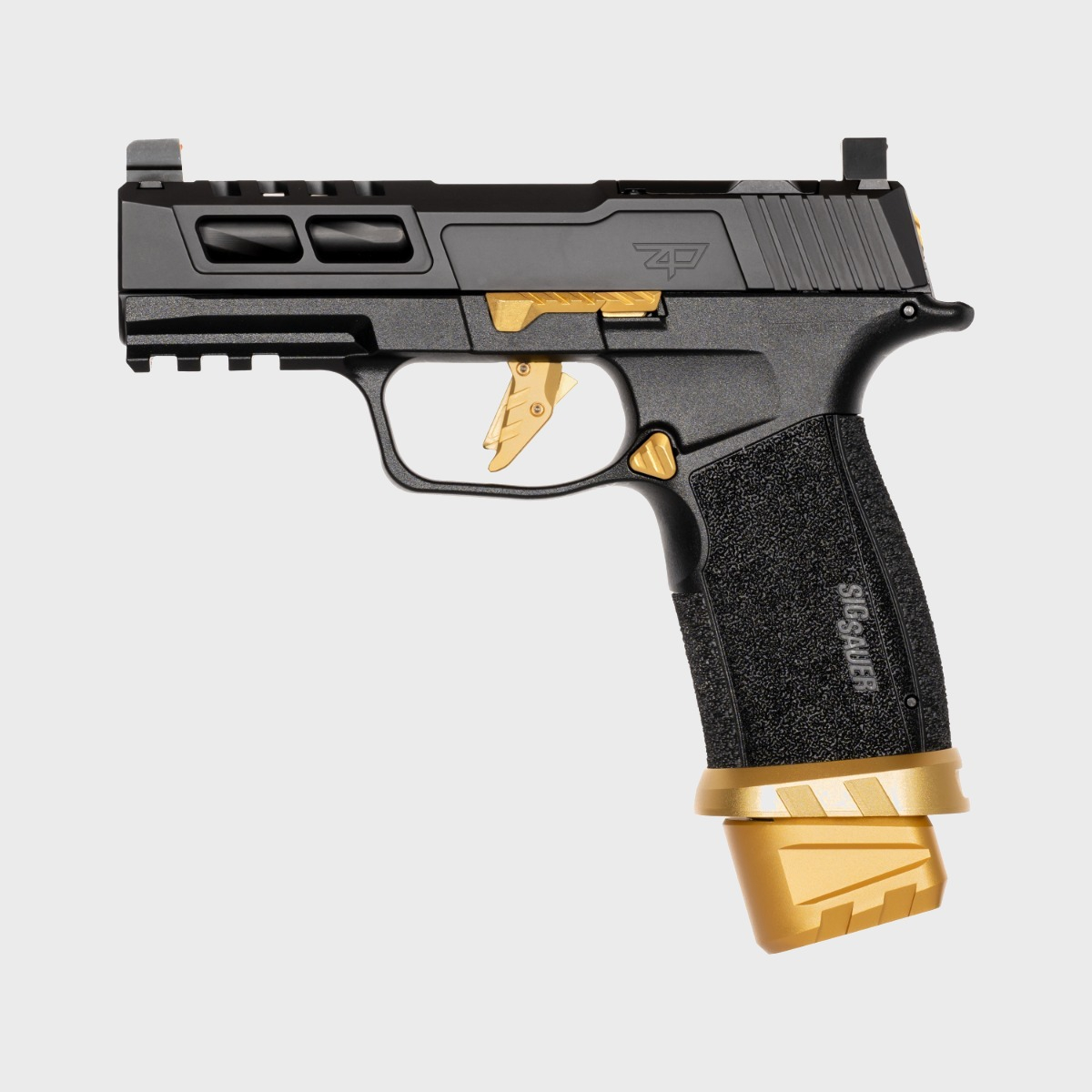
How trigger geometry changes control
Trigger face geometry primarily changes where the trigger finger contacts the shoe and how force is applied through the trigger pivot. On compact pistols with short trigger reach, small differences in contact point alter the effective leverage and perceived smoothness of the pull.
-
Curved triggers: Tend to center the pad of the finger over the face, offering intuitive placement for shooters used to traditional designs. They feel familiar and can aid accuracy for those who place the fingertip slightly forward on the shoe.
-
Flat triggers: increase surface contact with the pad of the finger, encouraging placing the finger closer to the first finger joint. That placement reduces perceived travel and can shorten reset feel, often translating to faster repeat shots for shooters who train that way.
Perceived pull weight vs actual pull weight
Geometry changes how the same mechanical pull weight feels in the hand. A flat face that encourages a more forward finger placement reduces the moment arm between the finger and the pivot; mechanically the trigger weight is unchanged, but the shooter perceives it as lighter and crisper. Conversely, a curved shoe that lets the finger sit slightly further back can make the pull feel heavier even if the scale says otherwise.
Reset - what really matters
Reset timing and tactile clarity depend more on trigger mechanism design (sear engagement, striker pre-load, and travel distances) than on face shape. However, face shape affects how quickly a shooter can re-apply pressure to reach reset:
-
If a flat shoe encourages pad placement at the first joint, many shooters find it easier to maintain consistent pressure and return to reset quickly.
-
Curved shoes can feel more forgiving on flinch and offer a natural ledge for a fingertip, which some shooters prefer for precision-oriented single shots.
Use-case guidance - match shape to mission
-
Everyday carry / defensive use: Flat triggers often win for rapid, disciplined follow-ups because they promote consistent pad placement and shorter perceived reset. If your primary goal is fast, confident defensive shots from concealment, a flat trigger is worth testing.
-
Precision / slower-fire practice: Curved triggers can aid natural finger centering and may feel more intuitive for deliberate accuracy work at the range.
-
P365 vs P365XL considerations: The P365XL’s longer grip and slightly different reach change how your finger meets the shoe - what feels optimal on a full-size or XL footprint may not translate directly to the micro frame. Test on the actual pistol and carry configuration you’ll use.
Installation & safety-first testing protocol
-
Confirm trigger part is specified for your pistol model and generation; mismatch can affect safety and function.
-
Install per manufacturer instructions or have a qualified armorer fit the part; check sear engagement and that safety systems function as intended.
-
Start with dry-fire repetitions (100-300 reps) using safe muzzle discipline to validate feel and reset - watch for slop, inconsistent reset, or unintended discharges.
-
Range test: 50-200 rounds using your carry ammo and holster to validate function under real conditions. Log any malfunctions or odd behavior immediately and revert to the factory part if problems arise.
Common myths and engineering truth
-
Myth: A flat trigger is always faster. Truth: It can be faster for many shooters, but only if it produces consistent finger placement and the trigger mechanism itself supports a short, tactile reset.
-
Myth: Curved triggers are only for precision. Truth: Curved shoes can be excellent for both precision and defensive use depending on your finger placement and training habits.
Did you know?
Small shifts in finger placement - often less than 5 mm - change perceived trigger feel more than a 1 lb change in measured pull weight. That’s why swapping trigger shoes without changing the mechanism can feel like a big upgrade: geometry changes how your finger leverages the sear force.
Conclusion - pick by testing, not by trend
There is no universal “best” when choosing between flat and curved triggers for the P365 or P365XL. The right choice depends on your finger anatomy, favored finger placement, mission profile, and how the trigger mechanism itself is tuned. Start with conservative, reversible changes, run structured dry-fire and live-fire tests, and favor the configuration that produces the most consistent placement and fastest, most reliable reset for you.
For compatible trigger shoes, parts, and match-fit components built with durability in mind, see our trigger component selection.
FAQs
1. Will changing the trigger shoe change my gun’s pull weight?
No - changing the shoe alone does not alter the mechanical pull weight. It changes perceived weight by altering leverage and contact point, which affects how heavy or light the pull feels.
2. Are flat triggers safer for new shooters?
Not inherently. Safety depends on training, trigger discipline, and a properly functioning trigger mechanism. Flat triggers can encourage a consistent pad placement that many find easier to train, but proper instruction and safe handling are essential.
3. Does a trigger shoe swap void warranty?
It can. Check your pistol manufacturer’s warranty terms. If warranty is a concern, use reversible shoes or consult the manufacturer/armorer before modifying.
4. How much dry-fire should I do after installing a new shoe?
Perform at least 100-300 controlled, safe dry-fire reps to learn placement and confirm reset. Follow with a progressive live-fire test (50-200 rounds) before trusting the setup for carry.
5. My finger keeps moving when I press - what should I change?
Try a shoe that increases surface contact (flat shoe) to encourage placement at the first finger joint, practice consistent grip pressure during dry-fire, and consider professional trigger fitment if movement persists.