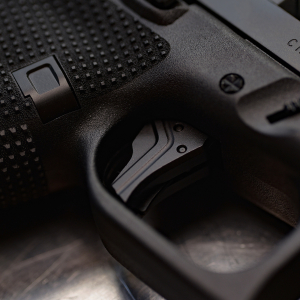
Extended magazine releases give the P365 faster, more positive magazine changes - especially when paired with gloves or high-adrenaline reloads. But added surface area and changed leverage also increase the chance of an unintended magazine release (a drop) when carrying or manipulating the pistol. This guide explains the engineering trade-offs behind release shape, throw, and placement, shows how to install and tune an extended release safely, and provides a step-by-step validation process so you get ride-along speed without surprise drops.
How geometry and mechanics drive behavior
An extended release changes two mechanical variables at once: (1) the contact area and (2) the effective moment arm between the pad of the thumb and the mag catch. Bigger pads reduce the precision required for a ride-along reload because your thumb can contact the button earlier and with less travel. But that same larger pad is easier to catch on holsters, clothing, or pouches, and a longer moment arm means less force at the catch is needed to release the magazine - raising accidental drop risk if the part, placement, or retention is not managed.
Design choices: low-profile vs. paddle vs. extended button
-
Low-profile extended button: Small surface bump added to the OEM button. Best compromise for carry - improves index with minimal snag potential.
-
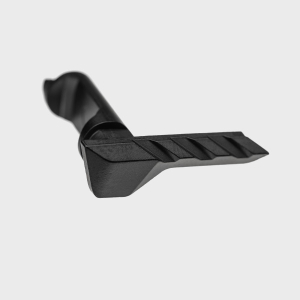
Paddle-style releases: Larger surface and often ambidextrous. Excellent for tactical ride-along techniques but higher snag and accidental release risk with loose clothing or tight holsters.
-
Lever or wing designs: Aggressive index and fast releases for competition; usually poor for everyday concealed carry unless paired with a holster cut for the part.
Installation & mechanical checks (do this first)
-
Confirm the release is specified for your P365 generation and frame material - mismatched parts change engagement depth and can damage the mag catch spring.
-
Install per vendor instructions, verifying the pad does not bind the slide or interfere with the trigger guard during cycling.
-
Check mag catch engagement: with an empty, unloaded magazine inserted, listen for a clean click and try a light lateral wiggle - acceptable play is minimal; excessive side-to-side movement indicates a fit issue.
-
Measure actuation force: compare the installed release to stock using a simple hand-press test. Note the relative reduction in force required to drop a magazine - this gives you a baseline for later checks.
Holster, carry, and clothing interactions
Most accidental drops happen during holstering, drawing, or when the pistol rubs against fabric while seated. Mitigations:
-
Use a holster explicitly cut for the extended release (or adjust Kydex mouth/molding). Off-the-shelf holsters can compress the button and release a mag during reholster.
-
Test with all carry garments: tucked shirts, coats, and seat belts - simulate everyday movement rather than just a mirror check.
-
Consider small inward bends or an undercut on the pad (if vendor offers) to reduce snag while keeping indexability.
Ride-along technique vs safety discipline
Ride-along reloads rely on maintaining lateral thumb pressure through the exchange so the mag only drops when intentionally indexed; that requires deliberate hand positioning and practice. For carry users who prefer passive retention, a modest low-profile pad or a short +1 baseplate may be the better trade.
Repeatable test protocol - validate before carry
-
Baseline runs: With the stock release, perform 20 dry ride-along drills and 20 live magazine changes. Time them and note any fumbling.
-
Install extended release: Repeat 20 dry drills and 20 live exchanges. Compare times and note successes and any accidental drops.
-
Holster trials: Insert and remove the pistol from your holster 50 times with the extended release installed. Do this with the clothing you normally wear - sit, stand, bend, and drive motions included.
-
Movement stress test: Simulate seat-belt contact, draw-from-car, and reaching actions. If a magazine drops during any routine motion, inspect the cause: holster cut, catch engagement, or pad geometry.
-
Retention & emergency check: With an inserted magazine and holstered pistol, try to dislodge the magazine with light lateral pressure applied to the body of the pistol to simulate accidental contact. If it releases easily, switch to a lower-profile pad or adjust holster retention.
Targeted fixes when accidental drops occur
-
Tighten mag catch or replace a worn catch spring if the magazine rolls out too easily under lateral loads.
-
Swap to a shorter pad or a model with a downward-angled lip to reduce snag while keeping indexability.
-
Modify holster mouth or choose a model cut for your extended part to prevent compression during reholstering.
-
Practice a controlled ride-along technique that keeps consistent thumb pressure until the magazine is supported by the hand - training reduces most accidental releases in the field.
Did you know?
Changing the effective moment arm of the mag release by as little as 4-6 mm can reduce required thumb force by 20-30% - that’s why small pads feel dramatically easier for ride-along reloads. The flip side: the same geometric change lowers the accidental-contact threshold by a similar percentage, so small design tweaks make a big difference in both directions.
Conclusion - choose the right profile for your mission
There’s no one-size-fits-all. If your priority is fastest possible reloads in competition or gloves, a larger paddle or wing may be the right choice. If daily concealed carry and minimizing surprise magazine drops are the goal, err toward low-profile extensions or minor pad bumps and pair them with holsters cut to the part. Always validate by the repeatable test protocol above, change only one variable at a time, and log outcomes. That disciplined approach gives you ride-along performance without compromising carry safety.
For compatible P365 parts and low-profile releases tested for carry use, see our SIG parts & upgrades page: SIG Sauer parts & upgrades.
FAQs
1. Will a small pad always prevent accidental drops?
No - holster fit and worn mag catch springs are major contributors. A small pad lowers risk but validates holster interaction and inspects the catch and spring condition.
2. How many dry draws/reholsters should I run after installing a new release?
Run at least 50 controlled dry draws and 50 reholsters with the clothing you normally wear, then 100 live-fire magazine changes in blocks. That exposes most holster and movement issues.
3. Can I adjust the mag catch to reduce accidental drops?
Some platforms allow minor mag catch tuning (spring replacement or slight shimming). Don’t over-tighten - ensure reliable intentional releases during reloads remain easy.
4. Is an ambidextrous paddle worse for carry?
Paddle designs increase exposed area and snag risk. If you need ambidextrous function, choose a model with a low profile or ensure your holster fully protects the release from lateral compression.
5. My extended release causes issues with my holster - what’s the quickest fix?
Try adding a thin leather or kydex spacer inside the holster mouth to prevent direct compression of the pad, or switch to a holster explicitly cut for your release profile. Both are fast, reversible fixes.