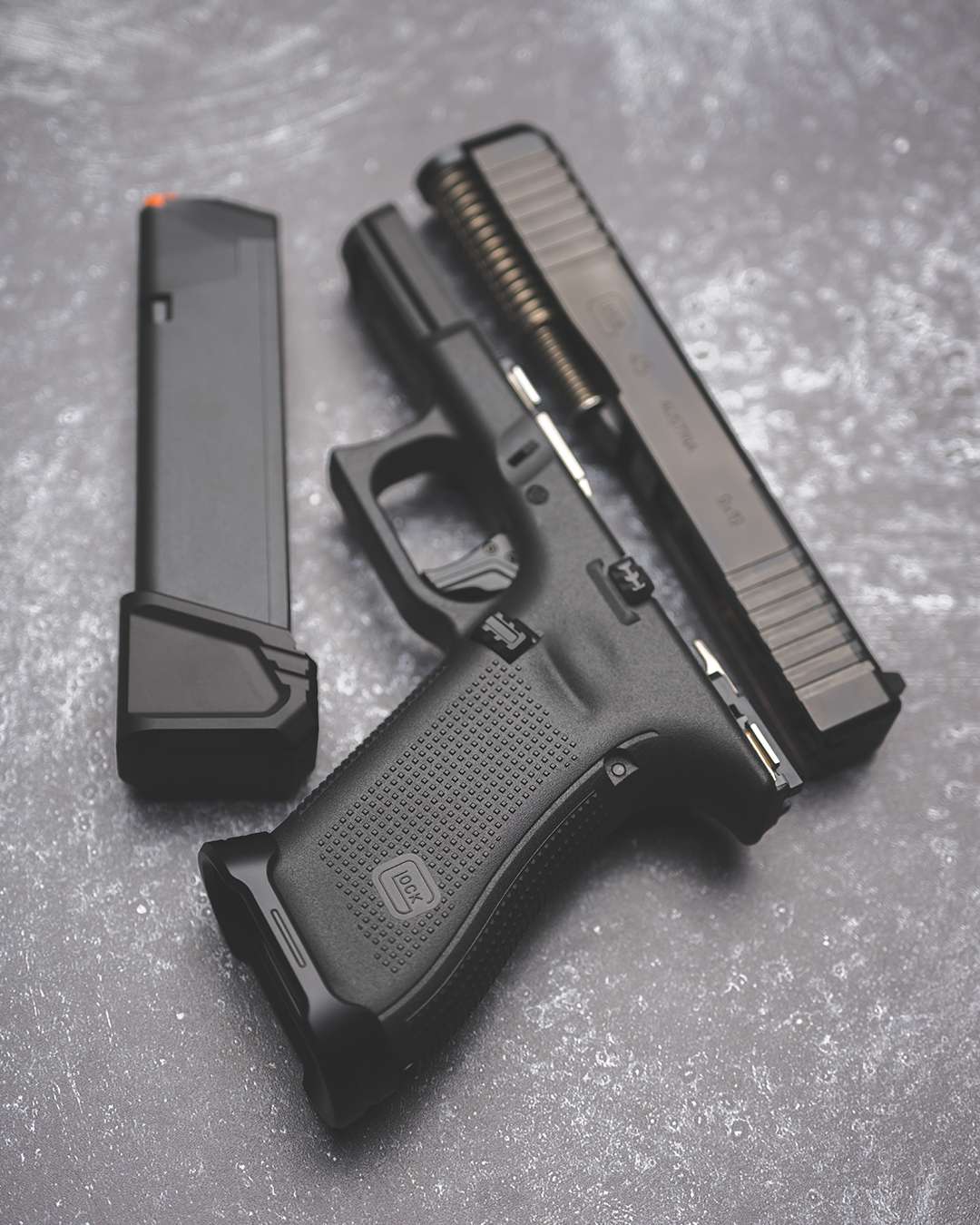
Choosing the right trigger module for your handgun is essential for achieving precise performance, whether you're using the firearm for competitive shooting, self-defense, or recreational purposes. The trigger is the most direct point of contact between the shooter and the firearm, and its performance can make a significant difference in your accuracy, speed, and overall shooting experience. In this guide, we’ll walk you through the key factors to consider when selecting the ideal trigger module for precise handgun performance.
Why the Right Trigger Module Matters
The trigger is one of the most crucial components in any firearm, and its performance directly impacts the shooter’s ability to control the weapon effectively. A high-quality trigger module can improve accuracy, reduce pull weight, minimize over-travel, and offer a smoother trigger press—all of which lead to better shot placement and quicker follow-up shots.
Here are some key benefits of upgrading your handgun trigger module:
-
Improved Accuracy: A precise trigger break ensures that the shot is taken exactly when you want it, reducing the chance of pulling shots off target.
-
Enhanced Control: A smooth, predictable trigger improves overall control of the handgun, particularly during rapid fire.
-
Faster Reset: A short reset allows for quicker follow-up shots, which is especially beneficial in competition or self-defense scenarios.
Factors to Consider When Choosing a Trigger Module
1. Trigger Pull Weight
One of the most important considerations when selecting a trigger module is the trigger pull weight. The weight refers to the amount of force required to pull the trigger and fire the handgun. The ideal pull weight varies depending on the shooter’s preference and the intended use of the firearm.
-
Light Trigger Pull: Lighter trigger pulls are often preferred by competitive shooters as they allow for faster, more accurate shots. A trigger pull weight of around 3-5 pounds is common for competition handguns.
-
Heavy Trigger Pull: A heavier trigger pull (around 7-10 pounds) is often used for defensive handguns, as it can prevent accidental discharges during stressful situations.
Tip: Select a trigger module that aligns with your shooting style. If you prefer precision shooting, opt for a lighter pull. For self-defense, a slightly heavier pull may offer more control.
2. Trigger Reset
The trigger reset is the distance the trigger must return after firing before it can be pulled again. A short reset allows for quicker follow-up shots, which is critical in competitive shooting or tactical scenarios.
-
Short Reset: Ideal for those who need fast follow-up shots, such as competition shooters or tactical operators.
-
Long Reset: A longer reset is typically found on stock triggers and can be less efficient for rapid shooting.
Tip: Choose a trigger module with a short reset if you need quick, responsive follow-up shots. For defensive use, you may not require an ultra-short reset but rather a balance between safety and performance.
3. Trigger Design and Shape
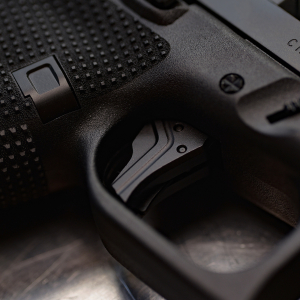
The shape and design of the trigger itself can greatly impact comfort and control. The right trigger module will feel natural to your finger and provide a smooth, consistent pull.
-
Flat Triggers: Provide a consistent pull across the entire finger surface, offering better control for shooters who prefer a more uniform, predictable pull.
-
Curved Triggers: Traditional curved triggers are often preferred by those who like a more ergonomic feel and find it easier to keep their finger in a natural, relaxed position.
-
Straight Triggers: Increasingly popular for precision shooters, straight triggers provide a consistent and direct pull from start to finish, improving overall control.
Tip: If you’re unsure which shape suits you, try out both flat and curved triggers to determine which one provides the most comfortable and controlled shooting experience.
4. Trigger Module Material
The material used in the trigger module affects its durability, weight, and overall feel. Common materials for trigger modules include aluminum, steel, and polymer.
-
Aluminum Triggers: Known for their lightweight nature and durability, aluminum triggers are a popular choice for competitive shooting.
-
Steel Triggers: Provide increased durability and strength, making them ideal for those who prioritize longevity and consistent performance.
-
Polymer Triggers: Lighter than steel, polymer triggers are often used in more affordable handgun models and provide a balance between durability and weight.
Tip: Choose a material that suits your shooting style. Aluminum is excellent for competition, while steel is ideal for high-durability, defensive use.
5. Overtravel and Pre-Travel
Overtravel refers to how far the trigger moves after firing, while pre-travel is the distance the trigger moves before it breaks. Reducing overtravel and pre-travel can improve trigger performance by ensuring a clean and predictable break.
-
Minimal Pre-Travel: A shorter pre-travel ensures that the trigger will break more quickly, which is crucial for competitive shooters.
-
Minimal Overtravel: Reducing overtravel minimizes the chance of accidental shots and increases control over the rifle.
Tip: Choose a trigger module that offers adjustable pre-travel and overtravel if you need to fine-tune your trigger for optimal performance.
Did you know?
A trigger with reduced pre-travel and overtravel can reduce the time it takes to fire a second shot by up to 50%, making it ideal for competition shooting.
Types of Handgun Trigger Modules
1. Drop-In Triggers
Drop-in triggers are easy to install and typically come with a fully assembled trigger group. These are perfect for shooters who want to upgrade their trigger without professional gunsmithing.
-
Benefits: Easy installation, typically offers improved trigger performance, and available for a variety of handgun models.
-
Drawbacks: May not provide the level of customization available with other types of trigger modules.
2. Custom Trigger Kits
Custom trigger kits allow for a higher level of customization. These kits typically require professional installation but offer more adjustments, such as pull weight, pre-travel, and reset.
-
Benefits: Highly customizable and provides a tailored shooting experience.
-
Drawbacks: More complex installation, often requiring gunsmithing expertise.
Conclusion: Choose the Right Trigger Module for Your Handgun
Selecting the ideal trigger module for precise handgun performance involves evaluating your needs and preferences. Whether you’re looking for a lighter pull for competition shooting or a more durable and reliable setup for self-defense, choosing the right trigger module can improve your accuracy, speed, and overall control. Consider the pull weight, reset, design, and material to ensure you select a trigger module that fits your shooting style.
For high-quality, precision-engineered trigger modules, explore our selection of handgun upgrades.
FAQs
1. How do I know which trigger module is best for my handgun?
It depends on your shooting style and intended use. If you’re a competitive shooter, a lighter pull with a short reset may be ideal. For self-defense, a slightly heavier pull with a reliable reset might be better.
2. Can I install a new trigger module myself?
Yes, drop-in triggers can typically be installed by anyone with basic firearm maintenance knowledge. For more advanced trigger modules, professional gunsmithing may be required.
3. How does a flat trigger differ from a curved one?
Flat triggers provide a more consistent pull across the entire finger surface, while curved triggers are often preferred for ergonomic comfort.
4. Will upgrading my trigger module improve my accuracy?
Yes, upgrading to a high-quality trigger module can reduce the likelihood of jerking the trigger, improving overall accuracy and consistency.
5. Is it worth investing in a custom trigger kit?
If you need specific adjustments or want a tailored trigger experience, a custom trigger kit may be worth the investment. It allows you to fine-tune the trigger to your exact preferences.