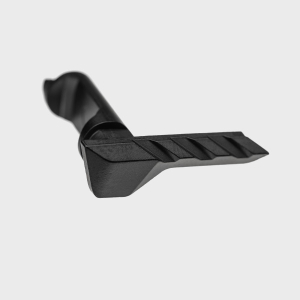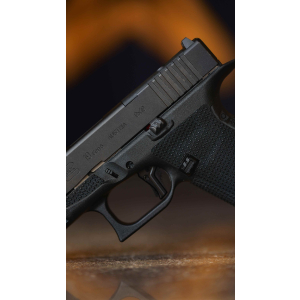
Anodized coatings on firearms, like those on the Glock 19 or AR-15, offer excellent durability, corrosion resistance, and a sleek, matte finish. However, one of the most common myths in firearm maintenance is that anodized surfaces are impervious to scratches. While anodizing significantly enhances the surface hardness of parts, it’s still susceptible to wear and tear under the wrong conditions. In this article, we’ll explore common finish care myths and the actual causes of scratches on anodized firearm components.
Understanding Anodized Coatings
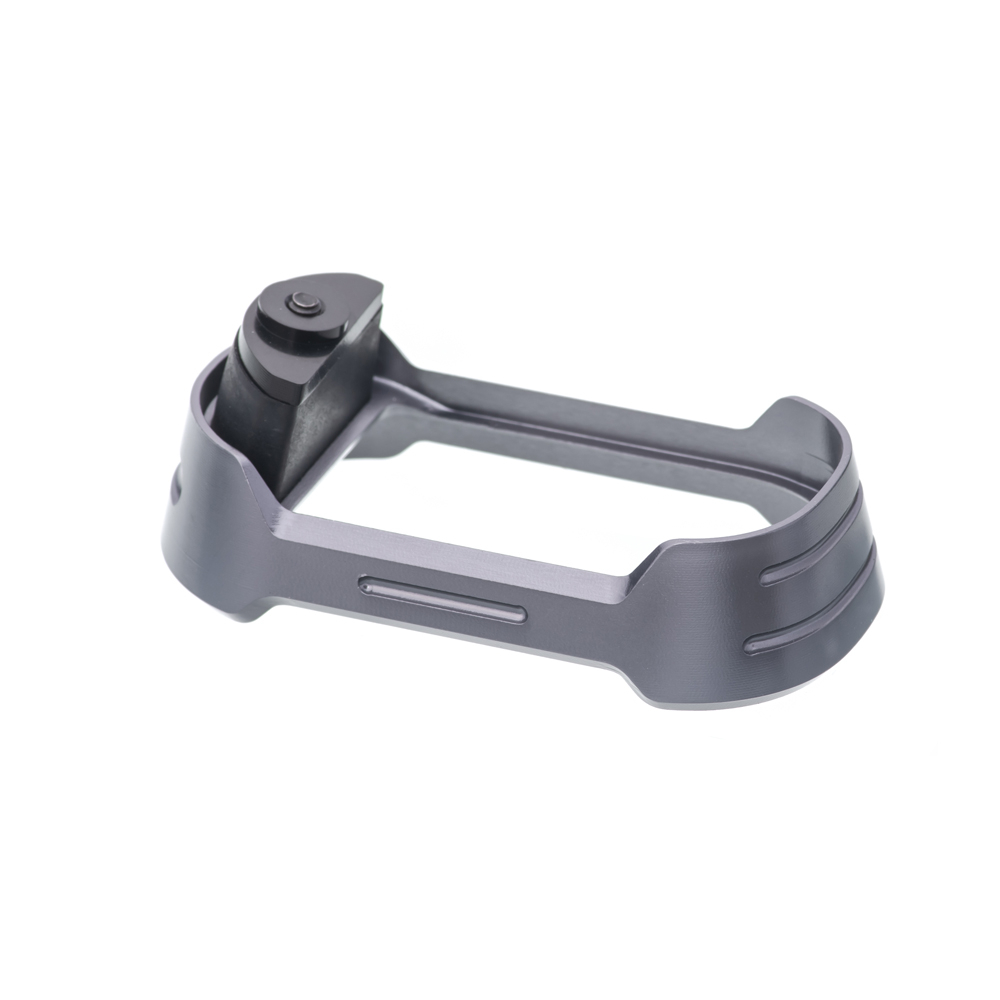
Anodizing is an electrochemical process that creates a protective oxide layer on the surface of metal parts. For firearms, it’s typically applied to aluminum components such as the frame, trigger guards, and magazine wells. The process makes the surface harder and more resistant to corrosion, but it's important to understand that while anodized coatings are tough, they are not entirely scratch-proof.
Myth #1: Anodized Surfaces Are Scratch-Proof
The biggest misconception about anodized coatings is that they are completely scratch-resistant. While anodized surfaces are much harder than untreated aluminum, they are still vulnerable to scratching under the right conditions. Factors such as the pressure applied, the type of abrasive material, and how the firearm is used all contribute to the potential for scratches.
What Actually Scratches Anodized Surfaces?
-
Hard, Abrasive Materials: Materials like steel or sand can easily scratch anodized surfaces. When exposed to these abrasives, especially in harsh environments like gravel or concrete, even a tough anodized coating can show signs of wear.
-
Excessive Pressure: Applying too much pressure while cleaning or using an abrasive cloth can cause microscopic scratches on the surface.
-
Contact with Other Hard Surfaces: Rough materials or tools rubbing against the anodized coating, such as a holster with an abrasive interior or other hard components, can lead to finish damage.
-
Improper Cleaning Tools: Using steel brushes or rough sponges can leave permanent scratches. Always opt for soft microfiber cloths to avoid damaging the finish.
Myth #2: Only External Scratches Matter
Another common myth is that scratches are only a concern for the outermost surfaces, such as the frame or slide. In reality, scratches on anodized surfaces, even on areas that seem out of view, can affect both the function and longevity of the firearm. For instance, scratches on the magazine well or internal trigger housing could affect smooth magazine insertion or trigger movement.
Myth #3: You Can’t Prevent Scratching Anodized Surfaces
While it’s true that anodized surfaces are more susceptible to scratching than other finishes, there are steps you can take to minimize the risk:
-
Use Proper Storage: Store your firearm in a soft, padded case or holster to avoid unnecessary contact with abrasive surfaces.
-
Clean Gently: Use only soft cleaning tools like microfiber cloths or brushes designed specifically for firearms. Never scrub the anodized surface with harsh materials.
-
Avoid Unnecessary Contact: Be mindful of how your firearm interacts with other objects. For example, keeping your gun in a safe or bag with soft lining will prevent it from rubbing against other hard items that could cause damage.
Myth #4: All Anodized Parts Are Equal
Not all anodized finishes are created equal. The thickness of the anodized coating varies between manufacturers, and some may be more durable than others. Typically, military-spec anodizing (MIL-A-8625) provides the most resilient coating for firearms, while non-military anodized finishes may not be as robust.
Did you know?
The wear and tear you see on your anodized firearm parts might not be scratches at all. In many cases, it’s the buildup of oils, dust, and carbon deposits that can give the appearance of a scratched finish. Proper cleaning can restore the look without damaging the anodized layer.
Conclusion: Take Care of Your Anodized Parts for Longevity
While anodized coatings are tougher than raw aluminum, they are not impervious to scratches. Understanding what causes damage and how to avoid it can significantly prolong the life of your firearm’s finish. Regular maintenance, proper storage, and using the right cleaning tools can help keep your anodized surfaces looking pristine and functional.
For precision-engineered components and durable anodized parts, check out our full range of high-performance firearm upgrades at Tyrant CNC Handgun Upgrades.
FAQs
1. Can anodized finishes be repaired if scratched?
Yes, scratches on anodized surfaces can often be repaired using specialized touch-up products designed for firearms, but deeper scratches may require professional refinishing.
2. How do I clean anodized surfaces without scratching them?
Use a soft microfiber cloth or a cleaning brush designed for firearms to gently clean the surface. Avoid using abrasive materials like steel wool or harsh sponges.
3. Does the type of anodized coating affect its scratch resistance?
Yes, thicker anodized coatings tend to be more scratch-resistant. Military-grade anodizing (MIL-A-8625) is usually more durable than standard anodized finishes.
4. Can anodized parts be damaged by exposure to harsh chemicals?
Yes, strong chemicals or solvents can strip the anodized layer, leading to surface damage. Always use firearm-safe cleaners to preserve the finish.
5. What is the best way to store my firearm to prevent anodized scratches?
Store your firearm in a padded, soft case or holster to prevent direct contact with abrasive surfaces. Make sure your storage location is dry and free of dust or dirt.