Choosing the right pistol holster for everyday carry (EDC) is a critical decision for any gun owner. A holster not only ensures the safe storage and accessibility of your firearm, but it also plays a key role in comfort, concealability, and the speed of your draw. Understanding the essential aspects of fit, concealment, and retention will help you make an informed choice.
Why Is Choosing the Right Holster Important?
For those who carry concealed, a good holster ensures that your firearm is secure, comfortable, and easily accessible. A holster that doesn’t fit well can create discomfort and potentially hinder your ability to react quickly in a critical situation. Understanding what to look for in terms of fit, concealment, and retention will help you choose a holster that meets your specific needs.
Key Features to Consider in a Holster
1. Fit: Ensuring Proper Firearm Fit and Comfort
A holster’s fit refers to how well it holds and secures the firearm. You need a holster that holds the pistol snugly yet allows for a smooth draw when needed. Key factors to consider regarding fit include:
-
Firearm Type: Ensure the holster is designed specifically for your pistol model. A holster that fits your pistol perfectly will be more secure and comfortable.
-
Retention Fit: Holsters come with different retention methods, such as friction-based, button or lever release, or locking mechanisms. Consider the level of retention you need based on your use.
-
Comfort and Placement: A holster should be comfortable for long periods of carry. The location of the holster (IWB, OWB, shoulder, appendix) plays a significant role in comfort. Appendix carry (AIWB) often offers the most accessible draw, but may be less comfortable for some users.
2. Concealment: How Well Does It Hide Your Firearm?
Concealment is one of the top concerns for everyday carry. A good holster allows you to carry your firearm in a way that is discreet and doesn’t print through your clothing. The goal is to carry securely while maintaining a low profile.
-
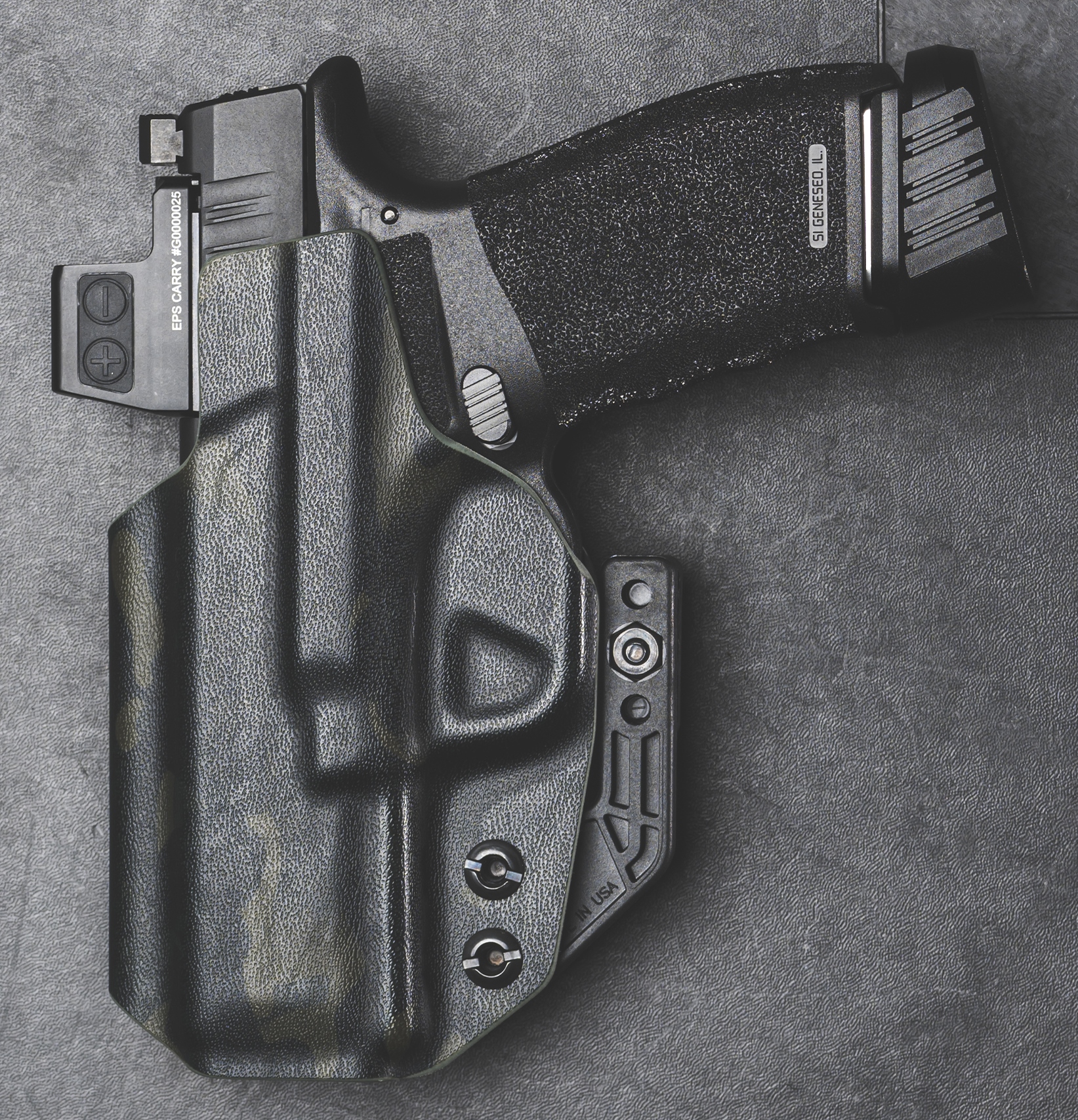
Holster Material: Some materials, such as Kydex or leather, offer better rigidity for concealment, ensuring the firearm stays in place. Soft materials may sag or shift, which could cause printing (visible outlines of your firearm through clothing).
-
Holster Style: IWB (inside the waistband) holsters are the most common for concealed carry because they sit within your waistband, keeping the firearm tucked away. OWB (outside the waistband) holsters can be worn with a cover garment, but are often less discreet.
-
Clothing Considerations: The choice of clothing also affects how concealed your firearm is. Holsters designed for IWB use work best when paired with a good cover garment like a loose shirt or jacket that doesn’t cling to your body.
3. Retention: Keeping Your Firearm Secure
Retention refers to the ability of the holster to keep your firearm securely in place during movement, while still allowing for a quick draw when needed. Depending on your situation and the level of security you want, you may opt for:
-
Passive Retention: This is the most common form, relying on the tension between the holster and firearm. This style doesn’t have extra features such as buttons or straps and is ideal for quick access.
-
Active Retention: Holsters with active retention features typically have a thumb break, snap, or locking mechanism that must be disengaged to draw the firearm. These holsters are typically used for open carry or tactical situations where additional security is needed.
-
Level of Retention: Depending on your needs, holsters come with different levels of retention, such as Level 1 (basic retention) and Level 2 or 3 (more secure with added features like thumb releases). If you’re using your holster for daily carry, Level 1 or 2 retention may be sufficient, while tactical environments may require a higher level.
Choosing Between IWB, OWB, or Other Carry Methods
-
IWB (Inside the Waistband): This style of holster tucks inside your waistband and is great for concealed carry. It offers good concealment but may not be as comfortable for long periods of wear if not positioned correctly.
-
OWB (Outside the Waistband): This is often used for open carry and offers easy access to your firearm. However, it’s more difficult to conceal compared to IWB.
-
Appendix Carry (AIWB): This is a popular option for concealed carry, allowing quick access to the firearm. However, this carry method can be uncomfortable, especially for those who spend a lot of time sitting.
-
Shoulder Holsters: Ideal for carrying larger firearms or when needing to carry for long hours, shoulder holsters provide comfort and concealment, but they can be less accessible compared to other carry positions.
Did you know?
Choosing a holster that fits your firearm perfectly can improve both comfort and draw speed. A snug, well-fitting holster also reduces the risk of your firearm shifting or printing under your clothes, making it ideal for everyday carry.
Conclusion: The Best Holster for Your EDC Needs
Choosing the right holster for your everyday carry involves understanding your personal comfort, security preferences, and concealment needs. A high-quality holster will allow for quick access to your firearm while keeping it securely in place. Whether you prefer IWB or OWB, having the right fit and retention level is essential for effective concealed carry.
For more information on holsters, check out our EDC Gear Collection.
FAQs
1. What is the best holster for concealed carry?
The best holster for concealed carry largely depends on your preferences. IWB holsters like the ones offered by Vertx are popular for their comfort and concealability, while OWB holsters are better suited for open carry.
2. What is the difference between passive and active retention?
Passive retention relies on friction to hold the firearm in place, while active retention involves mechanisms like thumb breaks or straps that must be disengaged before drawing the firearm.
3. How do I know which holster style to choose?
It depends on how you plan to carry. IWB holsters are great for concealed carry, while OWB is ideal for open carry. Appendix carry offers quick access but may be uncomfortable for some people.
4. Can I use the same holster for multiple firearms?
While some holsters are adjustable for different firearms, it’s best to use a holster specifically designed for each firearm to ensure optimal fit, retention, and safety.
5. Are leather holsters better than Kydex?
Both leather and Kydex holsters have their advantages. Leather holsters are comfortable and mold to your body over time, while Kydex holsters are more durable, offer quicker draws, and are easier to maintain.