Tactical games are the competitive side of practical shooting. They test speed, accuracy, movement, and decision-making under stress. Events range from short, timer-driven stages to long precision courses that blend marksmanship and fieldcraft. If you’re curious about getting on the line, this guide explains the major events, the common divisions you’ll see, how scoring works, and a realistic plan to get started.
Quick look: the major event types
Not all matches are the same. Here are the formats you’ll encounter most often:
-
USPSA / IPSC (Action Pistol) - Stage-based courses mixing movement, shooting angles, and target arrays. Emphasizes speed and accuracy. Scoring is hit factor (points ÷ time).
-
IDPA - Designed to simulate self‑defense scenarios. Emphasizes cover, concealment, and practical rules for everyday carry. Timed-plus-penalty scoring.
-
3‑Gun / Multi‑Gun - Courses require rifle, shotgun, and pistol. Transitions and gear management are part of the game.
-
Steel Challenge - Pure speed on steel targets. Five standardized stages test draw, transition, and split times.
-
PRS / Precision Rifle Series - Long-range, position-based courses. Scoring is hit-or-miss or time-based with greater emphasis on wind calls and ballistics.
-
Night Matches & Practical Precision - Variants that add lights, time limits, or mixed targets to increase complexity.
Common divisions and what they mean
Divisions group similar equipment so competitors face fair matchups. Here are the typical firearm divisions you’ll see:
-
Production / Stock Pistol - Minimal modifications allowed. The aim: put a practical, out-of-the-box pistol to work.
-
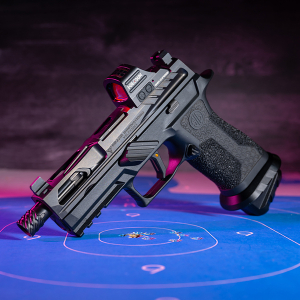
Carry Optics / Optics - Slide-mounted red dots or small optics are permitted; often favors fast sight acquisition.
-
Limited / Enhanced - Allows more modifications: extended controls, porting, competition sights, but usually no open optics or compensators.
-
Open - The “go-fast” division: optics, compensators, and wide power factors are common. Speed rules here.
-
Pistol Caliber Carbine (PCC) - Rifle-length platforms that shoot pistol calibers. Growing fast in popularity for 3‑Gun and action matches.
-
Rifle / Standard / Tactical - For 3‑Gun and PRS: classes vary by optic, allowed mods, and magazine capacity.
How scoring and classification work
Scoring systems differ by sport:
-
USPSA/IPSC: Hit factor scoring (stage points ÷ stage time). Higher hit factors win.
-
IDPA: Time plus penalty system. Procedural or failure-to-engage errors add seconds.
-
Steel Challenge: Sum of stage times; lowest time wins.
-
PRS: Points or time applied to a grid of targets; consistency and long-range hits score highest.
Many organizations use classification systems (A/B/C/D) so you can track progress and enter matches at the right level.
How to get started - a realistic roadmap
-
Pick one discipline to start. Don’t try to do everything. Action pistol or Steel Challenge are great first steps for handgun shooters; 3‑Gun is more gear‑intensive.
-
Find a local club or match. Attend as a spectator first. Watch walk-throughs and safety briefings. Most clubs are welcoming and will pair beginners with mentors.
-
Start with safe, practical gear. A reliable handgun, three magazines, a practical holster, sturdy belt, and eye/ear protection are enough for initial matches. Don’t over‑gear your first event.
-
Learn the rules and walk the stage. Rule knowledge prevents penalties. Walk-throughs show the shooting order, cover, and target priorities.
-
Train fundamentals. Dry practice: draw, reloads, malfunction drills, and transitions. Live-fire: controlled strings focusing on accuracy under time.
-
Run a classifier or a small club match. Classifiers are short stages that assign you a skill rating - valuable for tracking progress.
-
Debrief and iterate. After each match, note what worked, what didn’t (ammo, magazines, holster), and make small, deliberate gear or drill changes.
Gear checklist for your first three matches
-
Reliable pistol or rifle with a visible sighting system
-
2–4 magazines per platform, good pouches
-
Sturdy belt and a secure holster (Kydex IWB/OWB depending on match)
-
Eye & ear protection, gloves, hat
-
Ammo per match rules (bring more than you expect to use)
-
Notebook for stage notes and results
Common beginner mistakes (and how to avoid them)
-
Rushing rule study: Learn penalties before you run fast.
-
Under‑practiced reloads: Practice smooth reloads under time pressure - magazine changes win matches.
-
Poor holster fitment: A loose holster costs time and safety. Test draw and reholster before match day.
-
Overcomplicating gear: Start simple. Complex setups add failure points.
Did you know?
Many top practical shooters began by volunteering at local matches. Working timers, setting targets, or spotting teaches stage design and the rules faster than watching videos. It’s also the fastest way to get on the line with coaching and mentorship.
Conclusion: Start small, train smart, progress fast
Tactical games reward consistent fundamentals and smart gear choices. Pick one discipline, learn the rules, train dry and live, and lean on local community resources. Matches are the most efficient feedback loop you’ll find - use them to refine skills, not to show off gear. When you’re ready to upgrade kit for speed or comfort, choose components that improve function first and aesthetics second.
Find match-ready EDC & range gear in our collections to keep your setup reliable and stylish.
FAQs
1. Which tactical game is best for absolute beginners?
Steel Challenge and local club USPSA classifiers are beginner-friendly. They teach draw speed, sight transitions, and stage workflow without heavy rule complexity.
2. Do I need a red-dot optic to be competitive?
No. Many divisions reward stock or production pistols. Red dots help on speed and target acquisition but aren’t mandatory for starting out.
3. How much ammo will I need for a single match?
Small local matches may require 100–200 rounds total; larger matches or 3‑Gun can require 500+. Bring more than the stated minimum - matches run long and you’ll practice between stages.
4. Will competing void my firearm warranty or affect legal carry status?
Normal competition use doesn’t void most warranties. Always keep your firearm inspected and document changes. Legal carry status depends on local laws - competition does not change that.
5. How do I find mentorship and coaching?
Show up early to local matches, volunteer, and ask experienced shooters for stage walkthroughs. Many clubs host certified coaches and offer beginner clinics - use them.