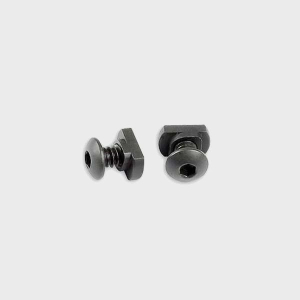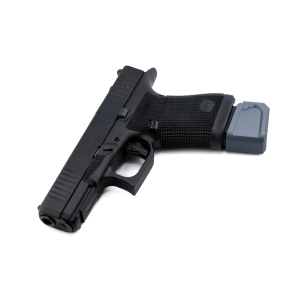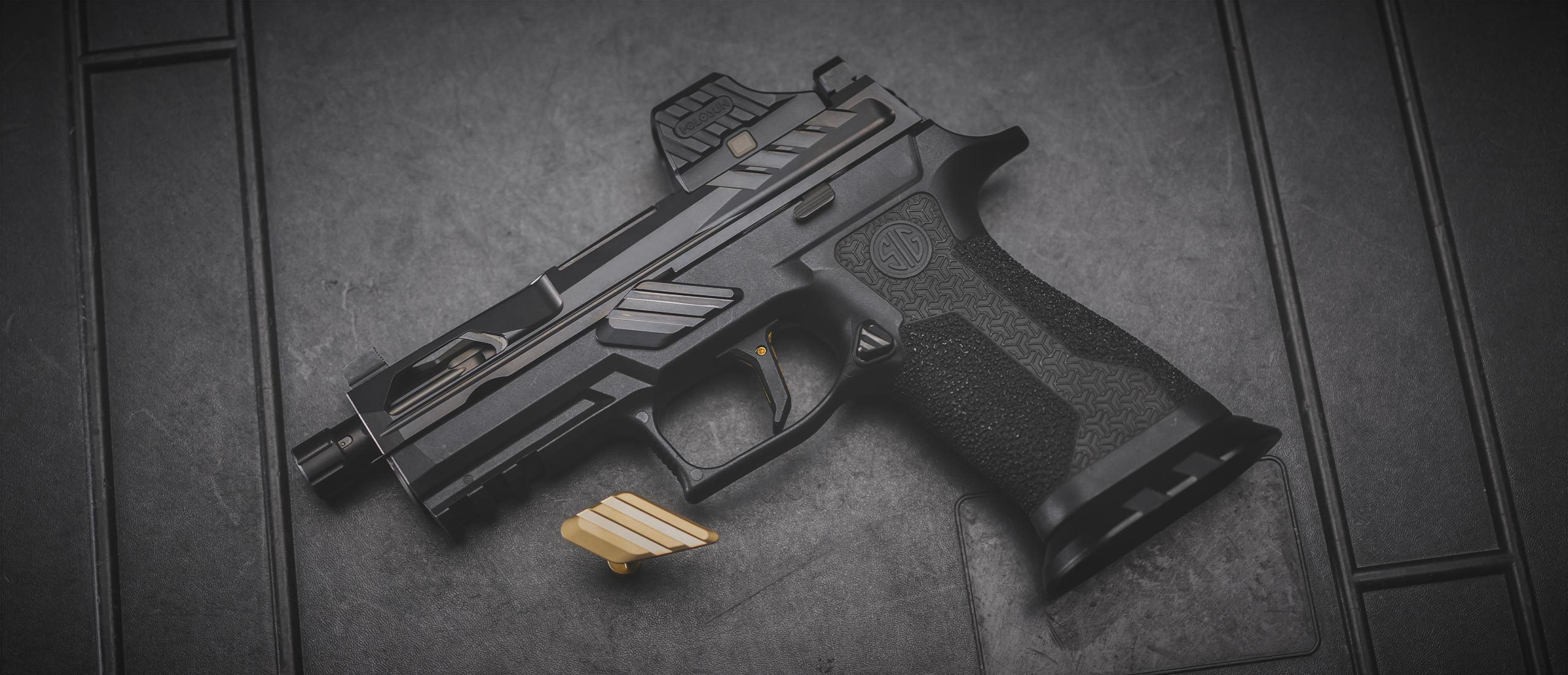
When you're tightening screws on optic plates, mag releases, compensators, or slide-mounted hardware, the right threadlocker can mean the difference between a part staying secure or backing out at the worst possible moment. The challenge is knowing which product belongs where - because different formulas are designed for different torque loads, shock forces, and vibration levels.
Threadlocker 222: Best for Small Screws and Low-Torque Hardware
Threadlocker 222 (purple) is the lowest-strength formula commonly used in firearms. It’s perfect for screws that need occasional removal and components that can crack or strip if overtightened.
Where 222 Works Best
-
Optic plate mounting screws
-
Trigger shoes
-
Red dot mounting hardware
-
Small slide cover plate screws
Why Choose 222
-
Prevents vibration walkout
-
Removable with basic tools
-
Won’t seize or shear micro screws
Threadlocker 242: The Standard for Mid-Strength Firearm Applications
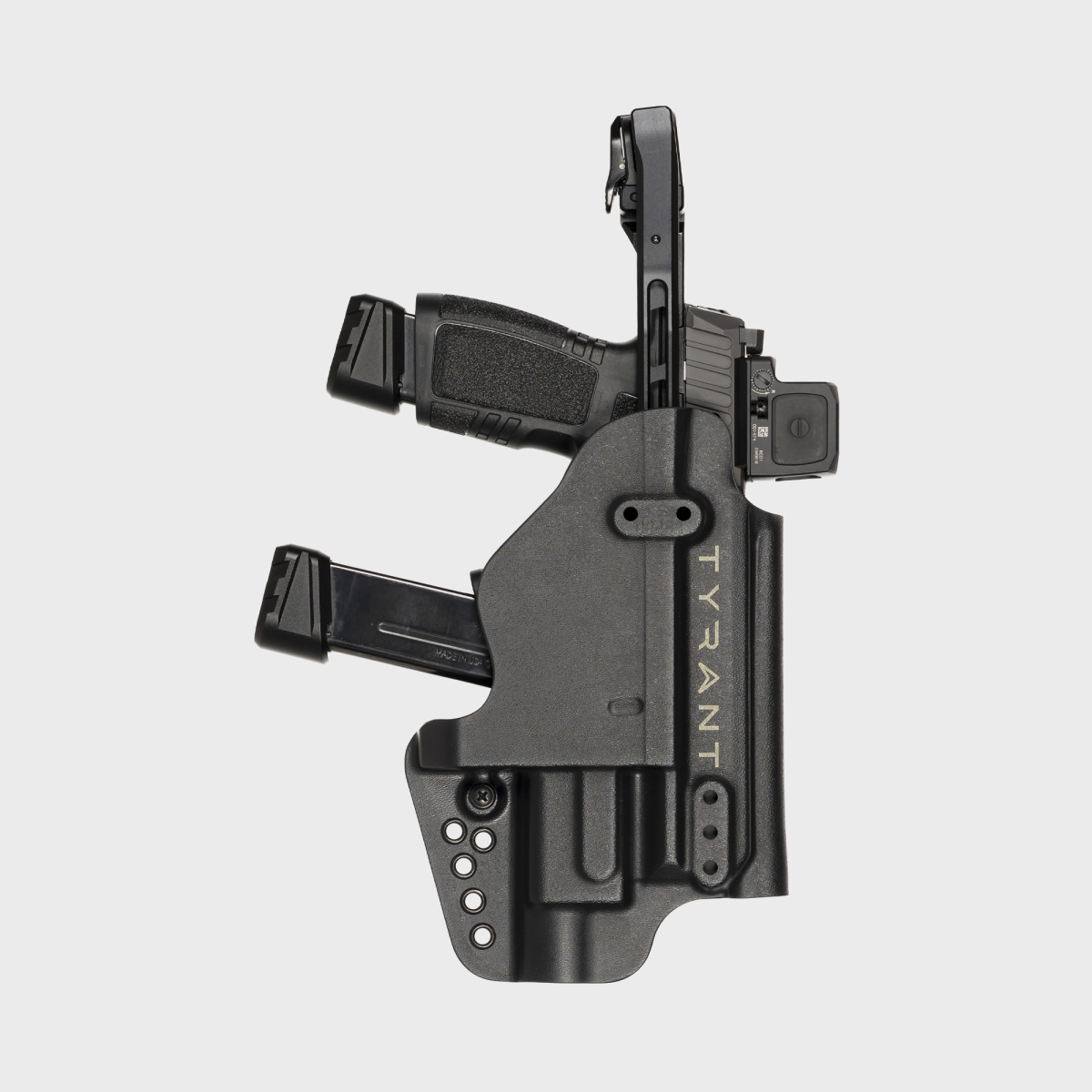
Threadlocker 242 (blue) is the do-everything formula for pistol components and AR parts. It’s the sweet spot between secure and removable, especially for screws that see repeated recoil impulse.
Best Uses for 242
-
Magazine release assemblies
-
Compensator mounting screws
-
Threaded barrel attachments
-
Accessory rails and grip screws
Why 242 is Popular
-
Provides strong vibration resistance
-
Still removable with heat or basic tools
-
Ideal for moderate torque values
Threadlocker 243: The Heavy-Duty Upgrade for Hard Use Pistols
Threadlocker 243 is similar to 242, but works better on “less-than-clean” surfaces. It bonds more reliably when oil, carbon, or lubricant residue is present.
Most Common Applications
-
Compensator hardware on EDC pistols
-
Slide-mounted accessories
-
Parts exposed to carbon and heat cycling
-
Magwell and basepad screws
When to Use 243 Instead
-
If you want added vibration resistance
-
If the gun sees heavy training or high-round count
-
If you cannot perfectly degrease every thread
Did you know?
Most screw failures aren’t from lack of threadlocker - they come from over-tightening. Correct torque plus the correct formula is what actually keeps screws from walking loose.
Choosing the Right Threadlocker for Your Build
222 is perfect for small optic and micro hardware, 242 handles most pistol applications, and 243 gives added security when you need a strong bond in high-vibration and high-heat areas. For pistol parts that rely on secure mounting and precision fitment, explore our lineup of handgun components.
FAQs
1. Can I remove parts secured with 242 or 243?
Yes - both are removable with hand tools or light heat.
2. Should I clean threads before applying threadlocker?
Always try to. 243 is more forgiving on oily or dirty surfaces, but degreased threads are always best.
3. Will threadlocker damage aluminum parts?
No, but overtightening screws can. Use the proper torque value.
4. How much threadlocker should I apply?
Just a small drop. Too much can squeeze into threads and reduce holding power.
5. Should I use high-strength red threadlocker?
Red threadlocker is permanent and rarely appropriate for pistols or EDC builds.