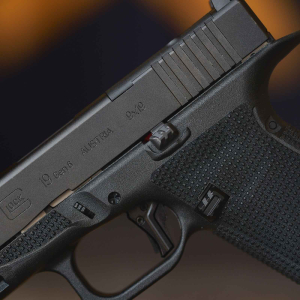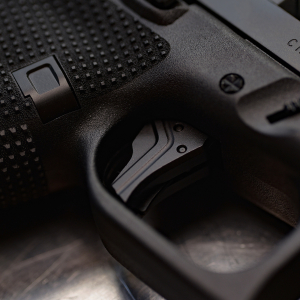
“Dry Fire” or “Dry Firing” is the practice of pulling the trigger on your gun without a round in the chamber, typically to attain a more consistent, clean, and fast trigger pull. However, there are a bunch of smaller benefits to the practice of dry fire that we’ll share with you today so that you can take advantage of them and incorporate them into your normal training routine.
One of the biggest benefits, especially in our times of inflated currencies and extremely expensive ammunition, is that dry firing is virtually free. There could be some upfront cost to dry fire training if you intend on investing in accessories like the DryFireMag, or one of the many laser-aided training systems out there by companies like Mantis. Although each of these accessories can cost $100 or more, over time, if you use these items as part of a routine training regime, you can sometimes drastically improve your consistency and performance without spending hundreds or thousands on ammunition.

Dry Fire training can also be much safer than training with a live firearm. Although there is a clear and superior benefit to live-fire training, dry-fire training typically eliminates the use of any live ammunition, can be practiced indoors in the safety of your own home, and oftentimes dryfire training systems like the CoolFire trainer can even partially simulate the recoil of a regular handgun by only using compressed gas. So with all of this in mind, how should you go about developing your own dry-fire training exercises to increase your skills?
Some Starter Dry Fire Exercises
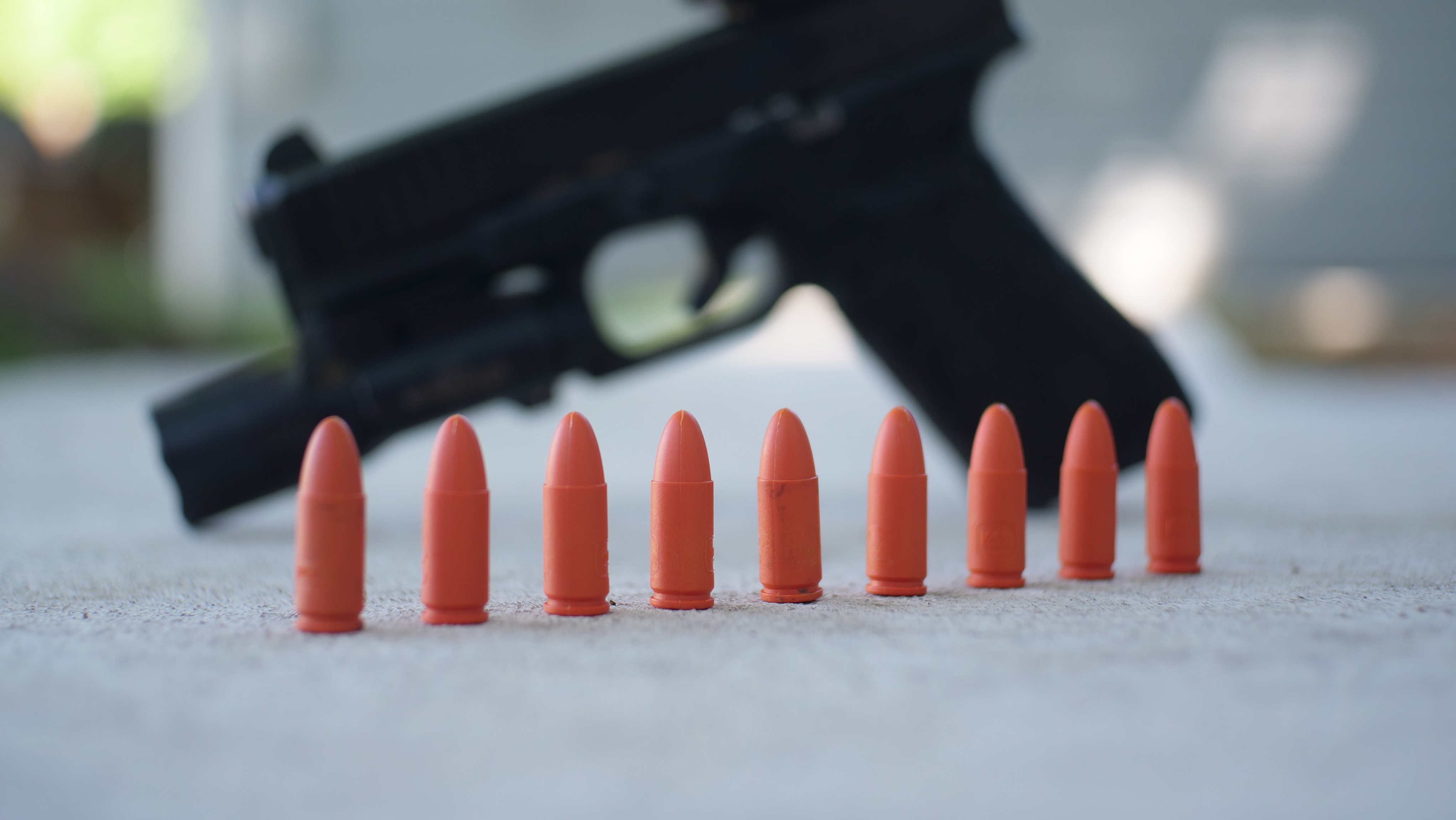
Some helpful items to have for these exercises would be snap caps or dummy rounds, your gun and holster setup, a spare empty magazine or snap-capped speed loader/moon clip, and a shot timer (there are free apps out there). Before you begin any of your dry fire training you should always make sure that your firearm is clear of any live ammunition, and that any magazines you intend to use for the training are emptied as well. Store any loose ammo or loaded magazines far away from your training area for an added layer of safety.

Coin Balance Drill
This is a simple one that can be accomplished with just a penny or a small coin. The goal of this drill is to train in a quick, clean, and disturbance-free trigger pull. Simply place the coin on the end of your extended handgun and then attempt to pull the trigger without having the coin fall off - it’s harder than it looks if you don’t have a nice smooth trigger pull! If you have a double-action firearm or a DryFire mag this can be a very valuable drill that won’t cost you any extra ammo. This is probably what I would consider to be the most pure form of dry fire practice as it involves no other actions than pulling the trigger.
Presentation Drill
Whether you’re carrying a firearm for self-defense or practicing to breech the next class in a USPSA match, a massive benefit to dry fire training is perfecting the draw and presentation of your firearm. The goal of this drill is to quickly, and consistently pick up your target in your sight picture from the draw. Add in a trigger pull and make it a goal to disturb your sight picture as little as possible every time. This is probably the most common and easy to repeat dry fire drill and it’s one that you can do with just the handgun itself and no extra equipment. Time really doesn’t matter until your presentation and trigger pull are smooth and end with a clean trigger break with virtually no disturbance to your sight picture.
Transition Drill
This drill is slightly more advanced and is greatly aided by the addition of a DryFire mag, double-action firearm, or snap caps. The goal of this dry fire drill is to help you train your transition between targets without wasting a bunch of ammunition. Start with your pistol at the low ready or in the holster and on the beep of your shot timer, present and dry fire at your first target doing your best to incorporate the skills honed in with the previous two drills. After the first target has been “shot at” you can then transition to the second target, moving your eyes first to the target and then moving your irons/red dot over the target you’re looking at. After you’ve got a solid sight picture, pull the trigger again trying not to disturb the sight picture. This drill really helps with your lateral hand movement, preventing you from overrunning a target during a transition.
Other Tips - Don’t forget to Practice Consistently!
If you’ve mastered these simple basics, you can start incorporating other things into your routine dry fire practice to help hone in other relevant skills you might want to attain. Movement drills, reload drills and transition drills are probably the best well-suited types of training during dry fire practice. You should establish a healthy routine of dry fire practice, it really does go a long way in improving your pistol performance at the range without spending too much money. As good as it is, don’t forget to throw in some regular practice sessions while you’re att it to help inoculate yourself for the live-fire portion of shooting! Let us know your tips and tricks! We’d love to hear what you do during dry fire practice to master your pistol skills!