Buying your first AR-15 opens the door to countless aftermarket upgrades. With so many options available, it's easy to spend money on parts that offer little practical improvement while overlooking upgrades that genuinely enhance the shooting experience. The best first upgrade depends less on what looks impressive and more on what you'll notice every time you pick up the rifle.
Rather than replacing everything at once, focus on components that improve ergonomics, handling, and manipulation. A staged approach helps you learn what actually benefits your shooting style while keeping the rifle reliable throughout the upgrade process.
Start With the Parts You Touch Most
The most worthwhile upgrades are usually the ones your hands interact with every time you operate the rifle.
Comfort Improves Performance
Better ergonomics reduce fatigue, improve consistency, and make the rifle easier to control during extended range sessions.
Small Changes Add Up
Several minor ergonomic improvements often provide more noticeable benefits than a single expensive modification.
Charging Handle: One of the Best First Upgrades
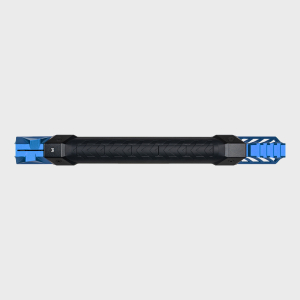
A quality charging handle is one of the easiest ways to improve rifle manipulation.
Easier to Grip
Larger, textured latches provide better purchase when charging the rifle from either side.
Improved Ambidextrous Operation
Ambidextrous designs make malfunction clearance and administrative handling faster and more natural.
Better With Optics
As optics become larger, accessing a factory charging handle can become more difficult. An upgraded handle provides additional clearance.
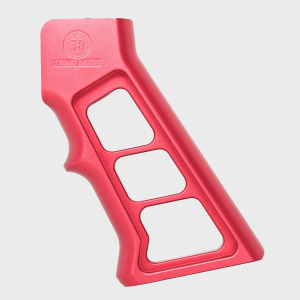
Grip: The Foundation of Rifle Control
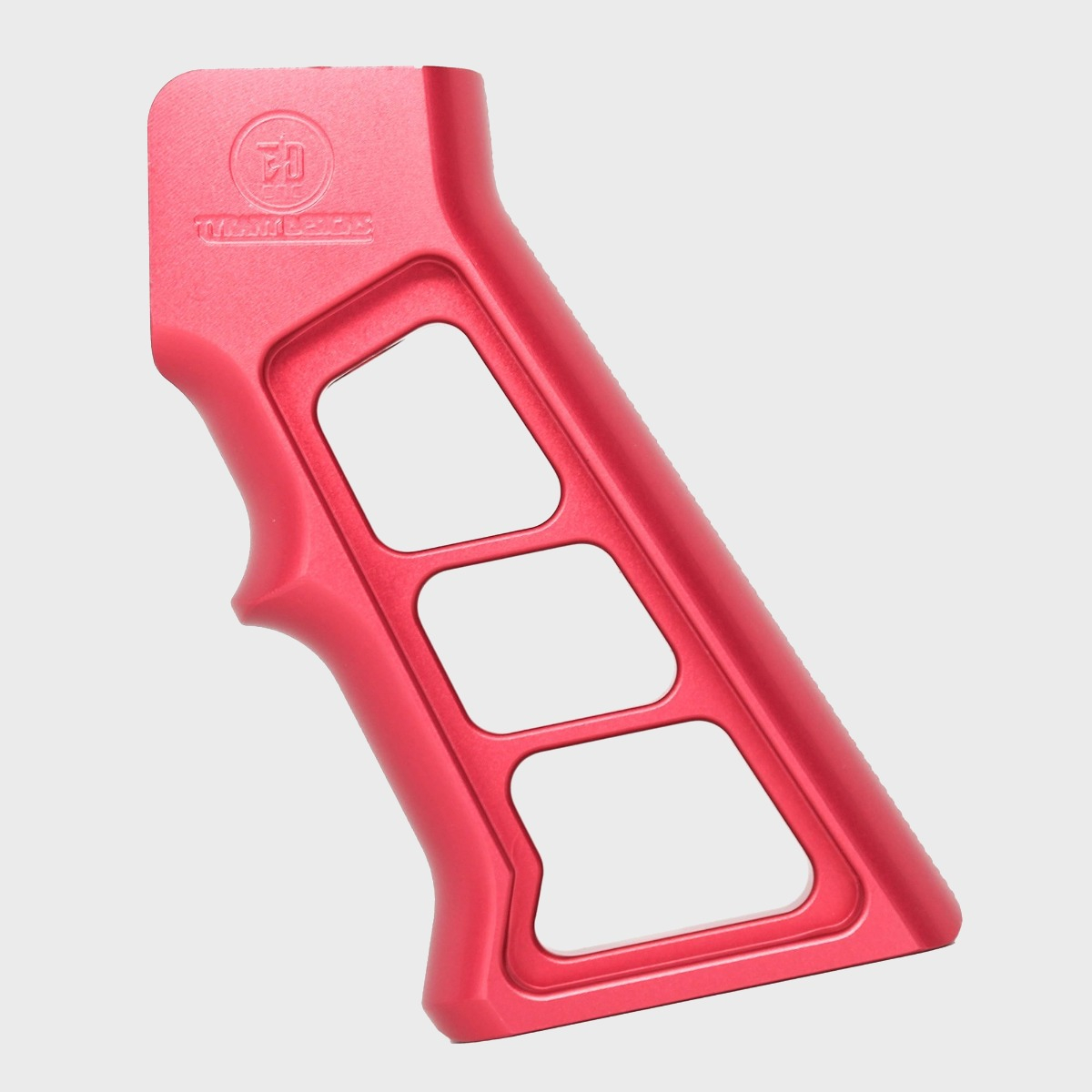
The factory grip works for many shooters, but upgrading it often produces immediate improvements in comfort and recoil management.
Choose the Right Grip Angle
Modern, more vertical grips support today's squared shooting stances while promoting a more natural wrist position.
Match Your Hand Size
Grip thickness, texture, and palm swell all affect comfort and trigger reach.
Improve Long-Term Comfort
A grip that fits properly reduces fatigue during long practice sessions and repetitive drills.
Ambidextrous Safety: Faster and More Consistent Manipulation
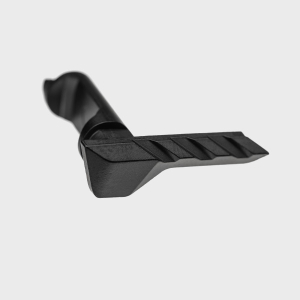
An upgraded safety selector can significantly improve rifle handling without changing how the rifle shoots.
More Positive Engagement
Well-designed selectors provide crisp tactile feedback when moving between safe and fire.
Better Accessibility
Ambidextrous controls benefit both left- and right-handed shooters while making transitions more efficient.
Improved Training Consistency
Easy-to-reach controls encourage proper safety manipulation throughout every shooting drill.
Handguard: Upgrade Only When It Solves a Problem
Replacing the handguard can improve accessory mounting, ergonomics, and appearance, but it is not always the best first modification.
More Mounting Options
Modern free-float handguards provide additional space for lights, slings, hand stops, and other accessories.
Improved Grip Position
Longer handguards allow greater flexibility in support-hand placement.
Higher Cost
Compared to grips or charging handles, handguards typically require a larger investment and more involved installation.
A Practical Upgrade Order
For most new AR owners, the following sequence delivers the greatest value.
First
Upgrade the charging handle for easier manipulation and improved access.
Second
Install a grip that better matches your hand size and preferred shooting position.
Third
Add an ambidextrous safety selector to improve rifle manipulation and consistency.
Fourth
Replace the handguard if you need additional mounting space or improved ergonomics.
Avoid Upgrading Everything at Once
Installing multiple components simultaneously makes it difficult to evaluate which upgrades actually improve your shooting experience.
Test Between Changes
Spend time shooting after each upgrade to understand how it affects comfort and performance.
Upgrade With a Purpose
Choose parts that solve specific problems rather than simply following current trends.
Maintain Reliability
Keeping changes gradual allows you to identify any installation or compatibility issues before adding more components.
Did You Know?
Many experienced AR shooters recommend upgrading ergonomics before internal components because improved handling often produces more noticeable gains in real-world performance.
Conclusion: Upgrade What You Use Every Time You Shoot
The best first AR-15 upgrades are the ones that improve comfort, manipulation, and consistency without compromising reliability. A quality charging handle, properly fitted grip, and ambidextrous safety provide immediate benefits every time the rifle is handled, while a handguard upgrade makes sense once your shooting style and accessory needs become clear. For premium AR components designed around durability, ergonomics, and dependable performance, explore AR-15 upgrade parts built for modern rifle setups.
FAQs
What is the best first upgrade for a new AR-15?
A charging handle is often the best starting point because it improves rifle manipulation immediately.
Should I replace my grip before my handguard?
For most shooters, yes. A properly fitted grip provides noticeable comfort and control improvements at a lower cost.
Is an ambidextrous safety worth installing?
Yes. It improves accessibility, manipulation speed, and overall rifle handling for many shooters.
Do I need a new handguard right away?
Not necessarily. Upgrade the handguard when you need additional accessory space, better ergonomics, or a free-float design.
Should I install multiple upgrades at the same time?
It's usually better to install and test one upgrade at a time so you can evaluate its individual benefit and maintain reliable operation.