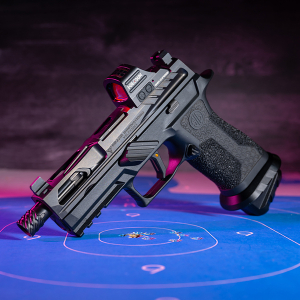
Adding a compensator to a pistol can dramatically improve recoil control and split times—but it also introduces new variables that can affect your red dot zero. If you’ve noticed your dot slowly walking off zero, shifting between sessions, or changing after hard strings, you’re not imagining it. Comped pistols experience different forces, timing, and vibration patterns than non-comped setups. This guide breaks down the real causes of zero drift and how to lock your setup in for good.
Why Comped Pistols Are Harder on Optics
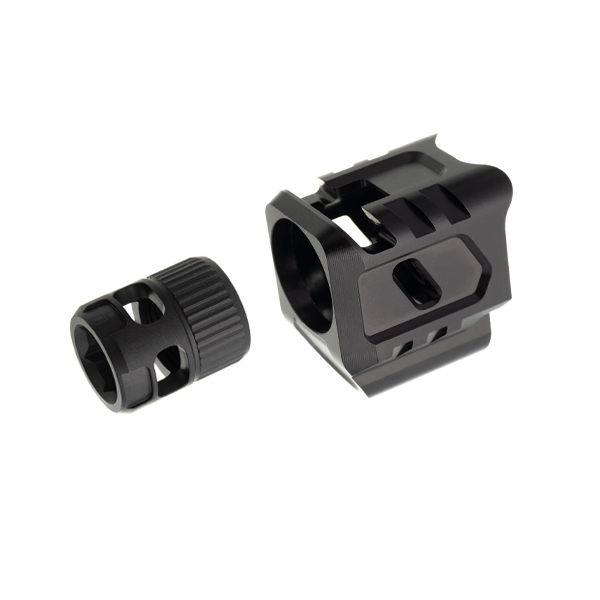
Compensators redirect gas and alter slide velocity. That changes how energy is transferred through the slide, optic plate, and mounting screws. Instead of a clean rearward impulse, the system now experiences upward force, increased dwell time, and sharper vibration cycles. All of that works against fasteners and mounting interfaces.
The Most Common Causes of Zero Drift
Insufficient Mounting Torque
Under-torqued optic screws are the number one cause of zero shift. On comped guns, the additional vibration accelerates micro-movement, even if the screws “feel” tight.
-
Optic screws backing out
-
Plate screws loosening under recoil
-
Intermittent shift that resets after re-tightening
Improper Threadlocker Use
No threadlocker, wrong strength, or contaminated threads all lead to loss of clamp force. Oil, solvent, or carbon in the threads prevents proper bonding.
Plate-to-Slide Interface Issues
Any tolerance stack between the slide cut, optic plate, and optic body allows movement. On a comped pistol, even tiny gaps become big problems.
Recoil Spring and Timing Mismatch
Comps often require spring tuning. If the slide is slamming harder or returning inconsistently, the optic experiences uneven loading, which can shift zero over time.
Optic Housing Flex
Some optics flex under aggressive impulse. On comped pistols, that flex happens more violently, especially with hotter ammo.
Step-by-Step Diagnostic Flow
Step 1: Verify Mechanical Zero
Confirm your zero with a solid bench rest. If the group is wandering, not just off-center, you’re dealing with movement—not shooter error.
Step 2: Check Torque Values
Remove the optic, clean the threads, reapply threadlocker, and torque to manufacturer spec. Do not guess.
Step 3: Inspect Plate Fitment
Look for witness marks, shiny spots, or uneven wear between the plate and slide. Any movement here will translate into zero drift.
Step 4: Evaluate Recoil System
If you added a comp and didn’t touch the recoil spring, you may be over- or under-sprung. Both conditions cause abnormal slide behavior.
Step 5: Shoot a Heat Cycle Test
Zero, shoot 100–150 rounds, let the gun cool, then re-check zero. Heat expansion can reveal marginal mounting.
Fixes That Actually Work
Proper Torque + Correct Threadlocker
Clean threads with alcohol, use medium-strength threadlocker, and torque precisely. This alone fixes most drift issues.
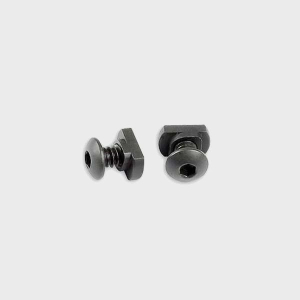
Upgrade Mounting Hardware
Higher-quality screws with better head engagement resist vibration better than soft factory hardware.
Ensure Full Plate Contact
If the plate rocks or doesn’t sit perfectly flat, it will move. Lapping or replacing the plate may be necessary.
Tune the Recoil Spring
Comps change slide velocity. A properly tuned spring smooths the impulse and reduces stress on the optic mount.
Witness-Mark Everything
Mark optic screws and plate screws. If anything moves, you’ll see it immediately.
Ammo Matters More Than You Think
Hot defensive loads and light range ammo behave very differently in comped guns. Switching between them can change slide timing enough to affect zero, especially on marginal mounts.
-
Zero with your primary carry or match ammo
-
Expect small shifts when changing bullet weight or pressure
-
Reconfirm zero after major ammo changes
Did you know?
Most zero drift blamed on “bad optics” is actually caused by plate movement or improper screw preload—especially on comped pistols.
Conclusion: Lock the System, Not Just the Dot
On a comped pistol, the optic is only as stable as the system underneath it. Proper torque, clean interfaces, tuned recoil, and quality hardware turn a wandering dot into a rock-solid reference. If your zero keeps moving, the gun is telling you something is out of balance. Fix the foundation, and the problem disappears.
For precision-machined components designed to maintain alignment under real-world recoil and gas redirection, explore handgun sight and mounting upgrades.
FAQs
1. Is zero drift normal on comped pistols?
No. It’s common, but it means something is moving.
2. Can a compensator alone cause zero shift?
Indirectly, yes—by changing slide timing and vibration.
3. Do I need a different optic for a comped gun?
Not necessarily, but stronger housings and mounting systems help.
4. Should I re-zero after every range session?
No. If you do, something is wrong with the mount.
5. Are plates or direct-mount slides better?
Direct mount is generally more stable, but a properly fitted plate can be just as solid.