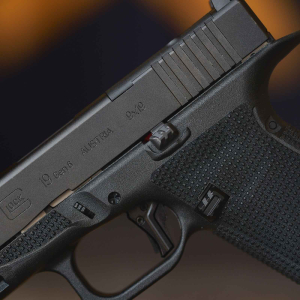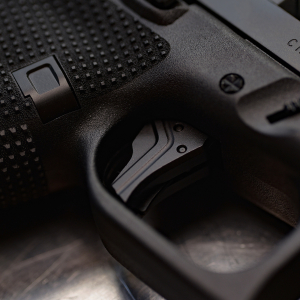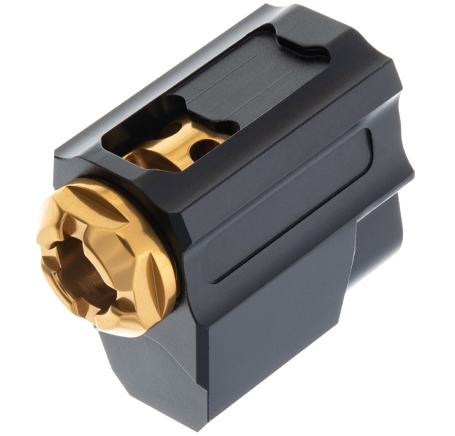
Adding a T-Comp to a SIG P320 changes the gas dynamics at the muzzle and the rifle’s recoil impulse. Done well, it reduces muzzle rise and speeds follow-ups with minimal downside. Done poorly, it creates timing problems, increased wear, or extraction issues. This guide explains the engineering trade-offs, how to choose recoil springs and ammo, correct timing and installation, and a testing protocol so your T-Comp runs reliably with the loads you carry or train with.
How a T-Comp changes the system
A T-Comp vents high-pressure gas upward and slightly rearward to counter muzzle climb. That redirection alters perceived recoil direction and can increase backpressure at the gas exit moment, which in turn affects slide velocity, ejection patterns, and the interaction between the slide and recoil spring. Tuning is about restoring balance: the comp gives better muzzle control, and springs/ammo selection restore consistent cycling and lockup.
Choosing the correct recoil spring
Recoil springs determine slide velocity and dwell time - two variables that interact directly with a muzzle device. Practical rules:
-
Start with the manufacturer’s recommendation. If the comp vendor suggests a spring weight or a spring-pack range, begin there.
-
One step heavier is a common first adjustment. Many shooters move to a slightly heavier spring to tame increased slide velocity caused by the comp’s backpressure.
-
Avoid over-springing. Too-heavy springs can cause failure-to-feed or incomplete slide lock on last round. Tune incrementally (one spring step at a time).
-
Consider spring condition. Old springs lose force - replace springs that have >5,000 rounds or show visible set or kinks.
Matching ammo weight and pressure
A muzzle device’s effect depends on the ammo’s pressure curve. Heavier bullets and hotter loads produce different timing than lighter, +P, or subsonic rounds.
-
Test with your carry/loadout ammo first. Always validate with the exact rounds you intend to use for CCW or training.
-
Expect suppressed or heavy-match loads to require different spring choices. If you run a variety of loads, choose the spring that gives acceptable reliability across the most-important two loads rather than optimizing for an outlier.
-
Watch ejection patterns. High, consistent right-shoulder ejection usually indicates healthy timing; weak ejection or stovepipes suggest undergassing or under-springing for that load.
Timing, mounting, and alignment
Correctly timed mounting prevents asymmetric forces, reduces point-of-impact shifts, and avoids baffle strikes.
-
Use the vendor’s torque and timing instructions. Many comps index to the barrel or slide timing flats; follow the specified method (crush washer, shims, or timing washer).
-
Verify concentricity. Ensure the comp is concentric with the bore - run a simple visual check with a bore light or gauge. Misalignment can cause baffle strikes and rapid wear.
-
Re-check point of impact (POI). After installation and timing, re-zero your sights or optic; muzzle devices commonly shift POI slightly.
Installation & test protocol - a practical workflow
-
Baseline check: Run 50 rounds with the factory spring and your primary ammo before installing the comp so you have a baseline for comparison.
-
Install and time the comp: Follow torque/timing procedure. Confirm concentricity and that no baffle contact occurs during a gentle dry cycle.
-
First live test (50 rounds): Use your primary ammo and the factory spring. Note ejection pattern, extraction, and any failures.
-
Adjust spring one step: If you see light ejection, stovepipes, or weak lockups, try the next heavier spring and repeat a 50-100 round test.
-
Document results: Log spring weight, ammo lot, POI shift, and failure types by round count and magazine.
-
Edge-case testing: If you plan to run +P or subsonic loads occasionally, run separate 50-round checks to verify acceptable function or decide on a secondary spring if necessary.
Common failure modes and fixes
-
Stovepipes on mid-string shots: Often under-sprung or weak magazine springs - try a heavier recoil spring first, then evaluate mags.
-
Poor ejection / light strikes: Could be timing or a worn striker spring - verify comp alignment and try the next heavier recoil spring before replacing striker parts.
-
Increased wear at slide/rail interfaces: Check lubrication, finish wear, and consider coatings or slightly heavier buffer systems if excessive cycling speed is causing friction damage.
-
PI shift after comp install: Retighten per torque spec and re-time; if POI still shifts significantly, try a different model or compensate with sight adjustment.
Holster & carry considerations
A T-Comp increases forward length and can change how a pistol rides in a holster or prints under clothing. For carry users:
-
Test your holster and draw stroke with the comp installed before daily carry.
-
Consider a low-profile comp if concealment is a high priority; full-length comps favor range and competition settings.
-
Ensure reholstering practice emphasizes muzzle discipline - length changes can alter perceived clearance.
Did you know?
Small spring changes (one "step" in recoil spring kits) can change slide dwell time by tens of milliseconds - enough to convert a benign ejection pattern into a stovepipe or vice versa. That’s why methodical, incremental testing is the fastest path to a reliable T-Comp setup.
Conclusion - practical tuning advice
Tuning a P320 with a T-Comp is an exercise in system balance: device timing, proper recoil spring selection, and ammo choice must work together. Start conservative - document a baseline, time the comp correctly, then incrementally adjust spring weight and re-test with your primary ammo. Prioritize reliability for carry loads and accept small point-of-impact shifts that can be corrected at the sight. With patient, measured testing you can gain reduced muzzle rise and faster follow-ups without compromising function.
For compatible parts and springs tested with SIG platforms, see our SIG-focused upgrades page: SIG Sauer parts & upgrades.
FAQs
1. Will adding a T-Comp always require a heavier recoil spring?
Not always - but it is common. The comp can increase backpressure at the muzzle, accelerating slide velocity; a one-step heavier spring is a conservative first adjustment to restore reliable timing.
2. Can I run multiple ammo types reliably with one spring after installing a comp?
Sometimes. Choose the spring that gives acceptable reliability across your most-used two loads. If you regularly switch between light target loads and heavy +P carry rounds, consider a secondary spring for the outlier or accept small tradeoffs and test thoroughly.
3. How do I know if a POI shift is normal after installing a comp?
Small shifts (a few inches at 25 yards) are common - re-zero if necessary. Large, inconsistent shifts or vertical stringing indicate timing or concentricity problems and should be troubleshot immediately.
4. My pistol stovepipes only on the last round - what should I check?
Inspect the magazine spring and follower first; then verify recoil spring weight and striker/striker spring condition. Last-round stovepipes often point to mag or feed-lip issues rather than the comp itself.
5. Is professional installation necessary?
Many competent owners can time and install a comp safely, but if you’re unsure about concentricity, headspace, or repeated POI shifts, have an armorer verify installation and run a function check.