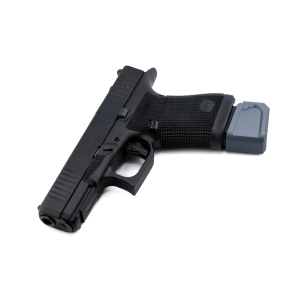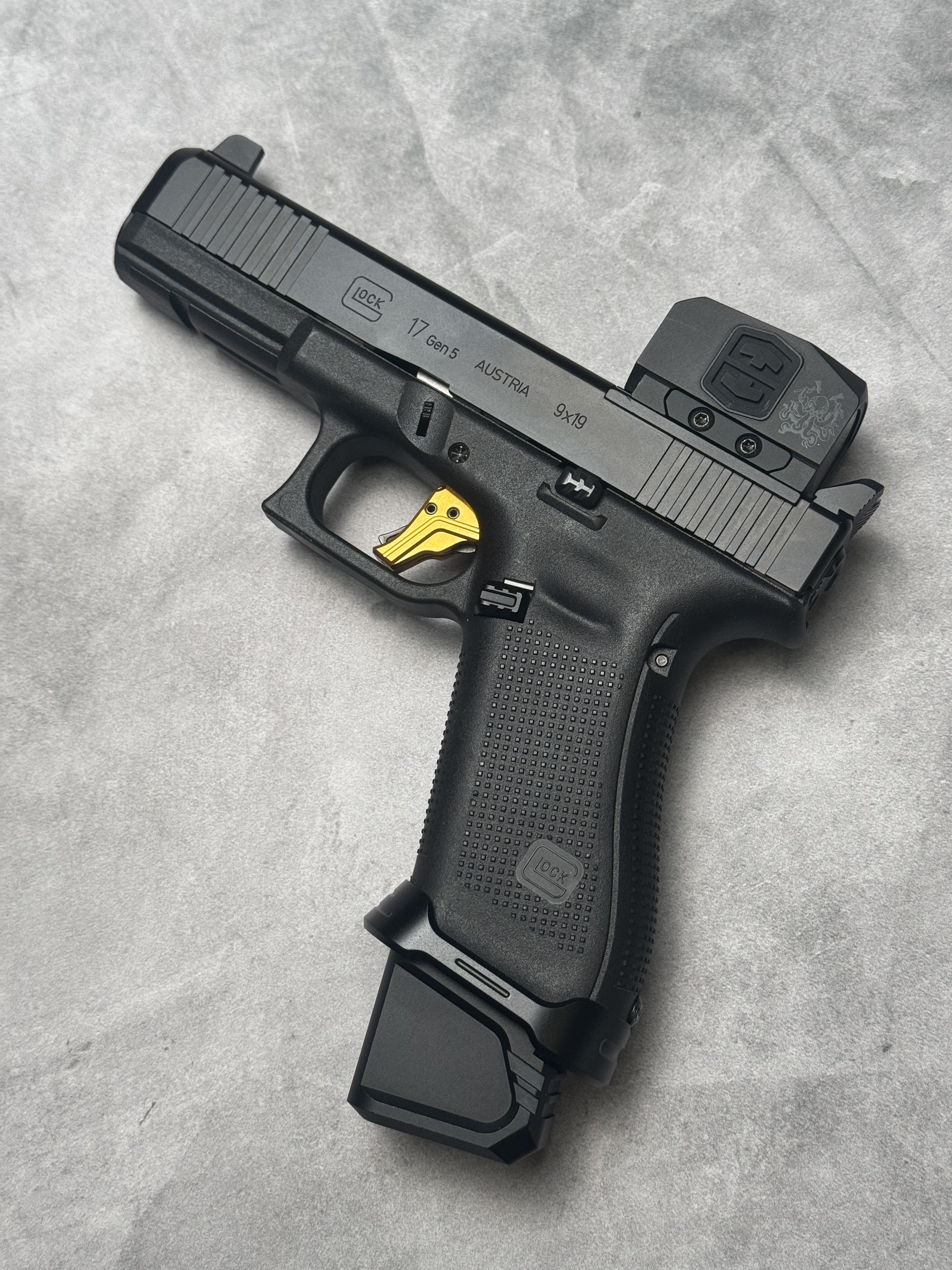
Reports in October 2025 indicate Glock is streamlining its commercial pistol lineup and will discontinue a number of popular models as part of a product refresh. This guide summarizes the key points of the report, explains the practical implications for owners, and offers step-by-step advice for maintaining reliability and support should your model be affected. The goal is practical clarity - what you need to check, what stays the same, and how to prepare without panic.
What the report says
According to published reporting, multiple Glock models are slated to be removed from the commercial lineup starting November 30, 2025, while a small set of compact models are expected to remain in production.
Which models were specifically mentioned
The coverage notes that most models are being cut in favor of new “V Models,” with the Glock 43, 43X, and 48X called out as remaining in production. The source also references Glock’s own product pages that list some older generations as discontinued.
Why the change - company rationale and broader context
Glock’s publicly quoted rationale frames the move as a strategic product-line consolidation so the company can focus resources on future innovation and a narrower set of platforms. The reporting links the timing to evolving regulatory and market pressures, which manufacturers sometimes factor into product planning.
What this means for current owners
Short-term: reported discontinuation does not equal immediate loss of support. The reporting states Glock intends to continue owner support for discontinued models, including parts and service pathways for owners of legacy pistols. That means your firearm remains usable and maintainable in the near term.
Mid-to-long term: if a model is dropped permanently from production, availability of new parts and factory-new pistols may decline over time and aftermarket demand can increase prices for service parts and well-kept used examples. For carry pistols, the practical advice is to keep a clean maintenance log, retain original parts, and verify holster/parts fit before relying on replacements.
Immediate steps to take if you own a potentially affected Glock
-
Record & document: take photos of serial, model, and current condition; note barrel, slide, and frame markings (helps if you later need parts or service).
-
Inventory spares: secure essential consumables - extra magazines, springs, sights - from reputable sources while availability is still broad.
-
Verify service channels: contact Glock or an authorized service center to confirm warranty and support status for your specific serial/model range.
-
Test your carry ammo: run a controlled reliability check (50–200 rounds) with the exact ammo you plan to carry; document any issues before making parts changes.
-
Consider conservative upgrades: prioritize reliability upgrades (mag springs, extractors, quality magazines) over cosmetic changes that complicate future resale or service.
Legal and market drivers cited in the coverage
The reporting connects the lineup shift to broader regulatory developments - for example, recent state-level actions that restrict certain features or conversion vulnerabilities - and notes those market and compliance dynamics can accelerate manufacturers’ product decisions. Owners in states with new regulations should double-check local rules and availability.
Did you know?
When manufacturers discontinue models, they most often continue to service existing owners for a period of years - but aftermarket parts availability and used-market pricing can change quickly. Documenting your firearm and maintaining original components preserves options.
Conclusion - practical posture for owners
News of lineup consolidation is a signal to act methodically, not emotionally. Verify official support statements with the manufacturer, secure essential consumables while they’re easy to source, and prioritize function-first maintenance for any carry or duty firearm. If you’re considering a purchase because of the headlines, factor in long-term parts and service access, not just short-term availability.
For reliable parts and consumables that help you preserve function and readiness, Visit Glock Components Page.
FAQs
1. Does discontinuation mean Glock will stop supporting my pistol immediately?
No - the reporting indicates that Glock will continue to provide owner support for discontinued models, but you should confirm details with Glock or an authorized service center for your serial range.
2. Should I buy extra parts or a spare pistol now?
If you rely on a particular model for carry, it’s reasonable to secure essential consumables (mags, springs, sights) while supply is plentiful. Avoid panic buying; focus on parts you actually use.
3. Are the reported “V Models” compatible with existing accessories and optics?
The reporting notes the new models will differ in some ways and that initial launches may not support certain legacy configurations; treat new-model specs as distinct until official compatibility guidance is released.
4. Could local laws force manufacturers to drop models?
Yes - regulatory changes in large markets can influence production strategy. The coverage specifically mentions recent state-level actions as part of the broader context for these decisions.
5. Where can I get verification of the discontinuation and support timeline?
Confirm directly with the manufacturer’s official channels (customer service, warranty pages) and keep copies of any official communications. The original report referenced manufacturer pages listing some models as discontinued; always cross-check with the maker.