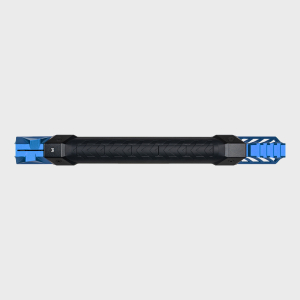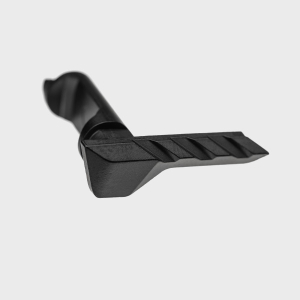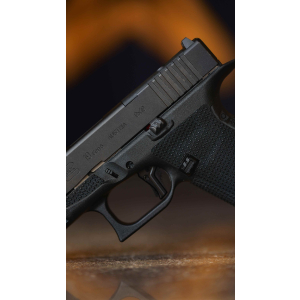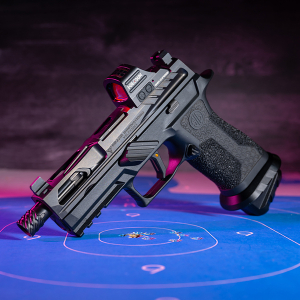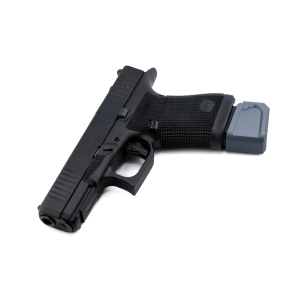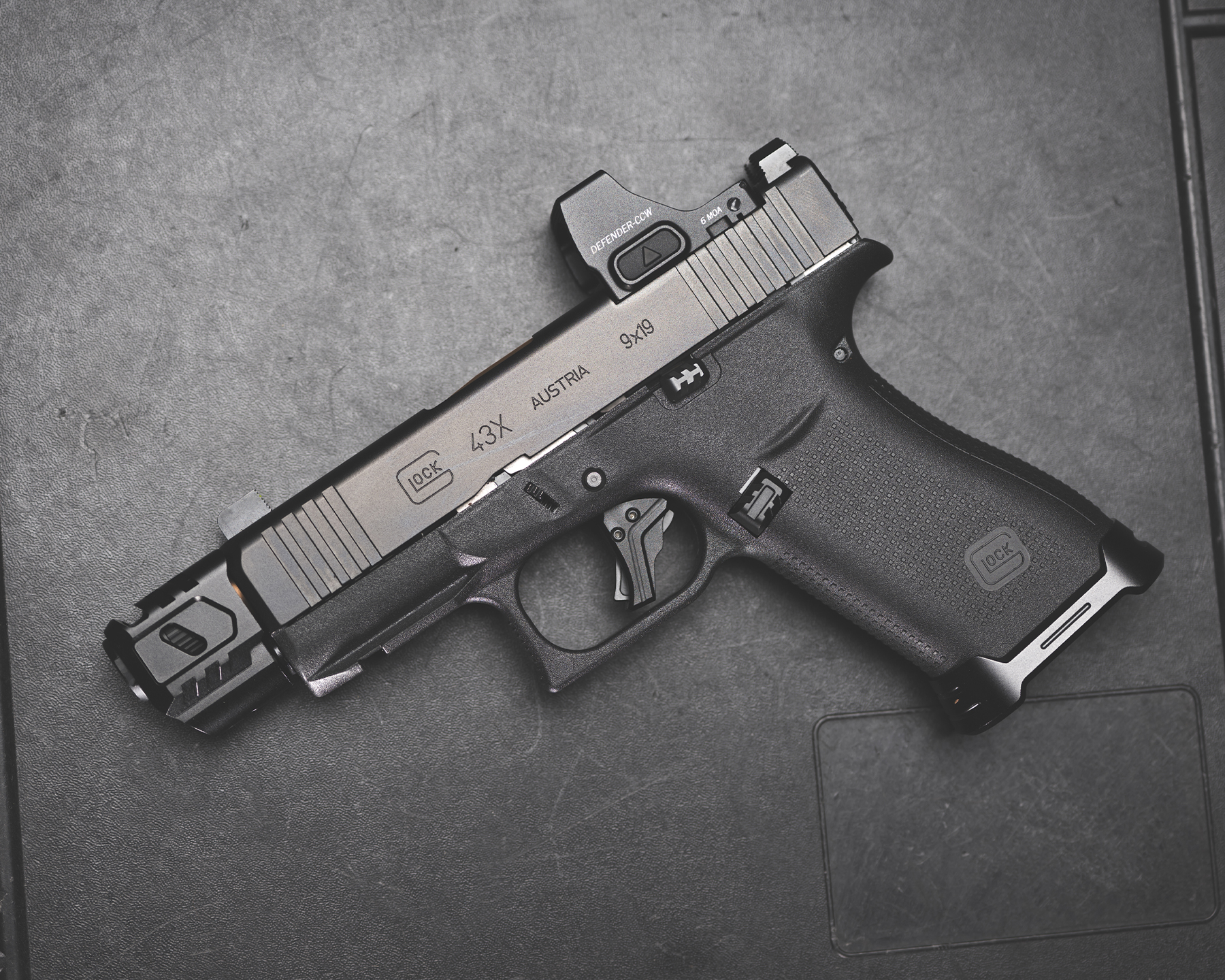
Adding a magwell to a Glock 43X or 48 to accept S15-pattern magazines can give you faster reloads and extra capacity - but it’s a system change, not just a parts swap. This guide walks you through the engineering-first things to verify so the setup is reliable and carry-friendly: fitment, mechanical engagement, feed geometry, holster interaction, and a repeatable test protocol to validate the build.
Fitment first: frame, magwell, and magazine compatibility
-
Confirm exact part fit: Use a magwell specified for Glock 43X/48 - not a generic 43/48 or universal model. Small rail and frame differences matter.
-
Magazine pattern verification: If you plan to use S15-pattern mags, verify the vendor explicitly lists those magazines as compatible with the magwell + Glock model combination.
-
Dry-fit clearance: With the pistol unloaded, insert each magazine type and inspect for binding, excessive play, or contact with the magwell lips, magazine catch, and slide stop area.
Magazine engagement & retention
-
Mag catch lockup: Ensure the magazine locks cleanly with an audible click and does not shift side-to-side under light thumb pressure. Excessive wobble creates feed problems.
-
Catch geometry: Check that the mag catch engages the magazine cutout at the correct depth - some S15 pattern bodies require slightly different mag catch engagement profiles.
-
Retention tuning: If wobble exists, inspect for bent feed-lips, uneven magwell seating, or consider a vendor-recommended retention shim or thicker mag catch spring rather than forcing a tight fit.
Feed-lip, follower, and spring checks (the invisible reliability factors)
-
Feed-lip geometry: Even small differences change nose presentation. Inspect how the top round sits relative to the feed ramp with the slide locked back and magazine fully seated.
-
Follower travel: Remove the floorplate and manually cycle the follower to confirm smooth travel and no hangups inside the magwell channel.
-
Spring force: Measure or compare spring force across your magazine set. Replace flattened springs - inconsistent upward pressure is a common cause of failures in new configurations.
Magwell alignment, timing, and fasteners
-
Seat & torque: Install per magwell vendor instructions. Use specified fasteners and torque values; over-tightening can deform polymer frames or shift the magwell out of alignment.
-
Concentricity with magazine path: Verify the magwell’s flare guides the magazine straight into the catch without twisting the body. Visual checks and a slow insertion test reveal misalignment.
-
Re-check after break-in: Re-inspect fasteners and alignment after initial 50-100 rounds - small movements can appear after thermal cycling and vibration.
Holster, concealment & reholster safety
-
Holster compatibility: Test your chosen holster with the magwell installed - retention, draw stroke, and reholstering clearance can change substantially.
-
Printing and profile: Opt for a short, low profile flare for carry builds; full competition flares may speed reloads but increase printing.
-
Reholster practice: Reholstering with a flared base requires disciplined muzzle control and practice - validate your draw/reholster path repeatedly in dry drills.
Range validation protocol (systematic testing)
-
Baseline runs: Confirm reliable function with your factory setup (no magwell) for 50 rounds using your carry ammo.
-
Single-mag check: Install magwell and test one magazine model for 50 rounds (mix of strings and reload scenarios).
-
Rotate mags: Cycle through every S15-pattern magazine you intend to carry - run 25-50 rounds each and log any failures by mag and round count.
-
Swap test: If a failure occurs, test the failing mag in the stock frame and a proven mag in the magwell frame to isolate magazine vs magwell issues.
-
Scenario testing: Include tactical reloads, emergency reloads, and indexed pouch swaps - magwells can expose subtle issues during fast exchanges.
Common failure modes and targeted fixes
-
Loose fit / wobble: Inspect mag catch engagement and magwell seating; try vendor shims or a slightly thicker mag catch spring before replacing parts.
-
Failure to feed / nose strikes: Check feed-lip geometry and follower alignment. Replace suspect magazines or run a controlled magazine modification only with vendor guidance.
-
Intermittent lockback or stovepipes: Verify spring force, magazine floorplate seating, and that the magwell isn’t deforming the magazine body under load.
Maintenance & longevity checks
-
Keep the magwell/frame junction free of grit - textured finishes trap debris that can prevent full seating.
-
Inspect magazine bodies for cracking or deformation where the magwell contacts the polymer or aluminum surfaces.
-
Replace magazine springs on a maintenance schedule (rotate and test; replace springs after visible set or thousands of rounds according to quality and use).
Did you know?
Most early reliability complaints after a magwell install track back to magazine variance - one bad follower or a slightly flattened spring often causes more stoppages than an out-of-spec magwell. Systematic magazine testing isolates the true culprit faster than swapping parts at random.
Conclusion - practical checklist before you trust it for carry
If you’re combining Glock 43X/48 magwells with S15-pattern magazines, treat the setup as a whole system. Confirm exact-fit parts, verify mag catch engagement, inspect feed-lip and follower behavior, torque and time the magwell correctly, and run a documented range validation across every magazine you’ll carry. Favor low-profile flares for carry, keep a strict maintenance cadence, and avoid changing more than one variable at a time when troubleshooting.
For model-specific Glock components and magwell options, see our Glock components page: Glock components & upgrades.
FAQs
1. Can any S15-pattern magazine be expected to work with a Glock 43X/48 magwell?
No - magazine bodies and internal geometry vary. Only use magazines the magwell vendor or manufacturer lists as compatible, and validate each mag on the range before carrying.
2. My magazines click but wobble - is that dangerous?
Wobble increases the chance of inconsistent feeding. Address it before relying on the rig: check mag catch engagement, magwell seating, and consider vendor shims or a mag catch spring adjustment.
3. Will adding a magwell change my point of aim or balance?
A small magwell usually affects balance minimally, but a heavy or long flare can change balance and printing. Always practice with the exact carry setup and re-zero if necessary.
4. How many rounds should I test before trusting this setup for daily carry?
A practical minimum is 200-300 rounds across all magazines, including reload scenarios and multiple 50-round validation runs. More testing reduces the risk of an unexpected failure in the field.
5. If a single magazine fails repeatedly, should I modify it or replace it?
Replace first. Only consider magazine modification (feed-lip tune, follower swap) if you understand the risks and have a proven method; uncontrolled mods can make reliability worse and may be unsafe.