Introduction: Understanding Forced-Reset Triggers Lately, I've been hearing a lot of chatter about FRTs—forced-reset triggers, especially when it comes to Glocks. These devices promise faster shooting speeds and push the line between semi-auto and full-auto. Naturally, they’ve caught the attention of gun owners, lawmakers, and regulators alike.
If you’ve been wondering what all the buzz is about, or if you’re simply trying to figure out whether an FRT belongs anywhere near your Glock, this breakdown is for you.
While FRTs differ from fully automatic weapons, they offer near-automatic firing speeds by mechanically forcing the FRT Trigger to reset. That speed has made them both popular and controversial. And while much of the legal focus has been on AR-style platforms, curiosity continues to grow around the idea of applying this technology to Glock handguns, spurring an influx of Google searches for terms like "FRT Glock trigger," "FRT trigger for Glocks," "Glock FRT Trigger" and "Glock performance trigger."
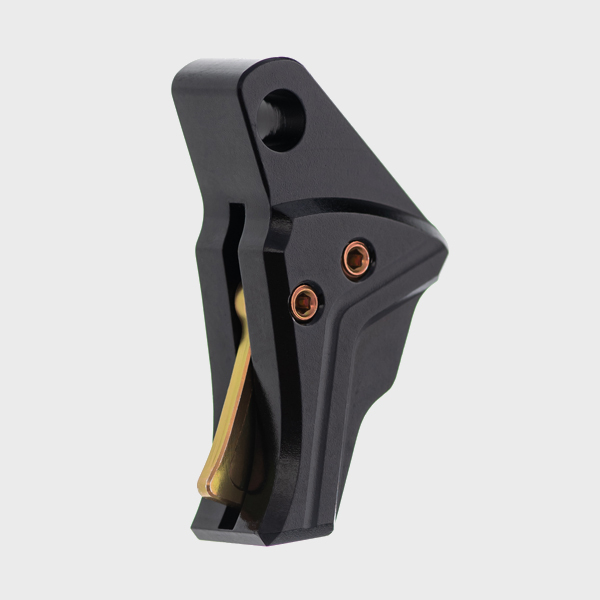
Mechanical Functionality of FRTs An FRT uses the bolt carrier’s rearward motion to push the trigger forward after a shot. This forced reset allows the shooter to fire again more quickly than with a traditional semi-automatic trigger. Despite the increased firing speed, each round still requires a separate pull of the trigger.
In contrast, a machine gun continues firing as long as the trigger is held down. This mechanical difference, one round per trigger pull, is central to the ongoing legal debate around forced-reset triggers.
A Brief History and Legal Classification of FRTs FRTs entered the spotlight in 2020 with Rare Breed’s release of the FRT-15 trigger for AR-15 platforms. Initially hailed for mechanical innovation, the device soon drew scrutiny from the Bureau of Alcohol, Tobacco, Firearms and Explosives (ATF), which argued that certain FRTs allowed functionally automatic firing. In response, the ATF classified several models as machine guns under the National Firearms Act (NFA), sparking lawsuits and controversy nationwide.
Rare Breed Triggers and other manufacturers pushed back, claiming the devices still adhered to the “one pull, one shot” standard and therefore did not meet the legal definition of a machine gun. Legal challenges followed in multiple jurisdictions.

Major Legal Decisions and Settlements In 2024, the U.S. District Court for the Northern District of Texas ruled that forced-reset triggers do not meet the legal definition of a machine gun. This was a significant win for gun rights advocates and a blow to the ATF’s interpretation.
In May 2025, the Department of Justice reached a settlement with Rare Breed Triggers, agreeing to end enforcement actions against the company. The settlement allowed FRTs to be sold and possessed legally at the federal level, with a few key restrictions:
- FRTs may not be used in handguns.
- Rare Breed must enforce patents against unauthorized reproductions.
- Sales remain subject to state and local laws.
This marked a major shift in federal policy and essentially reversed the ATF’s prior stance.
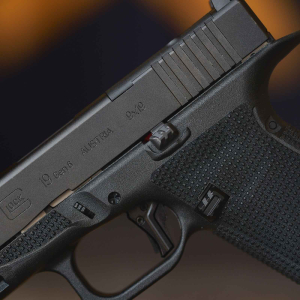
FRT Triggers and Glock Pistols Although the FRT concept originated with AR-style rifles, discussions have emerged around applying it to handguns, particularly Glock models. Interest in a Glock FRT trigger has grown among firearm enthusiasts, but here’s the current reality:
- There are no officially licensed, legally compliant FRT triggers designed for Glock pistols.
- Some third-party vendors have falsely marketed aftermarket Glock triggers as “FRT-style” or “forced reset,” but these are often misleading or outright illegal.
- Most of the time, these products are fast-reset or lightened triggers, not true mechanical forced-reset systems.
Under the 2025 DOJ settlement, using FRTs in handguns remains prohibited, which puts Glock compatibility completely off the table...for now.
Current Legal Status of FRTs As of mid-2025, forced-reset triggers are legal under federal law for use in rifles but banned in handguns as per the DOJ settlement with Rare Breed.
However, state laws vary. Some states still classify FRTs as prohibited or heavily regulated devices. Gun owners and dealers must remain up to date with their jurisdiction’s laws before purchasing or installing one.
Even with the federal green light, future regulations, lawsuits, or political shifts could impact legality again.
Better Legal Alternatives for Glock Upgrades If you're looking to improve the speed, control, or feel of your Glock's trigger without entering murky legal territory, your best bet is a high-quality, drop-in trigger upgrade.
Look for features like:
- Crisp, clean breakpoints
- Short, tactile resets
- CNC-machined aluminum or hybrid materials
- Compatibility with popular Glock models
These performance-focused upgrades give you the benefits of fast shooting without the risk. If you’re searching for a Glock performance trigger that’s reliable, responsive, and 100% legal—Tyrant CNC has you covered.
Conclusion Forced-reset triggers are innovative, controversial, and legally complex. While they offer a rapid-fire experience within the semi-auto category, their status has evolved quickly in recent years.
Thanks to a 2025 federal court ruling and DOJ settlement, FRTs are no longer treated as machine guns—but they are still banned from use in handguns, including Glock pistols. If you're considering upgrades for your Glock, stick to tested, legal solutions from reputable manufacturers.
FAQs
Is a forced-reset trigger legal?
A: Under federal law, yes, for rifles. However, use in handguns is prohibited, and some states still ban or restrict them.
Can I install an FRT on a Glock?
A: No. FRTs are not allowed in handguns under the 2025 DOJ settlement with Rare Breed.
What's the difference between an FRT and a binary trigger?
A: An FRT resets rapidly using the firearm’s bolt action. A binary trigger fires one round on pull and one on release. Both differ mechanically and are regulated differently.
Why did the ATF target FRTs?
A: The ATF argued that some FRTs allowed for near-automatic rates of fire, classifying them as machine guns under the NFA. That interpretation was later overturned in court.
What's the best legal Glock trigger upgrade?
A: A drop-in trigger from a trusted brand. These upgrades improve performance while staying fully compliant with all federal laws.
Is a Glock switch an FRT?
A: No. A Glock switch, also known as an auto sear, converts a semi-automatic Glock into a fully automatic weapon, which is illegal under federal law unless properly registered. An FRT, on the other hand, is a mechanically assisted trigger reset system that still requires one trigger pull per shot. They are entirely different in function and legal status.