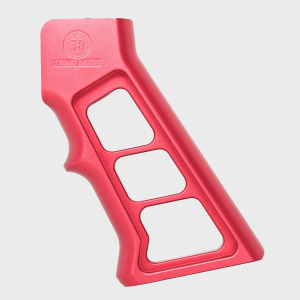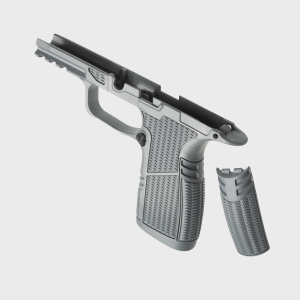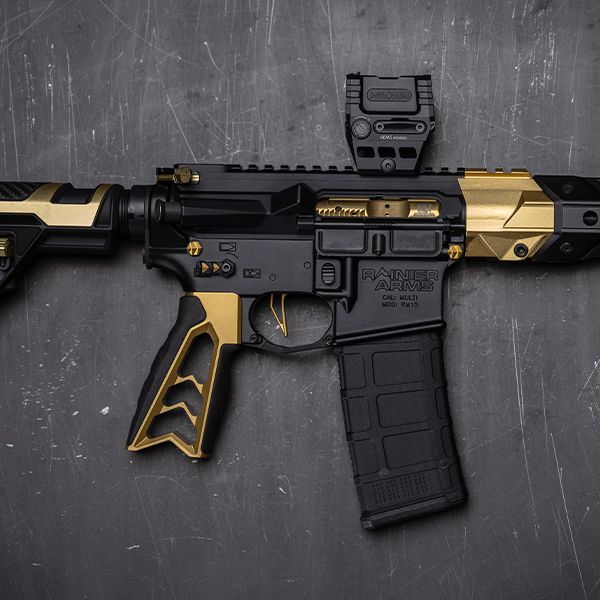
CNC-machined rifle grips are highly regarded for their precision and durability, offering superior ergonomics and performance. However, like any upgrade, installing CNC machined grips can sometimes come with fitment challenges. Whether you're a seasoned firearms enthusiast or a first-time builder, understanding and troubleshooting common fitment issues will help ensure your rifle grip is installed correctly, providing optimal comfort and performance.

Common Fitment Issues with CNC Machined Rifle Grips
1. Grip Does Not Fit Securely onto the Rifle
One of the most common issues when installing CNC machined rifle grips is a loose fit. This can happen if the grip does not align perfectly with the rifle’s lower receiver or if the mounting screw holes do not line up correctly.
Solution:
-
Double-check that the grip is compatible with your rifle model. Some CNC grips are designed for specific makes and models, so it's essential to verify compatibility before installation.
-
Ensure that the mounting screws are properly sized and tightened according to the manufacturer’s torque specifications. Tightening screws too much or too little can affect grip security.
-
If the grip has a tension screw, adjust it to ensure a firm connection between the grip and the lower receiver.
2. Misalignment of the Grip with the Rifle’s Natural Point of Aim
Some shooters experience discomfort or awkward positioning when the grip is not aligned with the rifle’s natural point of aim. This misalignment can lead to poor handling and discomfort during extended shooting sessions.
Solution:
-
Ensure that the grip you choose is ergonomically designed to match your hand size and shooting style. Some CNC grips offer different angles and contours, allowing you to choose one that suits your needs.
-
Test different grip positions before fully tightening the screws. Many CNC rifle grips allow for slight adjustments, so finding the most comfortable position is key.
-
For more precision, consider grips that offer adjustable angles or even modular grips that allow you to customize the fit based on your preference.
3. Grip Causes Unwanted Pressure Points or Discomfort
Improper grip size or shape can lead to discomfort, especially during extended shooting sessions. CNC grips are designed for precision, but if they are too large, too small, or poorly shaped, they may cause unwanted pressure on your hand.
Solution:
-
If the grip feels too large or too small, consider switching to a grip with an adjustable backstrap or modular design that fits your hand shape and size better.
-
Look for grips with features like palm swells or textured surfaces that improve comfort and control. CNC grips with ergonomic contours can reduce hand fatigue and increase shooting accuracy.
-
You can also add grip sleeves or cushions for additional comfort if you find that the grip’s surface is too harsh.
4. Incompatibility with Accessories or Attachments
If you’re upgrading your rifle with additional accessories like lights, lasers, or bipods, the fit of your CNC machined rifle grip may cause interference with these attachments, affecting their performance.
Solution:
-
Ensure that the CNC grip you are installing has enough clearance for your rifle’s attachments. Some grips are designed with extra space for mounting accessories or provide alternative mounting options.
-
Consider grips that feature M-LOK or KeyMod attachment systems, which allow you to easily mount accessories without interfering with the grip itself.
-
If interference persists, you may need to reposition the accessories or choose a different grip that allows for better accessory integration.
Did you know?
CNC machining ensures that each rifle grip is made with extremely tight tolerances, reducing the chances of fitment issues and enhancing overall rifle performance.
Preventative Tips for Ensuring Proper Fitment
1. Measure Your Rifle’s Dimensions
Before purchasing or installing a CNC machined grip, take precise measurements of your rifle’s lower receiver and the area where the grip will be mounted. This will ensure that you select a grip designed to fit your rifle’s specific dimensions.
2. Check Manufacturer Compatibility Charts
Most CNC grip manufacturers provide compatibility charts for their products. These charts help you confirm that the grip you want to install is designed for your rifle model, reducing the chances of encountering fitment issues.
3. Follow Installation Instructions Carefully
Always follow the installation instructions provided by the manufacturer. Many fitment issues can be avoided by simply ensuring that the installation process is carried out correctly, including tightening screws to the recommended torque specification.
4. Consult a Gunsmith for Assistance
If you continue to encounter fitment issues despite troubleshooting, consulting a professional gunsmith can help. They can assist with precise installations and ensure that your grip fits perfectly and functions optimally.
Conclusion: Achieve the Perfect Fit with CNC Machined Rifle Grips
Upgrading to a CNC machined rifle grip can greatly improve your rifle’s ergonomics, comfort, and shooting performance. By addressing common fitment issues such as improper alignment, grip security, and discomfort, you can ensure that your grip functions at its best. Remember to choose the right grip for your hand size and shooting style, and always verify compatibility before installation.
For high-quality CNC machined rifle grips, explore our selection of rifle grips and accessories designed to enhance your rifle’s performance and handling.
FAQs
1. How do I know if a CNC grip will fit my rifle?
Always check the manufacturer's compatibility charts and verify the measurements of your rifle's lower receiver. CNC grips are often designed to fit specific rifle models.
2. Can I install a CNC grip myself?
Yes, most CNC rifle grips are designed for easy installation. However, following the correct procedure and torque specifications is essential to avoid any fitment issues.
3. What should I do if my CNC grip feels too uncomfortable?
If the grip feels uncomfortable, consider switching to a model with an ergonomic design or adjustable backstraps. You may also add grip sleeves for added comfort.
4. Will upgrading to a CNC grip improve my shooting accuracy?
Yes, CNC grips are designed to offer better ergonomics and a more natural fit, which can improve your handling and shooting accuracy.
5. How often should I inspect my CNC machined rifle grip?
Regularly inspect the grip for wear, looseness, or damage, especially after extensive use. Re-tighten screws periodically to ensure a secure fit.