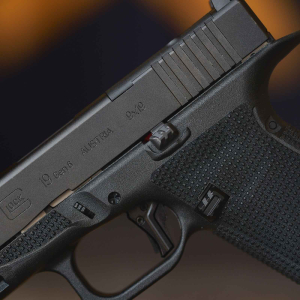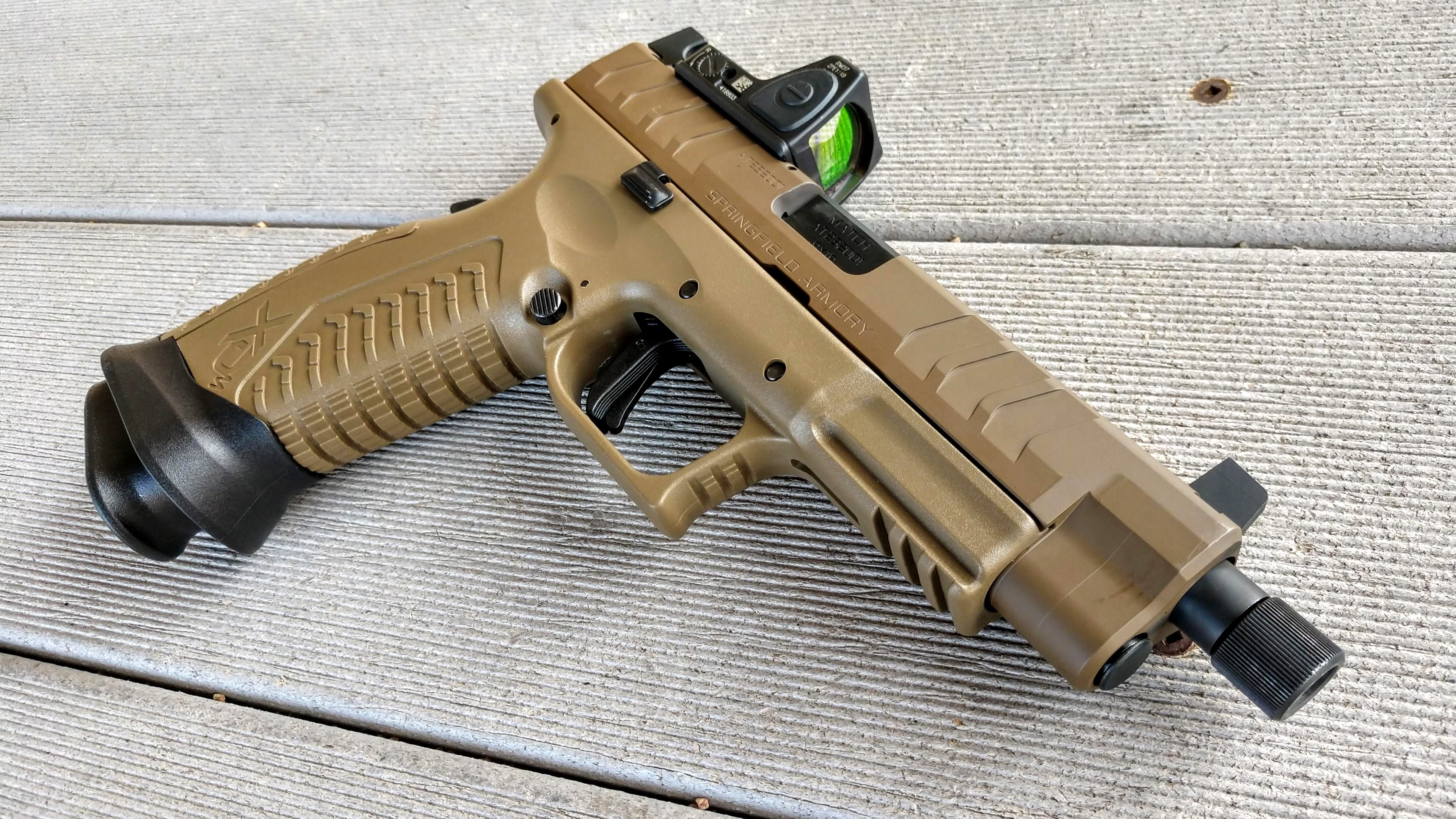
For the longest time, essentially since the dawn of firearms, iron sights have been the gold standard. The principles at which we all learn how to shoot shotguns, rifles, and especially handguns give us a good fundamental understanding of windage, elevation, and how to correct for poor impacts. As firearms advance in technology so have our preferences in the accessories we wish to use with them as well. Less than 10 years ago you would be hard-pressed to find a handgun manufacturer who had a factory model pistol milled for a red dot. Now it seems like every company has at a minimum one pistol that is accepting of various red dots if not selling a factory model with one already on it. So, what is the big deal? Are red dots more accurate? Are they quicker? More delicate? There has to be a reason why the industry is trending that way. Let’s take a look at why you may or may not want a red dot on your next handgun!
First off, let’s dispel one myth when it comes to red dots that they are more accurate than iron sights. This is simply not true. The front sight blade on handguns varies, but in general it is relatively thin; it covers up a small portion of your target. Red dots on the other hand typically cover a much larger area of your target actually limiting how accurate you can be (if we are only being nit-picky about group size). Most red dots are a 3 – 6 MOA dot meaning they cover up a pattern of roughly 3” – 6” at 100 yards. Nearly none of us are shooting our handguns that far, but even at close distances that dot is larger than we believe it may be.
So, if they are not more accurate, why so popular?... The golden reason is because they are significantly faster! When it comes to iron sights most of us spend what feels like an eternity teeter-tottering our rear and front sight back and forth until they line up over the bullseye so we can pull the trigger. With a red dot you simply get your dot to appear over the bullseye, and BANG! Mission accomplished. With red dots, it does not matter if you are square with the world, level, or balanced. Wherever your red dot appears on your lens you will hit. It is that simple. So, if a seasoned shooter who is generally accurate with iron sights switches to a red dot and becomes faster, they tend to confuse that speed with being more accurate.
There are other elements to consider as well when it comes to red dots. Red dots obviously rely on batteries and those can die and fail you. Many people who get red dots will also upgrade their iron sights so they co-witness; overlap with each other. Then, if during a hunt or range session your batteries die you are not up a metaphorical creek without a paddle. You can keep shooting. Also, while red dots are not necessarily known for being fragile, they are definitely more delicate than your metal iron sights. You may not need to baby your red dot, but you do not want to aggressively abuse it either. So, there are all things to consider if you want to jump on the growing red dot bandwagon. As always, let us know all of your thoughts in the Comments below. We love it when you participate in our articles and keep the conversation going!