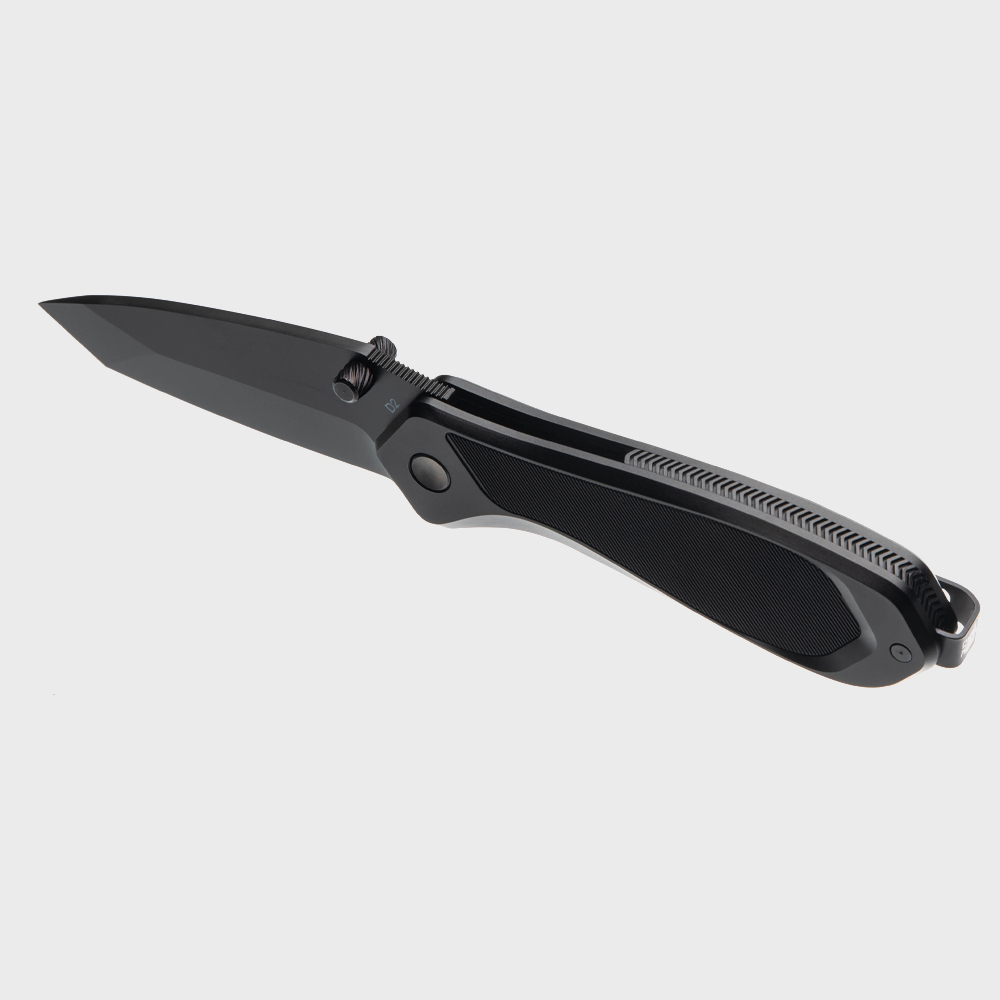
The T.D.C. MiniPry is a compact tool designed for precision tasks that require leverage and control. While versatile, it is important to know its limits and use it for the right jobs. Some tasks that might seem like a good fit for the MiniPry could end up damaging the tool or compromising safety. Specifically, using a knife tip for jobs it wasn't designed for can lead to breakage, dulling, or even personal injury.
This guide will help you identify situations where the MiniPry excels and, more importantly, when it’s best to avoid using it like a knife tip.
Why Not Use a Knife Tip for Everything?
Knife tips are designed for cutting and slicing through materials. They are sharp and thin to allow for precision. The MiniPry, on the other hand, is designed to leverage force, not slice through tough materials. When you apply excessive lateral force or twist the MiniPry inappropriately, it can bend, dull, or snap, especially if you try to use it like a knife.
Understanding the purpose of each tool ensures longevity and maximizes its performance. While the MiniPry can serve many functions, its tip is not meant for cutting tasks that require strength or sharpness.
Jobs You Should Never Do with a MiniPry Knife Tip
1. Cutting Hard Materials
One of the most common mistakes is attempting to use the MiniPry’s tip to cut through hard materials like wire, plastic, or metal. The knife tip isn’t designed for cutting, and applying too much force will likely result in a broken or chipped tip.
-
Use the knife tip for precision prying, not cutting through hard objects.
-
For cutting tasks, use a dedicated cutting tool, such as a utility knife or snips.
2. Prying Under High Force
The MiniPry is built to apply leverage in small amounts, but using it for high-force prying can cause the tip to bend or snap.
-
Don’t use the MiniPry to pry open items like tightly sealed crates or objects requiring significant force.
-
For heavy-duty prying, use a larger pry bar that is designed to withstand more pressure.
3. Twisting to Force an Object
Twisting the MiniPry’s knife tip to force an object open can lead to tip failure. Unlike a full-sized pry bar or crowbar, the MiniPry is not designed to take twisting forces.
-
Avoid using the MiniPry as a wrench or twisting tool.
-
Instead, use a ratchet wrench or the appropriate tool for twisting tasks.
4. Using the Knife Tip for Heavy Scraping
The MiniPry is a great tool for light scraping, but using the knife tip for heavy-duty scraping tasks can dull the edge quickly and may damage the tool.
-
For heavy scraping, use a scraper tool that is built for high-impact tasks.
-
For lighter jobs like removing paint or adhesive, the MiniPry is well-suited if used with caution.
5. Leveraging the Tip for Non-Prying Tasks
Many people mistakenly try to use the MiniPry tip as a lever to separate objects or to push items apart. This can cause the tip to weaken or snap off, especially if the force applied is excessive.
-
When leveraging force, make sure to apply pressure from the handle, not just the tip.
-
Use the body of the MiniPry for any task that requires high leverage.
Proper Use Cases for the MiniPry
Now that we’ve covered the jobs to avoid, let’s look at some of the tasks the MiniPry is designed for:
- Opening packages or containers: Use the prying edge to gently open packages, boxes, or sealed containers.
- Scraping paint or adhesives: The knife tip works well for precision scraping without damaging underlying surfaces.
- Precision prying: Use the MiniPry for prying small objects or loosening stuck parts without applying excessive force.
- Panel or trim removal: The MiniPry is great for removing interior panels, trim, or decorative parts in vehicles and electronics.
Did You Know?
The MiniPry’s small, compact size allows for precision work in tight spaces that larger tools can’t reach, making it ideal for small, detailed prying tasks.
Conclusion
Using the MiniPry properly ensures that it remains effective for all your small tasks. By avoiding high-stress jobs and not overloading the knife tip, you’ll extend the life of the tool and enjoy consistent performance. If you're looking for more EDC tools designed for precision work, explore our range of EDC gear built for durability and versatility.
FAQs
Can I use the MiniPry to cut through thick wire?
No, the MiniPry is not designed for cutting wire. Use wire cutters for that task.
Is it safe to twist with the MiniPry’s knife tip?
No, twisting with the knife tip can cause the tool to bend or break. It’s better to use a wrench or other tools designed for twisting forces.
Can I use the MiniPry for heavy-duty prying?
The MiniPry is not designed for heavy-duty prying. Use a larger pry bar for that purpose.
How do I prevent the MiniPry’s tip from dulling?
Avoid using it for tasks that require heavy force, like scraping thick layers of material or cutting hard objects.
What is the best way to maintain my MiniPry?
Regularly clean the tool, lubricate moving parts, and avoid using the knife tip for tasks it’s not designed for to keep it in optimal condition.