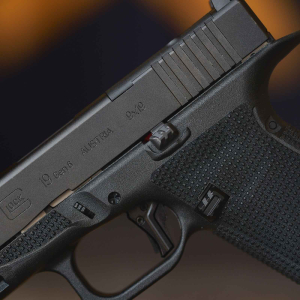
Warning labels are all over absolutely everything in our modern world. These days, warning labels are on food, drinks, electronics, cars, windows, and even cardboard boxes. Warning labels are even on a lot of guns already. In our age of labeling absolutely everything for legal purposes, it seems that the current US Surgeon General (basically the nation's top public health advisor) has issued a health advisory declaring gun violence as a public health crisis - so much so that he suggested that putting similar advisories on ammo and guns to help combat gun violence on a nationwide scale. Today we’ll talk a bit about that, what’s currently being done, and how things might look if regulations were put into place in order to put those labels on guns and ammo.
Surgeon General’s Advisory on Gun Violence
To frame this entire situation we need a bit more detail on the actual instigating arguments and public statements by the current U.S. Surgeon General. Earlier this year, U.S. Surgeon General Vivek Murthy issued a bold health advisory, declaring gun violence a public health crisis. Murthy pointed to over 8,000 reported gun-related deaths and more than 15,000 injuries reported in just the first half of 2024 alone. In his statement, he stressed that gun violence isn’t just a crime issue; it’s a national health crisis that affects all Americans, directly or indirectly. The goal of this advisory was obviously to spark fear and conversations about how to address gun violence and get the American public on board with his statements.
The Proposal: Warning Labels on Firearms and Ammo
Murthy’s suggestion for placing warning labels on guns and ammunition is modeled after the success of cigarette warning labels, which are now a staple in promoting public health awareness. Just like the Surgeon General’s warnings on tobacco products are meant to deter smoking and highlight health risks, similar labels on firearms could remind users of the potential dangers of gun ownership, accidents, and misuse. These labels would be a constant, visible reminder of the responsibility that comes with handling firearms and ammunition.
For example, a label on a box of bullets might say, “Warning: Improper storage and handling of firearms may result in injury or death. Always keep firearms locked and out of the reach of children.”

Would It Make a Difference?
At first glance, it might seem like this is a fairly benign and harmless thing to put into law. After all, gun safety is already heavily emphasized in training and through the culture of responsible ownership - no one wants to injure themselves or anyone else who isn’t trying to hurt them.
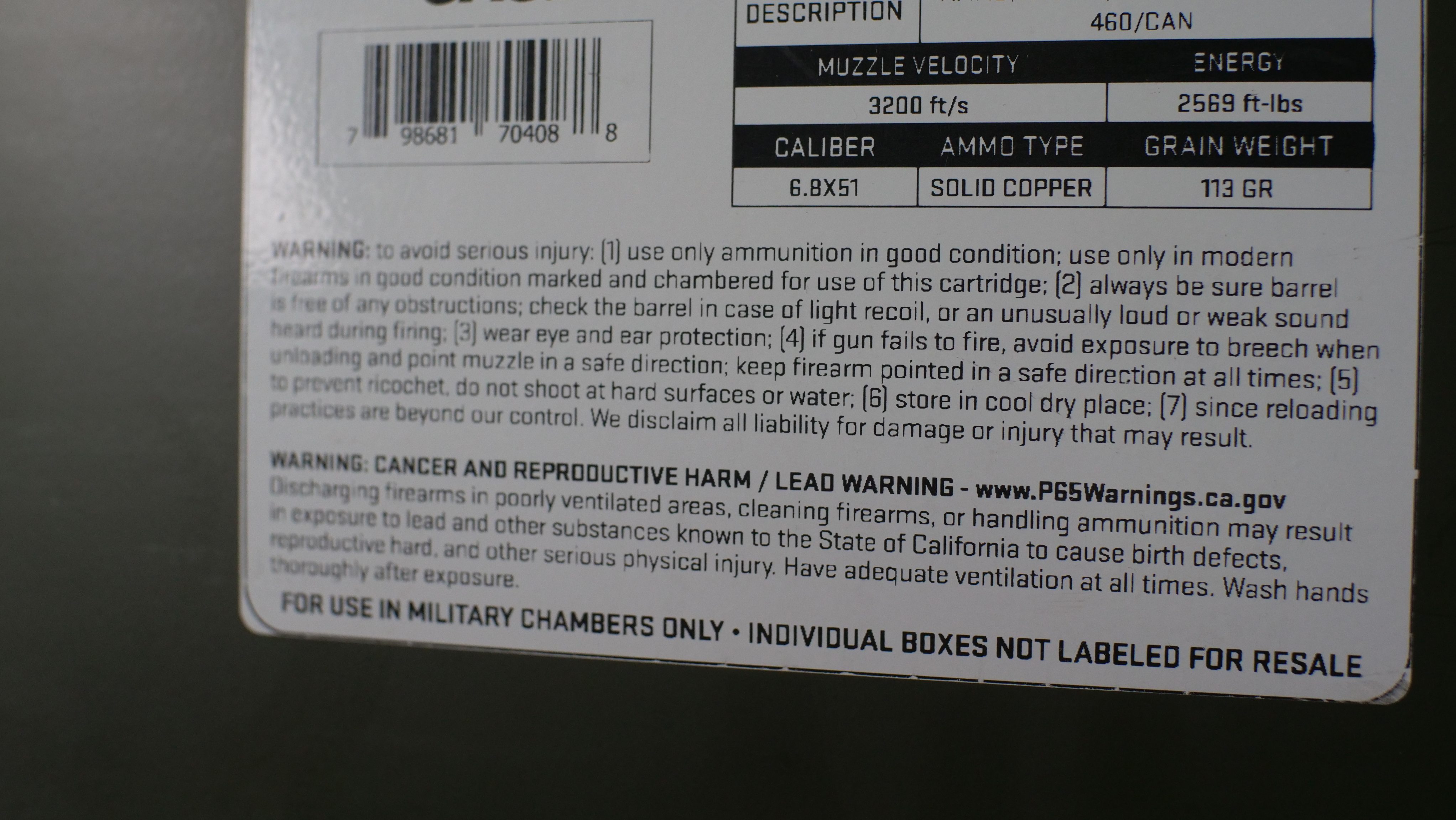
However, just like the cigarette cartons we mentioned before, would the labels do anything? Critics, myself included, argue that warning labels are unlikely to have a significant impact. Some, like me, see it as government overreach, much like how California’s Proposition 65—which warns about harmful chemicals—has sparked frustration because it’s applied so broadly that the warnings seem to appear on everything. Despite being a California initiative, the labels are now found nationwide because manufacturers don’t want to produce separate packaging just for that state. Similarly, there’s concern that labels on guns could follow this path, becoming so widespread that people stop paying attention to them altogether.
Add to that the fact that the firearm industry has already more or less done this - and to an extent that probably surpasses what the Surgeon General is expecting. Firearms generally have all sorts of warnings plastered on the side of the, on the boxes they’re sold in, all over the manuals included in the box, and sometimes even on extra labels attached to the firearms at the time of sale. What good would an additional label be in an already absolutely cluttered firearm frame or ammunition box?
What Happens If This Goes Into Law?
If the Surgeon General’s warning labels became a reality, what would it look like? Practically speaking, it could mean that all new firearms and ammunition sold in the U.S. would come with prominent and or permanent warning labels, much like cigarette packs. Gun manufacturers might need to alter their packaging or include additional safety information. This could even extend to sales restrictions or mandated educational materials for first-time buyers.
Despite the controversy, there’s also potential for this idea to bridge gaps. Gun owners and advocates for gun safety might find common ground by agreeing that education and awareness are critical to reducing gun-related accidents. However, I still find it unlikely that any amount of labeling of firearms would lead to a reduction in gun violence - criminals typically don’t purchase firearms in brand new condition, they don’t buy them legally, and they’re extremely unlikely to read any warning labels attached to their firearms (if they can read at all).
The conversation surrounding Surgeon General warning labels on firearms and ammunition is about more than just a label—it’s about how we, as a society, address gun violence. Whether it’s through proper public awareness, health initiatives, political debate, or new legislation, it’s clear that the issue is one of the hot topics during an election year, but it’s one that I think ultimately goes nowhere. The real challenge “gun violence” lies in finding the real cause for the violence in the first place, simply slapping a warning label on a gun and some ammo warning people about said violence is almost literally like putting the Surgeon General’s warnings on tobacco products - the people who have the means, money, and drive to do it are going to do it anyway.
As this discussion continues, one question remains: Could a simple label really make a difference, or would it become just another piece of regulatory noise, much like Prop 65? Only time—and public debate—will tell and we’d obviously love to hear your thoughts on this one, although, if you’re a customer of Tyrant CNC, I think we already know where you land on the subject.