When modifying your firearm for quicker reloads, many shooters turn to magwells and magazine extensions. While both components offer significant advantages—such as faster mag changes and increased capacity—stacking them without careful consideration can create pinch points that make reloading awkward or even painful. In this article, we’ll explore how to combine magwells and extensions for optimal performance while avoiding the common pitfalls that can hinder your reload efficiency.

How Magwells and Extensions Impact Reloads
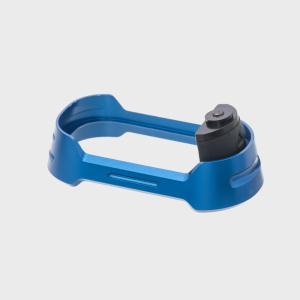
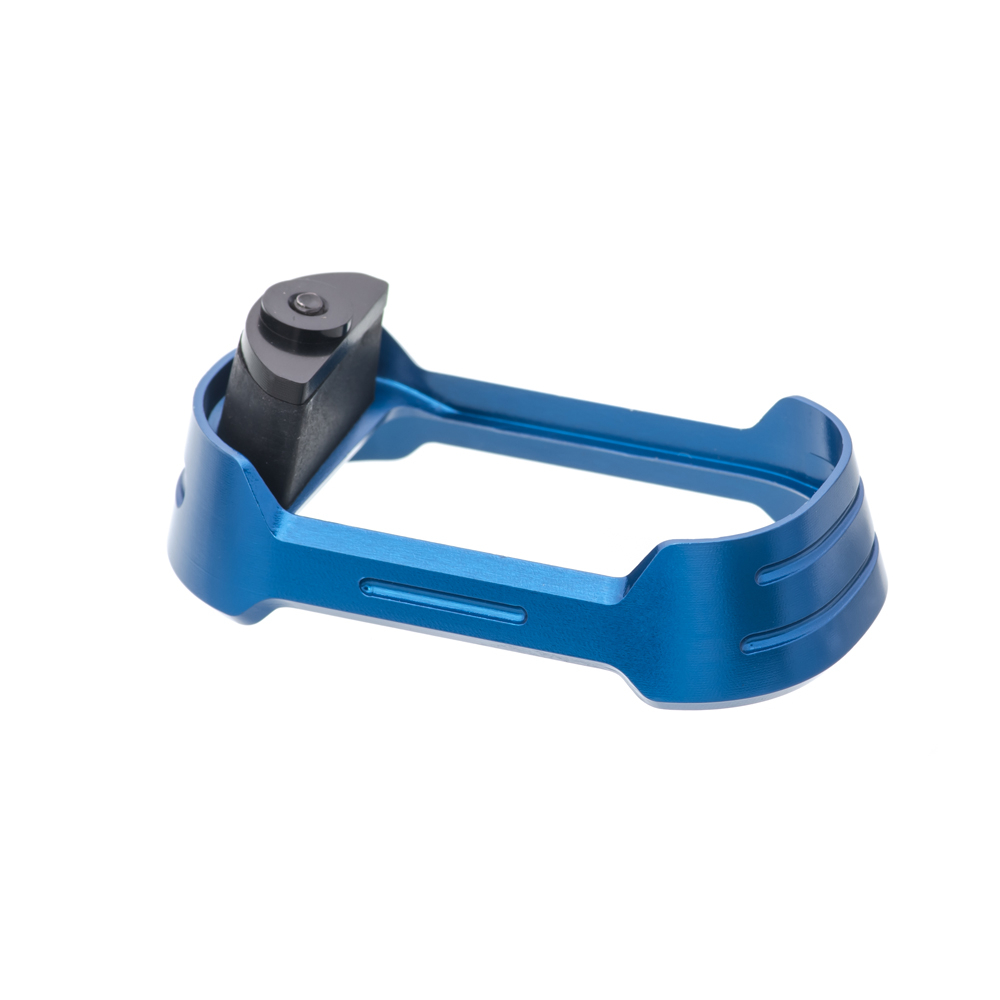
Magwells and magazine extensions are often added to firearms to improve reload times and handling. However, combining the two can have unintended consequences. A magwell flares the magazine well to guide magazines into place more easily, while extensions add extra rounds and length to the magazine. Together, they can enhance reload speed—but only if they're paired properly.
What Are Pinch Points, and How Do They Happen?
A pinch point occurs when parts of the firearm or accessories interfere with the natural movement of your hand during a reload. In the case of magwells and extensions, this typically happens when the extension adds significant length to the magazine and the magwell becomes too large to accommodate it comfortably. This mismatch can create friction during the reload process, making it harder to insert the magazine smoothly.
Common Causes of Pinch Points
-
Overly Large Magwell: If the magwell is too flared, the increased surface area can cause the extended magazine to get caught or misaligned during insertion.
-
Magazine Extension Length: Extensions that add too much length can interfere with the magwell’s opening or even extend past the bottom of the grip, increasing the likelihood of a pinch during the reload.
-
Improper Grip Position: The wrong grip position or hand placement can exaggerate pinch points, especially when working with larger magwells or extended magazines.
How to Choose the Right Magwell and Extension Combination
When choosing a magwell and extension, it's essential to consider their compatibility and how they work together. Here are some tips to help you avoid pinch points and optimize your reload efficiency:
1. Balance Magwell Size and Magazine Extension Length
While a large magwell can guide the magazine into place more easily, it also requires careful consideration when using extended magazines. If the extension is too long for the magwell, you may experience issues with insertion. Look for magwells with a moderate flare—enough to aid magazine insertion, but not so large that it interferes with extended magazine fitment.
2. Choose Mag Extensions That Are Proportional to Your Magwell
Mag extensions come in a variety of sizes, so choosing the right one for your setup is essential. Make sure the extension does not protrude too far past the base of the grip, as this can create clearance issues. Most shooters find that a slight extension, typically +2 or +3, provides a good balance of capacity and functionality without introducing pinch points.
3. Test Different Configurations
While it's possible to look at specifications online, the best way to find the perfect combo is to test your magwell and extension together. Try reloading with different hand placements and speeds to check for interference. If you feel resistance or experience inconsistent magazine insertion, you may need to adjust your magwell or extension choice.
4. Consider Grip and Hand Placement
Good grip and hand placement are critical to ensuring efficient reloads. When using extended magazines and magwells, ensure your hands are positioned correctly so that you’re not inadvertently causing interference. A high grip on the magazine with the fingers close to the base can help smooth out the reload process and minimize any potential for pinch points.
Training to Mitigate Reload Issues
Once you’ve selected your magwell and extension combo, proper training becomes essential. Consistent dry-fire practice and live-fire drills can help you develop muscle memory for fast, efficient reloads. This practice is especially important when using extended components, as they introduce new dynamics into your reload technique.
Did you know?
Many competitive shooters rely on a well-balanced magwell and extension combo to cut reload times. The right combination can shave critical milliseconds off your total time, especially in high-speed stages where precision and efficiency are key.
Conclusion: Mastering the Reload with the Right Components
Magwells and magazine extensions are excellent upgrades that can enhance your reload speed and capacity, but they must be paired carefully to avoid pinch points that slow you down. By selecting the right combination of magwell and extension, and testing your setup, you can achieve the ideal balance of fast, efficient reloads and smooth handling. With the right setup and consistent practice, you’ll be able to reload quickly and confidently, no matter the situation.
For precision-machined magwells and magazine extensions designed to streamline your reloads, explore Tyrant CNC handgun upgrades.
FAQs
1. Can I use any magwell with any magazine extension?
Not always. Ensure that the size of the magwell is compatible with the extension’s length and that the magazine fits securely in the well.
2. How can I tell if my magazine is fitting properly into the magwell?
Check for smooth insertion with no resistance. The magazine should seat firmly without forcing it, and there should be no friction when pushing it into place.
3. Will a larger magwell always improve reloads?
Larger magwells help guide the magazine in more easily but may create clearance issues when combined with extended basepads. A moderate-sized magwell often works best for a variety of setups.
4. How do I know if my extended magwell is too large?
If the magazine feels loose or you experience resistance during insertion, the magwell may be too large. Test with multiple mags to ensure consistent performance.
5. Should I choose a +2 or +3 extension for concealed carry?
For concealed carry, a +2 extension is generally the better choice as it adds capacity without overly increasing the length or bulk of the firearm.