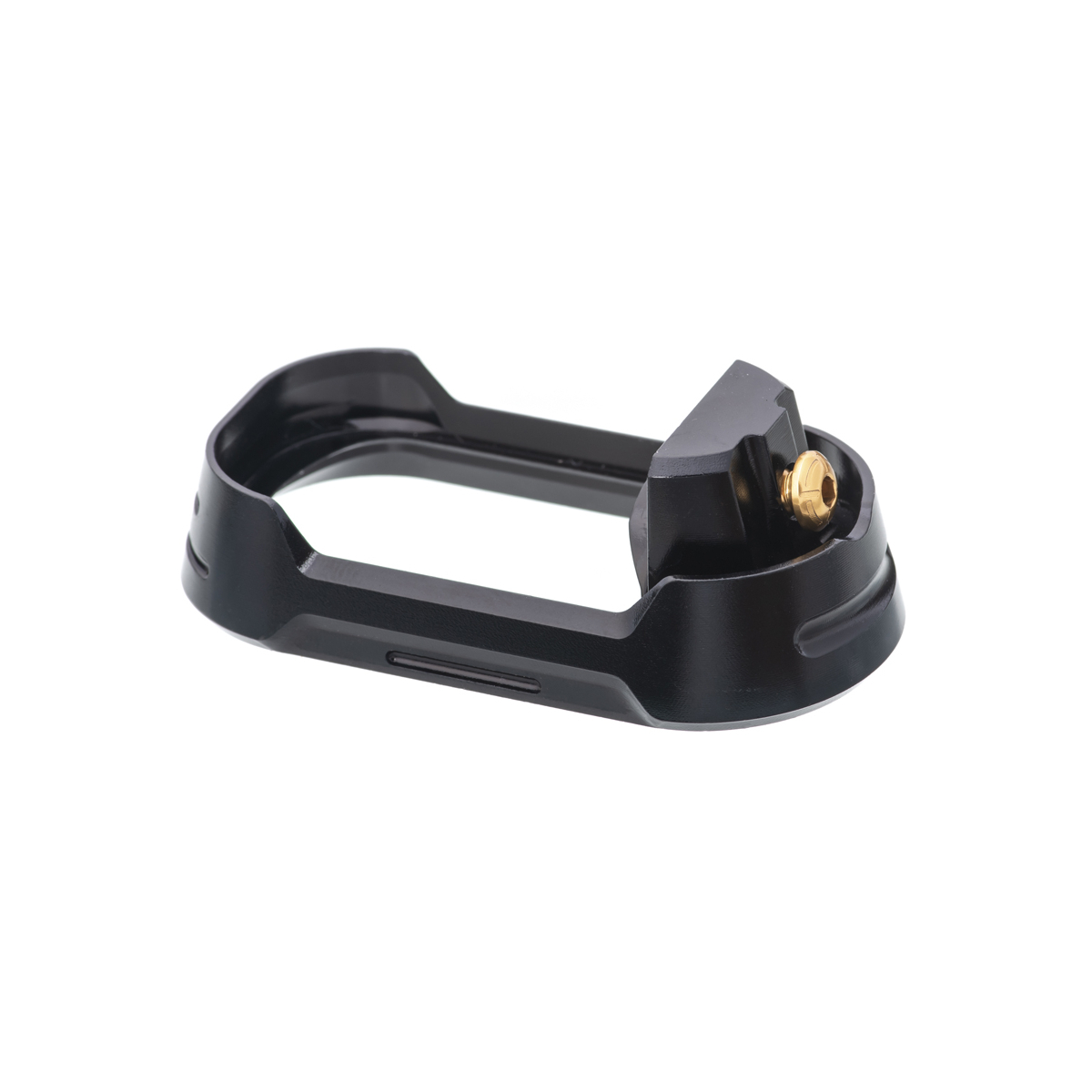
Adding a magwell can dramatically improve reload speed and grip consistency—but it can also introduce fit issues with holsters if measurements aren’t considered upfront. Many shooters assume holster compatibility is frame-based only, when in reality, magwell geometry plays a major role in retention, draw feel, and comfort. This guide walks through exactly what to measure before buying a holster when running a magwell.
Why Magwells Change Holster Compatibility
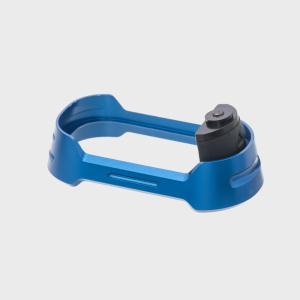
Magwells alter the lower profile of the grip, adding width, depth, or flare depending on design. While the slide and trigger guard usually remain unchanged, the magwell can contact the holster mouth, belt attachment, or body side—causing binding, poor retention, or discomfort during carry.
Key Measurements That Matter
Overall Grip Width at the Magwell
Measure the widest point of the magwell flare. Some designs extend outward more than factory grip frames, which can interfere with holsters that have a narrow or reinforced mouth.
-
Pay attention to outward flare, not just rearward extension
-
Compare width against holster opening dimensions
Magwell Depth (Rearward Extension)
Depth determines how far the magwell extends below the grip. Excessive rearward depth can press into the holster body or belt line, especially in appendix or strong-side carry.
-
Measure from the backstrap to the lowest magwell point
-
Deeper magwells increase printing risk
Front Edge Geometry
The front edge of a magwell is often overlooked. Sharp or aggressive forward lips can catch on holster material during the draw or reholster process.
-
Chamfered or beveled edges reduce interference
-
Straight drop profiles are generally more holster-friendly
Holster Style Considerations
Appendix Carry
Appendix carry is the most sensitive to magwell size. Even small increases in grip bulk can affect comfort when seated or bending.
Strong-Side IWB
Strong-side carry tolerates slightly larger magwells, but holster cant and belt height become more important to avoid pressure points.
OWB and Range Holsters
OWB holsters are generally the most forgiving. Most magwell-related issues here are limited to retention adjustments rather than physical fit.
Retention and Draw Feel
Magwells do not typically affect trigger-guard-based retention, but they can influence how the grip clears the holster mouth. A well-matched setup should allow a smooth, uninterrupted draw without additional resistance at the bottom of the grip.
Did you know?
Many holster “fit issues” blamed on magwells are actually caused by belt height and ride depth—not the magwell itself.
Conclusion: Measure First, Buy Once
Magwells add real performance benefits, but only when the rest of the carry system supports them. By measuring grip width, magwell depth, and edge geometry before choosing a holster, you avoid common fit issues and ensure a smooth draw and comfortable carry. Thoughtful pairing keeps your setup functional—not frustrating.
For low-profile, holster-conscious designs engineered to integrate cleanly with carry setups, explore precision-machined magwell options.
FAQs
1. Will any magwell fit my existing holster?
Not always. Compatibility depends on magwell size and holster mouth design.
2. Do kydex holsters handle magwells better than leather?
Generally yes, due to adjustable retention and rigid structure.
3. Can I heat-mold a holster to fit a magwell?
Some kydex holsters can be adjusted, but results vary by design.
4. Does magwell size affect concealment?
Yes. Larger magwells increase grip bulk and printing risk.
5. What’s the safest way to test fit?
Test unloaded, confirm smooth draw and reholster, and check comfort in seated positions.