Hardcoat anodizing provides a durable, corrosion-resistant finish that improves the longevity and aesthetics of firearms, components, and other equipment. However, as durable as anodizing is, wear patterns can develop over time. Distinguishing between normal finish rub and potential fitment problems is crucial to maintaining functionality and ensuring your gear stays in top condition.
This guide explains how to identify acceptable wear patterns from hardcoat anodizing and when to take corrective action for fitment issues.
What Is Hardcoat Anodizing?
Hardcoat anodizing is a thicker, more durable version of the standard anodizing process. It creates a protective oxide layer that bonds to the surface of metal parts, typically aluminum. This finish is known for:
-
Exceptional wear resistance
-
Improved corrosion resistance
-
Increased hardness
While it's an ideal choice for protecting parts that endure heavy use, even hardcoat anodized finishes can develop wear marks under certain conditions.
Where Finish Rub is Normal
Some wear is completely normal, especially in areas where friction or contact with other parts is inevitable. Understanding these normal wear patterns can help you distinguish between regular use and potential issues.
High-Traffic Contact Points
Parts that experience consistent friction, such as the contact points on your firearm or other equipment, will inevitably show signs of wear. This can include:
-
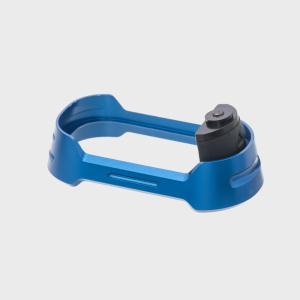
Light rub marks on high-contact areas like the magwell or rails
-
Minor wear where components move against each other
-
Small scratches where parts rub during assembly or reassembly
These marks are generally superficial and don’t affect the functionality of the item.
Wear from Repeated Handling
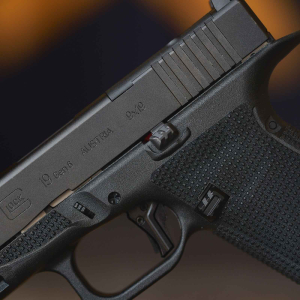
Frequent handling, especially with parts that are frequently disassembled or reassembled (like firearm slides), can cause normal anodizing rub. These marks typically appear along the contact points between moving parts, like where the slide rubs against the frame.
Typical Areas of Normal Wear
-
Magazine wells
-
Slide rails
-
Recoil spring guide rods
-
Trigger guards
These areas will inevitably show wear after extended use but do not indicate a fitment issue.
When to Be Concerned: Fitment Problems vs Normal Wear
While some rub marks are to be expected, excessive wear in certain areas may signal a fitment issue or improperly installed parts. Here’s how to differentiate between normal wear and a problem that needs attention.
Excessive Wear in Unusual Areas
If you notice wear on parts where friction shouldn’t occur—like the exterior of the firearm or areas that don't come into regular contact—there could be an issue with how components fit together.
Overly Heavy or Deep Scratches
Superficial rub marks are normal, but heavy scratches or gouges in the anodizing could be a sign of an alignment or installation issue. These deep scratches can affect the integrity of the finish, making it more vulnerable to further wear or corrosion.
Misaligned Components
Misalignment between parts, such as a slide that’s not fully seated or a rail that’s improperly mounted, could cause excessive rubbing that wears down the finish prematurely.
How to Prevent Unnecessary Wear
Ensure Proper Fitment
Proper fitment of all parts ensures that there’s minimal movement or friction where it’s not supposed to be. Always check that components are aligned and properly installed before use.
Use Lubrication and Grease
Lubricating high-contact areas can reduce friction and prevent unnecessary wear on anodized surfaces. Use lubricants or greases that are designed for your firearm or equipment to ensure smooth operation without damaging the finish.
Avoid Over-Tightening Parts
Over-tightening parts can cause misalignment and undue pressure on certain areas, resulting in unnatural friction and wear. Always follow the manufacturer's torque specifications when assembling parts.
Did You Know?
Anodizing wear can sometimes be reduced with a properly applied coating of dry lubricant, which helps reduce friction between moving parts while preserving the finish.
Conclusion
Understanding the difference between normal anodizing wear and potential fitment issues is crucial for preserving the longevity of your equipment. Regular maintenance, proper installation, and appropriate handling all help ensure that your anodized parts continue to perform as intended. If you're looking for durable, high-quality components, explore our selection of AR-15 handguards and rails designed to handle the toughest environments.
FAQs
What is normal anodizing wear?
Normal anodizing wear appears on areas of high contact or friction, such as the magwell or slide rails, and is usually superficial.
How do I know if the wear is due to a fitment issue?
Excessive wear in areas where no friction should occur, or deep scratches in unusual areas, may indicate a fitment or alignment issue.
Can I prevent anodizing wear?
Regular cleaning, lubrication, and proper fitment help prevent excessive anodizing wear and maintain the integrity of the finish.
Are there any signs that I need to replace parts?
If you notice heavy gouging or deep scratches, it may be time to replace or realign the affected parts to prevent further damage.
Can I restore worn anodizing?
While you can’t restore anodizing to its original state, minor scratches can be touched up with matching paint or coating to maintain aesthetics.