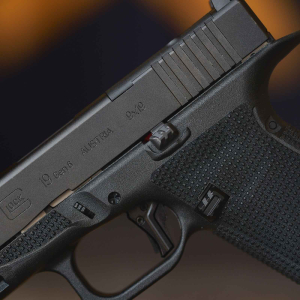
Glock triggers are one of the most frequently upgraded components, with many shooters opting for enhanced performance by swapping out trigger bars. However, not all trigger bars are created equal, and compatibility between Gen 3 and Gen 4 models can be tricky. If you don’t check compatibility before purchasing, you could end up with a part that doesn’t fit or function as expected.
This guide will help you understand how to identify trigger bar compatibility between Gen 3 and Gen 4 Glock pistols, ensuring a smooth upgrade without surprises.
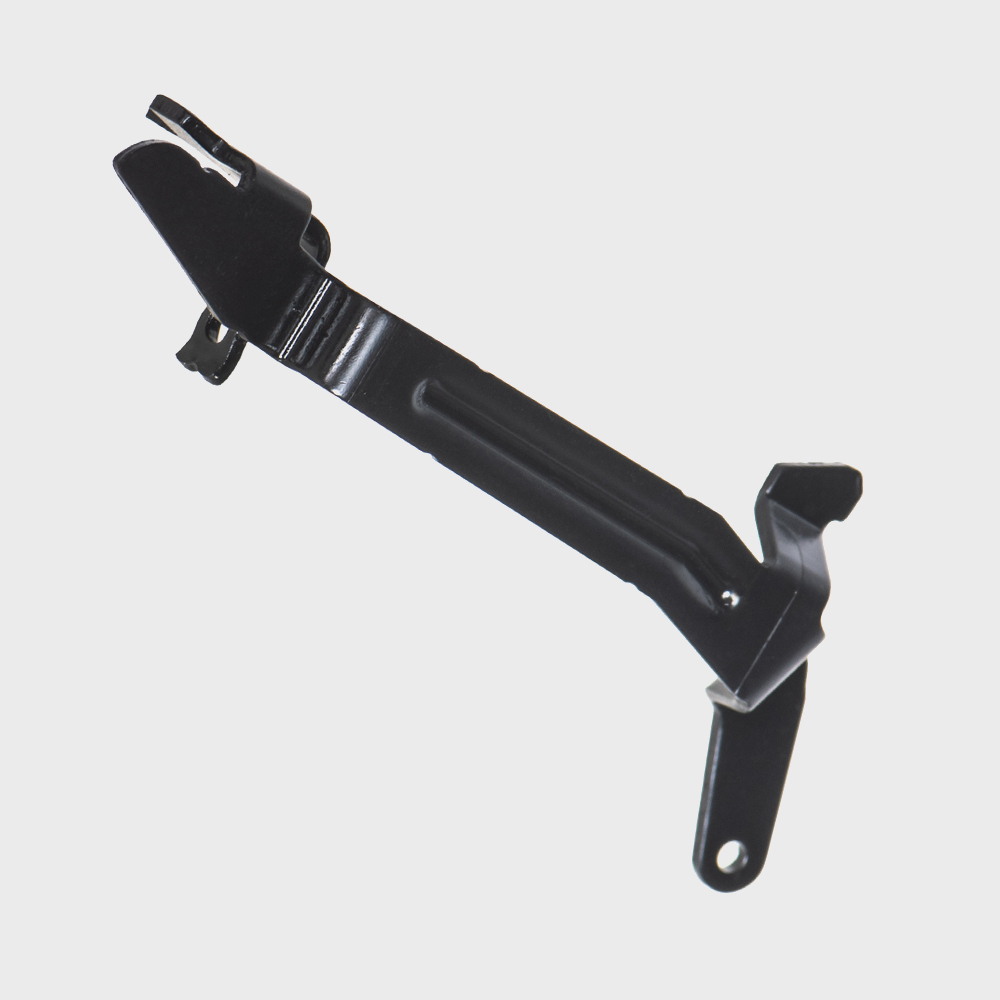
Understanding the Difference Between Gen 3 and Gen 4 Trigger Bars
Glock pistols have seen many upgrades over the years, and while many components remain similar between generations, the trigger mechanism is one of the areas where significant differences exist. Gen 3 and Gen 4 models, although they share many components, have subtle differences in their trigger bars that can affect compatibility.
Gen 3 Trigger Bar
-
Designed with a specific geometry that fits the earlier Glock frames
-
More straightforward in design with less internal clearance
-
Common in models like the Glock 17, 19, 22, etc.
Gen 4 Trigger Bar
-
Redesigned to work with the dual recoil spring system used in Gen 4 models
-
Features a different trigger bar connector and additional clearance for smoother operation
-
Incorporates changes to the trigger housing and frame
These differences in design mean that Gen 3 trigger bars are not directly interchangeable with Gen 4 models, and vice versa, without considering other factors such as frame geometry and trigger housing.
Key Factors to Check for Compatibility
1. Frame Design
The most obvious factor when considering trigger bar compatibility is the frame design. Gen 4 Glocks have slightly modified frame dimensions, which can affect how components fit together.
-
Gen 3 models have a more traditional frame with simpler geometry.
-
Gen 4 models feature a slightly different frame structure that accommodates the dual recoil spring system.
If you attempt to install a Gen 3 trigger bar in a Gen 4 frame, it may not function properly due to this slight change in frame geometry.
2. Trigger Housing and Connector
Another important factor is the compatibility between the trigger bar and the trigger housing. The Gen 4 trigger housing has slightly different dimensions and may require a Gen 4-specific connector to maintain proper operation.
-
Gen 3 trigger bars work with the Gen 3 housing and connector setup.
-
Gen 4 trigger bars require the Gen 4 housing and connector for optimal performance.
Using the wrong housing or connector may lead to inconsistent trigger pull, failure to reset, or a malfunctioning safety feature.
3. Trigger Bar Connector
The connector is the piece that links the trigger bar to the rest of the trigger mechanism, and it plays a crucial role in how the trigger feels during operation.
-
Gen 3 connectors are designed for the geometry of the Gen 3 trigger bar.
-
Gen 4 connectors have been optimized for the slightly different geometry of the Gen 4 trigger bar.
Ensure that the connector matches the trigger bar you’re using to maintain proper function. If you use a Gen 3 connector with a Gen 4 trigger bar, or vice versa, it may result in issues such as a heavy or inconsistent trigger pull.
4. Other Considerations
Trigger Weight and Feel
Another important consideration is the difference in trigger weight and feel. Even if a Gen 3 trigger bar can fit into a Gen 4 frame with the proper housing and connector, the trigger pull may not feel the same due to differences in the geometry of the bars.
If you’re upgrading to a Gen 4 trigger bar in a Gen 3 gun, be prepared for some changes in the trigger pull, whether it’s a lighter or heavier pull, depending on the specific bar and components used.
Aftermarket Compatibility
If you’re using aftermarket parts (e.g., extended trigger bars or enhanced connectors), double-check the manufacturer’s recommendations regarding compatibility between generations. Some aftermarket components are designed to fit both Gen 3 and Gen 4 models, but others may be specific to one generation or the other.
Step-by-Step Compatibility Check
-
Step 1: Verify your Glock model and generation (Gen 3 or Gen 4).
-
Step 2: Confirm whether you are working with OEM or aftermarket components.
-
Step 3: Compare the frame and trigger housing dimensions to ensure the trigger bar fits properly.
-
Step 4: Check the connector compatibility (Gen 3 vs Gen 4).
-
Step 5: Install the trigger bar, housing, and connector, and test for proper function and trigger feel.
Did You Know?
While the trigger bars in Gen 3 and Gen 4 are not directly interchangeable, some aftermarket manufacturers offer components that bridge the gap, allowing for more flexibility in upgrades.
Conclusion
Upgrading your Glock with a new trigger bar is an easy way to enhance performance, but it's important to ensure compatibility before making the swap. By following these guidelines and considering factors like frame design, housing, and connector, you can avoid common pitfalls and ensure a smooth installation. For reliable Glock parts and upgrades, explore our selection of Glock-compatible components designed for precision and durability.
FAQs
Can I use a Gen 3 trigger bar in a Gen 4 Glock?
No, Gen 3 and Gen 4 trigger bars are not directly interchangeable due to differences in the frame and connector requirements.
Will my Gen 4 Glock trigger work with a Gen 3 trigger bar?
It is not recommended. The geometry differences between the Gen 3 and Gen 4 trigger bars may result in inconsistent performance or malfunction.
What happens if I use a Gen 3 connector with a Gen 4 trigger bar?
This can lead to inconsistent trigger pull and may affect the function of the trigger mechanism, including resetting or safety features.
How can I ensure compatibility between Gen 3 and Gen 4 components?
Check the manufacturer’s specifications for the parts you are using and confirm that the frame, trigger housing, and connectors match the generation of your firearm.
Can aftermarket parts solve the compatibility issue between Gen 3 and Gen 4?
Yes, some aftermarket manufacturers offer parts that are compatible with both Gen 3 and Gen 4 Glocks. Be sure to verify the compatibility before purchasing.