Forced Reset Triggers (FRT) have become a focal point in the ongoing debate over firearm regulations in the United States. These devices, designed to increase the rate of fire of semi-automatic rifles, have sparked legal challenges and policy shifts. This article explores what is an FRT trigger, how they function, and the current legal landscape surrounding their use as of 2026.
What Is a Forced Reset Trigger?
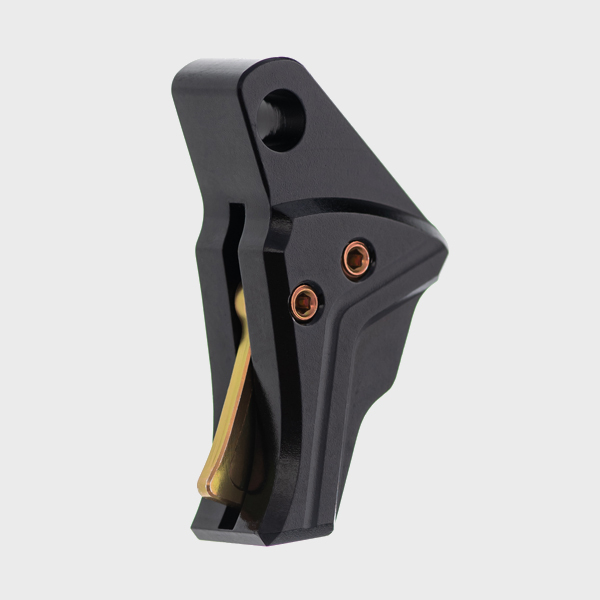
An FRT is a firearm modification that allows a semi-automatic rifle to fire more rapidly without converting it into a fully automatic weapon. Unlike traditional triggers, which require the shooter to release and pull the trigger for each shot, an FRT Triggers uses the firearm's recoil to automatically reset the trigger, enabling faster subsequent shots. However, the shooter must still pull the trigger for each shot; the device merely facilitates a quicker reset between shots.
How Do Forced Reset Triggers Work?
FRTs operate by utilizing the firearm's bolt carrier group (BCG) motion. Upon firing, the BCG moves rearward, cycling the action and resetting the trigger. This mechanism allows the shooter to maintain pressure on the trigger, facilitating a faster rate of fire compared to standard semi-automatic triggers. It's important to note that while FRTs increase the rate of fire, they do not convert a firearm into a fully automatic weapon, as each shot still requires a separate trigger pull.
Did you know?
Forced Reset Triggers (FRTs) can increase a firearm's rate of fire by utilizing the firearm's recoil to reset the trigger, allowing faster follow-up shots, but they do not convert the firearm into a fully automatic weapon.
The Legal Landscape in 2026 for FRT trigger
The legal status of FRTs has been contentious and has undergone significant changes in recent years:
2024: Judicial Rulings
In July 2024, a federal judge in Texas ruled that the Bureau of Alcohol, Tobacco, Firearms and Explosives (ATF) had overstepped its authority by classifying FRTs as machine guns. The judge cited the Supreme Court's decision in Garland v. Cargill, which found that bump stocks did not meet the statutory definition of a machine gun. This ruling invalidated the ATF's ban on FRTs, allowing their continued sale and possession in jurisdictions where they are legal.

2025: Policy Shifts and Legal Challenges
The Trump administration reached a settlement with Rare Breed Triggers, a manufacturer of FRTs, permitting the sale of these devices under specific conditions. The settlement reversed the previous administration's stance and allowed the return of previously seized devices. However, this decision has faced opposition, with 16 states filing a lawsuit to block the distribution of FRTs, citing public safety concerns and potential violations of federal law.
2026:Current Status and Considerations
As of 2026, the legality of FRTs varies by jurisdiction. While federal law permits their sale and possession following the recent settlement, some states have enacted their own regulations prohibiting these devices. Individuals interested in acquiring or possessing an FRT should consult local laws and regulations to ensure compliance.
Conclusion
Forced Reset Triggers represent a complex intersection of firearm technology, legal interpretation, and public policy. While they offer increased firing rates without converting firearms to fully automatic status, their legal status continues to evolve. Staying informed about current laws and regulations is essential for firearm owners and enthusiasts to navigate this dynamic landscape.
FAQs
1. Are FRT Triggers legal in all states?
No, the legality of FRTs varies by state. While federal law permits their sale and possession, some states have enacted laws prohibiting these devices. It's important to check local laws to determine their legality in your area.
2. Do FRTs convert a semi-automatic rifle into a fully automatic weapon?
No, FRTs do not convert a firearm into a fully automatic weapon. They increase the rate of fire by facilitating a quicker trigger reset, but each shot still requires a separate trigger pull.
3. Can I legally possess an FRT if it was previously seized by the ATF?
If your FRT was seized by the ATF, the recent settlement may allow for its return. However, possession is still subject to state and local laws, so it's crucial to verify its legality in your jurisdiction.
4. How can I determine if an FRT is legal in my state?
To determine the legality of an FRT in your state, consult your state's firearm laws or contact a legal professional specializing in firearm regulations.
5. Are there any restrictions on the sale of FRTs?
Yes, the recent settlement allows for the sale of FRTs under specific conditions, including restrictions on developing similar devices for handguns and enforcing patents to prevent imitation products. Always ensure compliance with both federal and state regulations when purchasing firearm accessories.