If you’ve done it you always loathe it but if you haven’t yet you’re probably dreading it. Let's face it, even here in the relatively gun-friendly USA, traveling with firearms can be a bit intimidating, especially when flying on a commercial airline. However, with proper preparation and knowledge of the rules and regulations of where you’re flying and who you’re flying with, you can prematurely relieve a lot of that stress and overall, have a much smoother flying experience - even with your guns. I have flown with guns all across the United States and I’ve got a fair bit of experience, as well as some tips and tricks I can offer you to take along with you on your firearm journeys. Most of the information we need comes directly from the Transportation Security Administration’s website. So if you want to check it out for yourself go ahead and follow this link, otherwise, I’ll be distilling the most important bits of information from their guide in this article.
Understand Federal Regulations
This should go without saying, but if you run afoul of any federal regulations with your firearms, you’re already doing something wrong. Before you even begin packing your firearms for a flight, it’s crucial to understand the federal regulations governing the transportation of firearms on commercial airlines, below are a few simplified regulations that the TSA has for flying with firearms on commercial airlines:
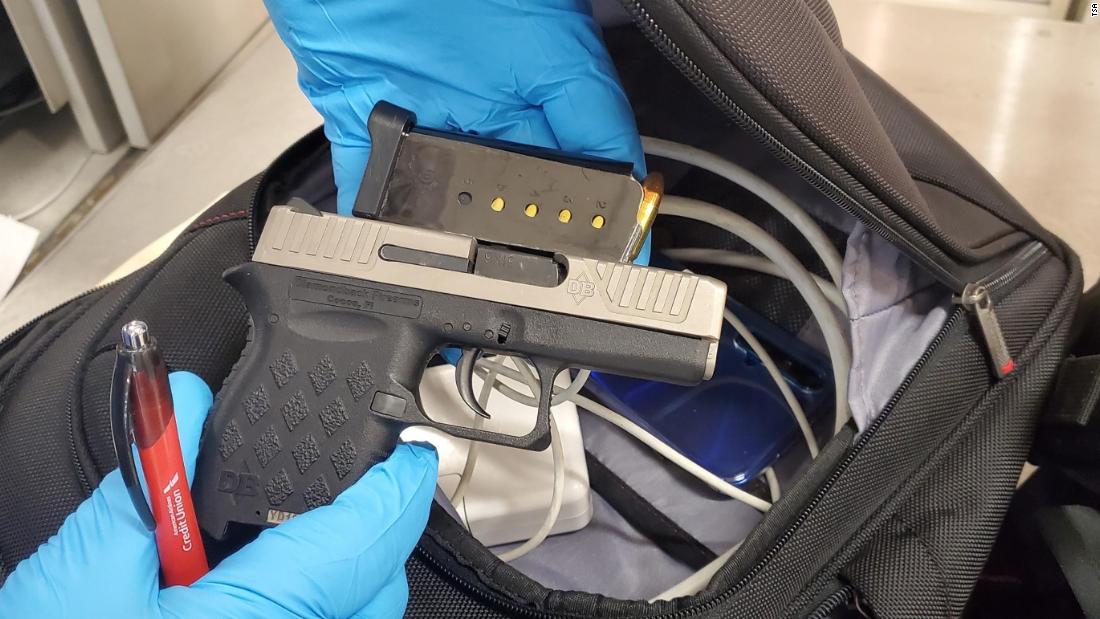
Firearms Must Be Unloaded: All firearms must be unloaded when transported on a commercial flight. This means there should be no ammunition in the firearm itself.
This is more or less just a safety issue - loaded guns are already dangerous enough on their own and handing a loaded gun over to an unsuspecting airline or TSA employee isn’t just unsafe, it’s also pretty careless. Unload all of your firearms and any magazines you’re flying with and store them in a separate box that you can also place inside your case.
Transport in a Hard-Sided Case: Firearms must be stored in a hard-sided, lockable case. The case must be securely locked, and only you should retain the key or combination.
This is something that I’ve had some pushback on in recent times. Most of the affordable hard-sided cases are a no-go these days as airline employees see them as being too insecure to be transported through the airline system. You’ll want to pick up something thick that can’t be pried open easily. I’ve had one airline gate agent say that since she was able to simply pry my hard-sided case open by a fraction of an inch (a pinky’s width) it wasn’t suitable for their standards - your mileage can and will vary since a lot of these regulations are not followed through with to the same standard at every airline.
Declare at Check-In: You are required to declare your firearm and any accompanying ammunition at the airline check-in counter. Do not attempt to declare your firearm at the security checkpoint.
Don’t say “I have a gun!” Instead you simply just say “I need to declare a firearm” or “I need to check in a firearm.” I promise that the airline employee won’t freak out if you use either of these two terms. Broadly speaking, most of the airline check-in desk people will be familiar with how to process the firearm as checked baggage for you. They’ll typically ask you to open the case to place a small card with your flight information inside, and they might take this time to briefly and lazily check to see if your firearms are unloaded - most of the time I don’t think that airline employees know what they’re looking for and I’ve heard stories of people being told they had to have ammo and magazines in a separate locked case - this isn’t true at any airline that I am aware of.
Ammunition Regulations: Ammunition must be securely packed in fiber, wood, or metal boxes, or other packaging specifically designed to carry small amounts of ammunition. Most airlines allow a small amount of ammunition to be packed in the same hard-sided case as the firearm, but it must be in its own secure container.
Most airlines will allow you to travel with up to 11 lbs of ammunition in your checked luggage. So if you don’t mind going pretty light on clothes, you can transport quite a bit of ammunition if you’re headed out of your home state for a competition shoot. Just make sure that the ammo is not in any magazines and in some sort of “container.” I’ve used plastic Tupperware as an ammo container without issue. The basic thing they’re looking for here is that there isn’t any loose ammo floating around inside of the case.
Check Airline-Specific Policies
We’ve kind of alluded to these already above but In addition to federal regulations, each airline may have its specific policies regarding the transportation of firearms. It’s important to check with your specific airline or airlines before your trip to make sure you won’t run into any problems along the way. By and large, most airlines follow the same basic rules but have individual authority when it comes to how they choose to handle the check-in and handling process after the TSA screens the luggage.
Weight Limits for Ammunition: Some airlines have strict weight limits on how much ammunition you can transport. Make sure your ammunition does not exceed these limits. For the most part, you can expect to bring about 11 pounds of ammunition of any variation and any type you want. Some airlines allow up to 14 pounds of ammunition in checked luggage. Ammunition doesn’t need to be in the same locked hard-sided case as your firearms but it can if you’d like it to. Otherwise, you can just put your ammo in the correct type of container inside your regular checked luggage.
Most airlines will charge you extra for larger or heavier checked luggage and this typically applies to gun cases with several firearms in them. Part of the problem is that the cases are so heavy that most of the weight is taken up by the case itself - not the firearm. Lighter-weight cases are great for making sure you don’t run into extra baggage fees. Removing ammo from your gun case and putting it in your regular checked luggage can also help avoid going overweight.
The Check-In Process
When you arrive at the airport, follow these steps to declare and check your firearm. Give yourself extra time to check in when traveling with a firearm. The process may take longer than usual, especially during peak hours. I have had several experiences where I have come close to missing my flights because of the excess time that the TSA sometimes takes to ensure your firearms have passed inspection for transportation.
The first thing to do is head straight to the checked baggage desk - do not use the self-check-in kiosks. Inform the airline representative at the check-in counter that you are traveling with a firearm. You will be asked to fill out a declaration form stating that the firearm is unloaded and properly secured you’ll have to sign it and put your phone number on it as well. The airline may ask to inspect your firearm and ammunition to ensure they comply with regulations. Be prepared to open your case for this inspection. As I said earlier, this seems more like a customary thing rather than an official inspection - I don’t believe most of these representatives know what they’re looking for.
Once the inspection is complete, securely lock your case. Ensure that only you retain the key or combination. One lock on each locking point on your case should suffice and also alleviate any lingering fears the airline desk agents might have. After your firearm is checked in, you will typically have to wait while it is screened but you could also be escorted with your firearm to a separate location to be screened separately. Either way, you will receive a baggage claim receipt. Keep this with you for reference when picking up your firearm at your destination in case they want to see it, however, most of the time they’ll just be looking for your government-issued photo ID.
Once the firearm is in the airline system (after TSA inspection and hand-off to the airline) it is technically no longer your responsibility. Your airline will transport the firearm on the same plane as you to your final destination where you can pick it up near the baggage claim area. For now, just sit back and enjoy your flight!
Touchdown - What to do after Landing
When you arrive at your destination, your firearm will typically be handled with extra care by the airline, they know it’s a firearm and while it doesn’t seem likely, firearms are stolen quite often from airports and often never show up again. It’s important to get to the baggage claim area as soon as possible after landing to ensure you’re present when the firearm shows up.
Most airlines will not send firearms to the regular baggage claim carousel. Instead, they will be sent to a special handling area, typically the airline’s baggage handling office which should be in the same area as the baggage claim carousels. Check with airline staff if you’re unsure where this area is. Be prepared to show identification and or your baggage claim receipt when picking up your firearm. This is to ensure that only you, the authorized person, receive the firearm. Finally, Before leaving the airport, inspect your firearm to ensure it is in the same condition as when you packed it. Report any damage or issues to the airline immediately. This hasn’t ever happened to me but I’ve noticed that my cases have been scuffed up quite a bit when reaching a destination!
Conclusion
Flying with firearms doesn’t have to be a stressful experience. At this point, it’s pretty regular business for me and I more or less know what to expect and do every time I go to the airport. There will always be those odd cases where the TSA or an Airline employee does something not exactly according to the rule book. In those cases, it’s best to simply not cause trouble, but also use their own rulebook against them, ask for a supervisor, and most importantly make sure you’re the one that’s not breaking the rules. By following these tips and tricks, you can almost guarantee that your journey will be smooth, safe, and hassle-free for both you and your firearms. Whether you’re traveling for a hunting trip, a shooting competition, or just like to have your CCW for personal defense on vacation, preparation is key to a successful travel experience with guns.