Cold weather exposes weaknesses in pistol setups that run flawlessly in warm conditions. Lower temperatures thicken lubricants, stiffen materials, and reduce slide velocity—especially when combined with hotter defensive ammo or heavier +basepads. Spring rates that feel “perfect” in summer can become marginal in winter. This guide explains how to evaluate and tune spring rates so your pistol remains reliable when temperatures drop.
Why Cold Weather Changes the Reliability Equation
As temperatures fall, friction increases and moving parts lose speed. Heavier magazines, stronger ammunition, and added mass at the grip amplify these effects. The result can be sluggish feeding, short-stroking, or failures to return to battery unless spring rates are properly balanced.
Understanding the Role of Springs in Cold Conditions
Recoil Springs and Slide Timing
Cold air slows slide movement. If your recoil spring is already on the heavy side, the slide may not travel far enough or fast enough to complete the cycle—particularly with gloves or reduced grip pressure. Slightly lighter recoil springs can help maintain proper timing without increasing wear.
Magazine Springs and Feeding Force
Magazine springs work harder in the cold. Heavier basepads increase inertia during recoil, and stiffer defensive ammo can alter how rounds stack and release. If the spring can’t keep up, feeding issues appear—often only on the last few rounds.
How +Basepads Affect Winter Reliability
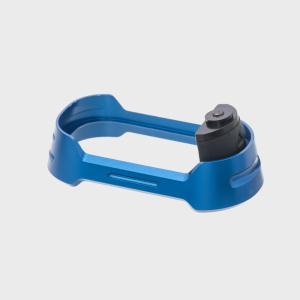
Basepads add weight that can improve reloads and stability, but in cold conditions they also increase the workload on magazine springs. A marginal spring that functions in warm weather may struggle to lift rounds quickly enough when temperatures drop.
-
Heavier basepads demand stronger magazine springs
-
Cold reduces spring responsiveness and follower speed
-
Last-round failures are the most common warning sign
Tuning Spring Rates for Stiffer Ammo
Defensive loads are often hotter and use heavier bullets, which can mask spring issues in warm weather but reveal them in the cold. The goal is balance—enough spring force to control the system without robbing it of energy.
-
Consider a slightly lighter recoil spring for winter use
-
Upgrade magazine springs when running +2 or +3 basepads
-
Test with your actual carry ammo in cold conditions
Testing Protocol for Cold-Weather Setups
Cold-weather testing should be deliberate. Run multiple magazines, include partial and full loads, and watch for changes in ejection pattern or slide lock behavior. What works indoors may fail outdoors.
Did you know?
Many cold-weather malfunctions blamed on ammunition are actually caused by underpowered magazine springs that can’t overcome increased friction and added basepad mass.
Conclusion: Balance Springs for the Season, Not Just the Range
Cold weather doesn’t forgive marginal setups. When running stiffer ammo and heavier basepads, properly matched spring rates are essential for reliability. Small adjustments—especially to magazine springs—can make the difference between flawless function and intermittent failures when it matters most.
To maintain consistent feeding and reliability with extended magazines and winter carry setups, explore magazine power spring upgrades.
FAQs
1. Do I need different springs for winter carry?
Not always, but many shooters benefit from minor adjustments in colder climates.
2. Will heavier ammo fix cold-weather issues?
It can help slide movement, but it won’t compensate for weak magazine springs.
3. How do I know if my magazine spring is too weak?
Watch for last-round feeding issues or sluggish follower movement.
4. Should I remove basepads in winter?
Not necessary if the magazine spring is strong enough to support the added weight.
5. How often should springs be replaced?
For carry guns, inspect springs annually or after any reliability change.