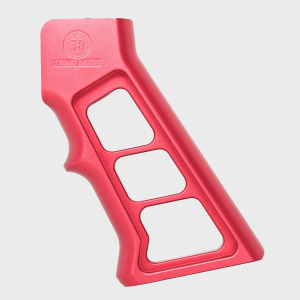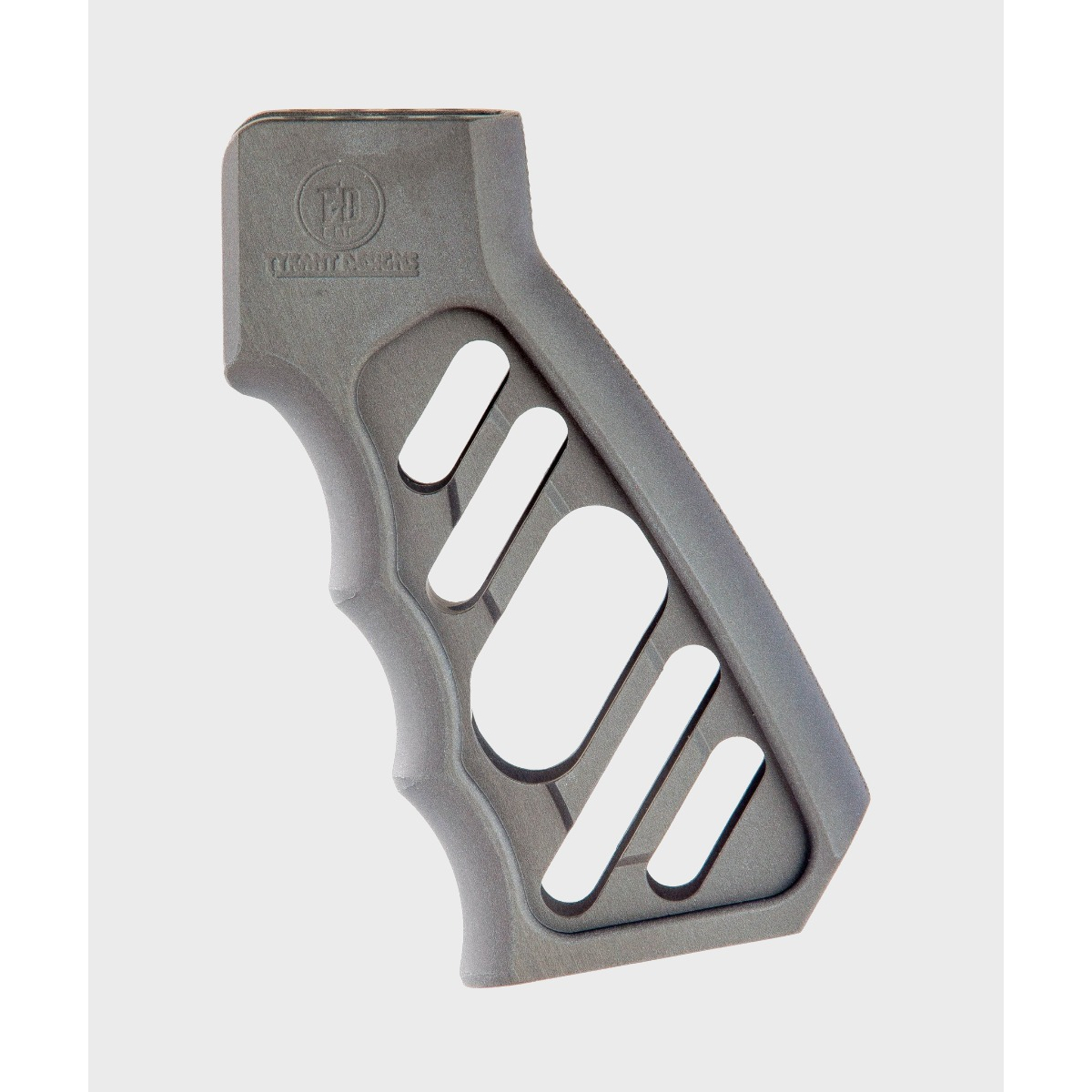
Aluminum is a popular material for firearms and gear due to its light weight, strength, and corrosion resistance. However, cleaning carbon buildup from aluminum surfaces can be tricky. Harsh cleaners or abrasive methods can damage the anodized finish, leaving behind a cloudy or scratched surface.
In this guide, we'll explore the best ways to remove carbon from aluminum parts safely without compromising their appearance or integrity.
Why Cleaning Aluminum Requires Care
Aluminum surfaces, especially anodized aluminum, are designed to be durable and resistant to wear. However, the anodized finish is a porous coating that can absorb certain chemicals and cleaners. Using the wrong cleaning products or tools can damage the finish, leading to discoloration, clouding, or even erosion of the protective layer.
-
Anodized aluminum is more sensitive to harsh chemicals
-
Improper cleaning can remove protective coatings
-
Carbon buildup can affect performance if not removed regularly
It's important to use safe cleaning methods to preserve the finish and maintain the functionality of the part.
What to Avoid When Cleaning Aluminum
Not all cleaning products are safe for aluminum. Here are a few things to avoid:
-
Harsh solvents: Products like acetone, bleach, or ammonia can strip anodized coatings and weaken aluminum surfaces.
-
Abrasive tools: Steel wool or abrasive scrubbers can scratch the anodized finish, leading to permanent damage.
-
Strong acids: Acidic cleaners can dissolve the protective anodized layer, leaving the aluminum vulnerable to corrosion.
Choosing the right cleaners and tools is essential for effective and safe cleaning.
Safe Cleaning Methods for Aluminum
1. Use Mild, pH-Neutral Cleaners
The best way to clean aluminum is with a mild, pH-neutral cleaner. These cleaners are gentle enough to remove carbon buildup without damaging the anodized finish.
-
Look for cleaners specifically labeled safe for anodized aluminum.
-
Use a soft microfiber cloth or sponge to apply the cleaner.
-
Gently wipe the surface, avoiding excessive scrubbing.
2. Non-Abrasive Scrubbing Pads
If you need to scrub off carbon deposits, use a non-abrasive scrubbing pad or sponge. These are gentle enough to remove buildup without scratching the surface.
-
Soft-bristled brushes work well for tighter spots.
-
A microfiber towel is ideal for wiping down surfaces without leaving scratches.
3. Baking Soda Paste
A mixture of baking soda and water can create a gentle paste that helps lift carbon buildup. Baking soda is mildly abrasive but won’t harm the anodized layer if used carefully.
-
Mix baking soda with water to form a paste.
-
Apply the paste to the carbon buildup and let it sit for a few minutes.
-
Use a soft cloth to gently wipe away the paste, then rinse with water.
4. Isopropyl Alcohol for Final Wipe
After cleaning, use a small amount of isopropyl alcohol on a soft cloth to give the aluminum a final wipe-down. This will help remove any residue and leave the surface clean without damaging the finish.
Maintaining the Finish After Cleaning
To ensure your aluminum parts stay looking new, it’s important to regularly maintain the finish.
-
Reapply Protective Coating: Some anodized finishes may benefit from a protective coating to maintain shine and resistance to wear. A light coat of wax or specialized firearm finish can help protect the surface.
-
Avoid Over-Cleaning: Excessive cleaning can wear down the anodized finish over time. Clean only when necessary to remove buildup.
Did You Know?
Anodized aluminum is resistant to corrosion but can lose its shine if exposed to harsh chemicals or abrasives.
Conclusion
Cleaning carbon off aluminum safely involves using the right cleaners and tools to preserve the protective finish while effectively removing buildup. By following these methods, you can keep your anodized aluminum parts in top condition without damaging the finish. For high-quality, durable parts that stand up to regular use and cleaning, explore our selection of AR-15 handguards and accessories designed for long-lasting performance.
FAQs
Can I use regular household cleaners on aluminum?
It’s best to avoid harsh chemicals like bleach or ammonia. Use a mild, pH-neutral cleaner designed for anodized aluminum.
How do I prevent carbon buildup on aluminum?
Regular cleaning and proper maintenance will prevent excessive buildup. Use a soft cloth and mild cleaner to keep surfaces clear of carbon.
Can I use steel wool to remove carbon from aluminum?
No, steel wool is too abrasive and can scratch the anodized finish. Use a soft cloth or non-abrasive scrubbing pad instead.
How often should I clean aluminum parts?
Clean your aluminum parts as needed, especially after extended use. Regular maintenance will prevent carbon buildup and preserve the finish.
What’s the best way to protect anodized aluminum?
Apply a light coat of wax or a specialized finish to maintain the protective layer and keep your aluminum parts looking like new.