Upgrading a slide or its components can transform a handgun’s feel, accuracy, and user experience. For owners of Taurus and Ruger handguns, selecting machined slide parts requires attention to fit, materials, surface finish, and how the part interacts with your holster and carry routine. This guide cuts through marketing noise with practical, engineering-first advice so you pick parts that improve function - not just look cool.
What to prioritize when selecting slide parts
Start with three priorities: mechanical fit, material integrity, and real-world function. If a part doesn’t fit precisely, even the best coating or profile won’t deliver reliable performance. Likewise, a strong material and proper heat treat matter more than ornamental machining.
Materials & surface treatments that earn their keep
Choose alloys and treatments proven for slide applications. Stainless and properly heat-treated carbon steels are common choices; nitriding or DLC finishes reduce friction and resist corrosion without large dimensional changes.
-
Stainless steel slides: Excellent corrosion resistance and consistent wear characteristics; slightly heavier but very durable.
-
Chromoly / 4140/4150: High strength when heat-treated; often paired with corrosion-resistant coatings.
-
Nitride / DLC: Low-friction, wear-resistant finishes that reduce the need for constant lubrication and stand up to carry conditions.
Fitment & dimensional checks - the non-negotiables
Fitment is where most aftermarket choices succeed or fail. Check these details before you buy:
-
Exact model fitment - confirm the slide is specified for your Taurus or Ruger model and generation.
-
Slide-to-frame rail engagement - rails should match factory tolerances; look for runout and binding during a dry-fit.
-
Optic footprint and plate alignment - if the slide is optics-ready, verify the footprint (e.g., MOS, RMSc, or proprietary) and that mounting plates seat without gaps.
-
Barrel extension and locking lug interface - ensure the barrel locks up consistently and headspace is checked after installation.
Sights, optics, and mounting considerations
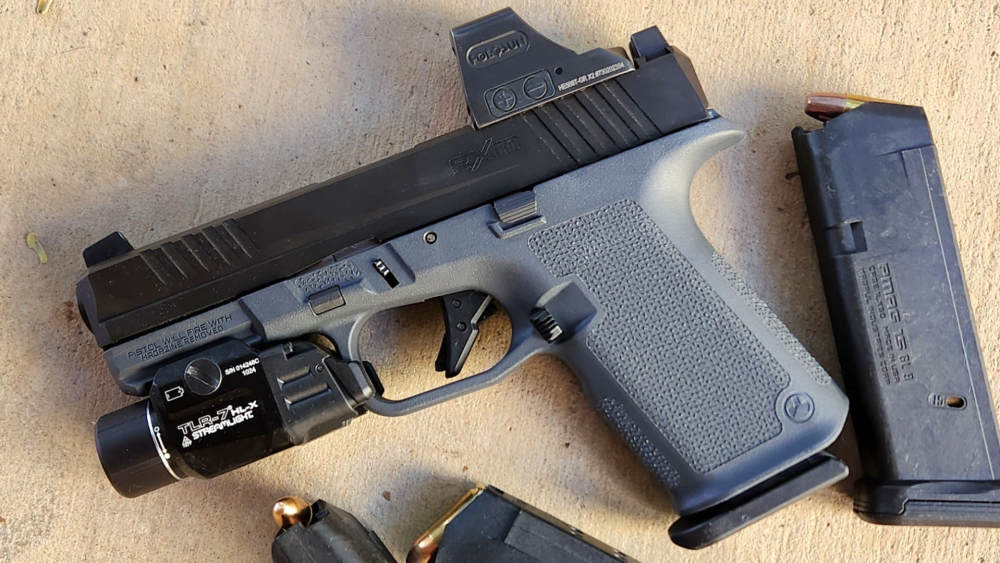
Decide early whether you want iron sights, a red dot, or compatibility for both. Machined slide parts can be cut for optics, but mounting must preserve strength and zero.
-
Optic-cut slides often require specific plates and torque specs; use the plate recommended by the optic maker.
-
If you run suppressor-height sights with a red dot, ensure rear sight clearance and dovetail geometry are compatible.
-
Consider co-witness or lower-1/3 mounting depending on your shooting stance and primary-use case.
Controls and ergonomics - small changes, big impact
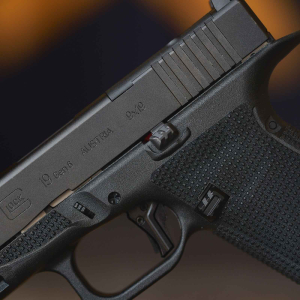
Milled or extended slide controls (e.g., slide serrations, cocking serrations, rear plates) change how you manipulate the gun under stress. Prioritize function over looks: aggressive serrations help in wet conditions, but they should not create sharp edges that snag clothing during carry.
Durability under carry - holster & finish interaction
If you plan to carry, think about how the finish and geometry interact with your holster. High-gloss edges or sharp cuts may accelerate holster wear or damage finish. A well-chosen finish and slightly rounded edges keep the slide looking good and reduce printing or abrasion in everyday carry setups.
Installation, headspace & professional checks
Installations that alter barrel fit or slide geometry should be verified by a qualified armorer. After fitting a new slide or barrel, always check headspace and function with test ammo before trusting the gun for carry or range work.
When aftermarket is the right call
Aftermarket slide parts make sense when they solve a documented problem: better sight visibility, optics compatibility, improved serration patterns for control, or a coating that resists sweat and salt. Avoid changes driven purely by trends; the best upgrades are those that improve a specific, real-world deficiency.
Did you know?
Small machining choices - like the radius on a slide’s serration or the chamfer on the ejection port - change how reliably brass clears and how the slide interacts with a holster. Those tiny engineering details are often why a seemingly identical “drop-in” slide runs better or worse in practice.
Conclusion: pick parts that solve problems, not just polish style
For Taurus and Ruger owners, the process is simple: verify model-specific fit, choose proven materials and coatings, confirm optic and sight interfaces, and have a qualified tech check headspace after installation. Prioritize parts that enhance control, reliability, and carry comfort. That approach delivers upgrades you actually use every day.
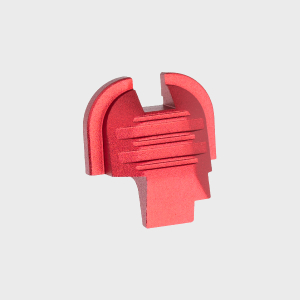
Explore our selection of slide cover plates and handgun upgrade components to find options compatible with your handgun model.
FAQs
1. Can I swap a machined slide between different Taurus/Ruger models?
Not usually. Slides are model- and generation-specific. Always confirm exact fitment and factory tolerances before purchase.
2. Will adding an optic cut weaken the slide?
An optic cut removes material, but well-designed slides account for that with geometry and material choice. Use proven manufacturers and follow torque/mounting specs to maintain strength.
3. Do I need a gunsmith to install a new slide?
If the slide changes barrel fit, optics, or locking surfaces, a gunsmith check is recommended. Simple slide swaps for like-model parts can be done by competent owners, but verify function with test fire.
4. Which finish is best for daily concealed carry?
Nitride or DLC finishes are top choices: low friction, corrosion resistant, and resilient against sweat and frequent holstering.
5. How do I ensure my holster is compatible after slide upgrades?
Test a dry-fit in your holster and practice draws. If the slide profile, rear plate, or optic footprint changes the external geometry, try a holster designed for the new configuration or one with adjustable retention and a bit more clearance.