When building an AR-15, the goal is often to achieve a rugged, dependable, and solid feel. However, some shooters experience a frustrating "rattle" when handling their rifle, which detracts from the otherwise solid design. In this article, we will explore the tiny contact points and components that can cause an AR to feel cheap and provide practical solutions to eliminate those rattles.
Identifying the Culprits: The Contact Points That Cause the Rattle
The sound of a rattle in your AR-15 is typically a result of certain contact points being loose or improperly fitted. While it may seem trivial, these points affect the overall experience. Here are the main culprits:
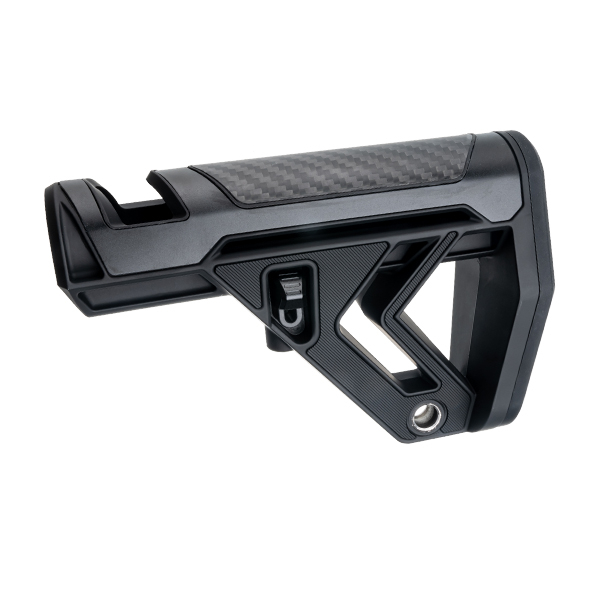
Buffer Tube and Stock Connection
One of the most common sources of the rattling sound is the buffer tube connection with the stock. A poorly installed or loose stock can create unwanted movement during handling or firing.
Handguard Fitment
Another key area is the handguard. If the handguard isn't securely attached, even slight movements can cause it to rattle against the barrel nut. The gap between the handguard and upper receiver can also contribute to this issue.
Charging Handle Fitment
The charging handle can also be a source of noise. A loose charging handle, or one that doesn't fit snugly within the receiver, can produce an annoying rattle that is noticeable during rapid movement or shooting.
Practical Tips for a Solid, Rattle-Free Build
Addressing these issues is simple with the right components and assembly techniques. Here are the key steps you can take to ensure a "no-rattle" AR build:
Tightening the Buffer Tube Connection
Ensure that the buffer tube is properly aligned and tightened to the lower receiver. Using a castle nut and staking the nut in place will prevent it from loosening over time.
Upgrading the Handguard
Consider upgrading to a free-floating handguard that provides a tighter fit against the upper receiver, eliminating the potential for rattle. Some handguards come with adjustable mounting systems that allow for a snugger fit.
Upgrading the Charging Handle
Opt for a precision-fitted charging handle with minimal play. A high-quality charging handle will help reduce noise and improve the overall feel of your AR.
Did You Know?
Ammo type directly affects recoil control in comped pistols, improving shot accuracy and reducing overall noise.
Conclusion
In summary, building a "no-rattle" AR-15 is all about addressing the tiny contact points that contribute to unwanted movement. By tightening the buffer tube, upgrading the handguard, and ensuring a solid fit for the charging handle, you can eliminate those annoying rattles and achieve a more refined shooting experience. For top-quality AR-15 components, check out our selection of AR-15 upgrades to enhance your build.
FAQs
What causes the rattle in my AR-15?
The rattle is typically caused by loose components or improper fitment in contact points such as the buffer tube, handguard, or charging handle.
How can I stop my AR-15 from rattling?
Ensure all components are properly tightened, and consider upgrading to parts that offer a snug, precision fit for a solid feel.
What is the best way to improve the buffer tube connection?
Use a properly installed castle nut and stake it securely to prevent loosening over time.
Does upgrading the handguard improve performance?
Yes, a snug and free-floating handguard improves stability and helps eliminate any unwanted movement that contributes to the rattle.
Can a loose charging handle affect performance?
Yes, a loose charging handle can introduce noise and cause unwanted play, which might affect the overall feel of your rifle.