The AR-15 pattern rifle is one of the planet's most modular and adaptable intermediate rifle systems. Whether trying to optimize the 5.56 NATO cartridge for its excellent terminal performance out of a 20” barrel or trying to stuff the rifle down into a compact space, the AR-15 can do it with the right parts. With the ATF attempting to clamp down on the use of pistol stabilizing braces, it appears that our ability to use shorter barrels on AR-15 pistols is at great risk of being made illegal. Now while we wouldn’t want that to happen, should the worst happen you might be faced with either abandoning your short barrel in favor of a “rifle length” one or registering your former pistol as an SBR. Either way, you’ll need a new buttstock, and there is a lot to choose from, so which buttstock style would work best for you?
Application Is Key
As we mentioned before, the AR-15 platform is one of the most modular and adaptable platforms out there. This is especially true when it comes to the types and styles of buttstocks you can get to work with your rifle. The two most common types of buttstock styles are adjustable stocks and fixed stocks. While each of these categories will have a whole library of options to choose from in terms of features, materials, and specifications, they are more or less the same when it comes to one important factor when selecting a style of buttstock - the length of pull.
The Length of Pull or LOP of a rifle is probably the single largest determining factor of whether or not a particular rifle will “fit” you. The LOP is measured from the trigger to the back entrance of the recoil pad on your stock. A properly adjusted length of pull will allow a shooter to consistently get on target, and operate the rifle efficiently during shooting. If your LOP is too short you will often suffer in accuracy, while a LOP that is too long will make it more difficult to shoulder the rifle and make it next to impossible to get a proper eye box on a magnified optic.
Fixed Stocks
Despite their lack of quick adjustability in length of pull, fixed stocks still offer AR-15 shooters a lot of advantages over adjustable stocks. First and foremost is that fixed stocks offer the greatest amount of consistency and durability. Fixed length stocks now often come with a minor amount of adjustability but instead of making quick adjustments to the length of pull, fixed stocks like the Magpul PRS stock allow you to adjust the comb height so that you not only get a consistent presentation, but your cheek also always lands at the same height behind an optic which should lead to faster target acquisition.
The biggest disadvantage fixed-length stocks have is that they live true to their name - they’re fixed and therefore take up more space all the time. Another major disadvantage is that a good fixed stock will cost you quite a bit more than adjustable LOP stocks. However, if your mission is long-range precision (think a Special Purpose Rifle or Designated Marksman rifle) then the consistency that a fixed stock offers you should heavily weigh in on your decision.
Adjustable Stocks
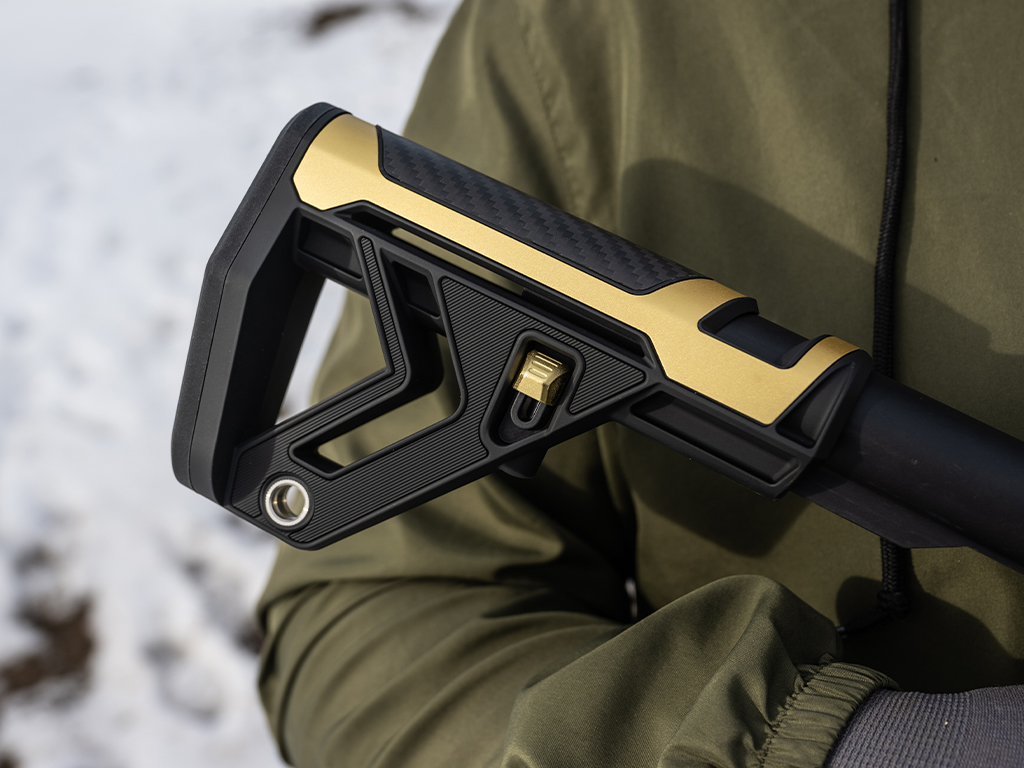
Adjustable stocks are probably the most common type of stock and probably what most people will opt for when building a new AR or even their first AR. Adjustable stocks allow for an AR-15 rifle to be collapsed down to its shortest length (around 32 inches). This makes the rifle a lot easier to store and maneuver inside vehicles but still allows the user to quickly adjust the LOP to the proper position for them. Adjustable stocks also often come with various small features like extra storage capacity, sling attachment points, and even comb height adjustments on some more expensive models.
The biggest disadvantage of adjustable stocks is that they offer a less stable platform to shoot from, and generally don’t offer precise length of pull or comb height adjustments making them less suitable for precision shooting applications. Another final knock against the adjustable stock model comes from my fellow bearded men in the audience - adjustable stocks are great at painfully pulling out facial hair via the tiny gap that exists between the stock and the buffer tube - a minor gripe but one that I think is more than worth pointing out.
Final Thoughts
Both fixed and adjustable stocks have their specific use cases but I think most of the time one isn’t strictly necessary in any given situation. After all, the stock is supposed to simply give you a solid platform to shoulder the rifle on to give you the greatest chance at accuracy. If it were up to me, I’d first recommend using an adjustable length stock if you’re uncertain what your specific needs will be for a particular rifle. However, if your goal is to maximize accuracy and consistency, I’d opt to spend the extra time setting up a fixed stock. Finally, if you’re going for style points, there are tons of companies out there offering highly stylized yet still functional AR-15 stocks that are sure to impress at the range!
We’d like to hear what your favorite kind of AR-15 stock is! Do you prefer the stability and consistency of a fixed-length stock or do you like the adaptability and modularity of today’s adjustable-length stocks? Let us know down in the comments!