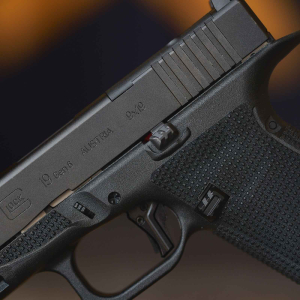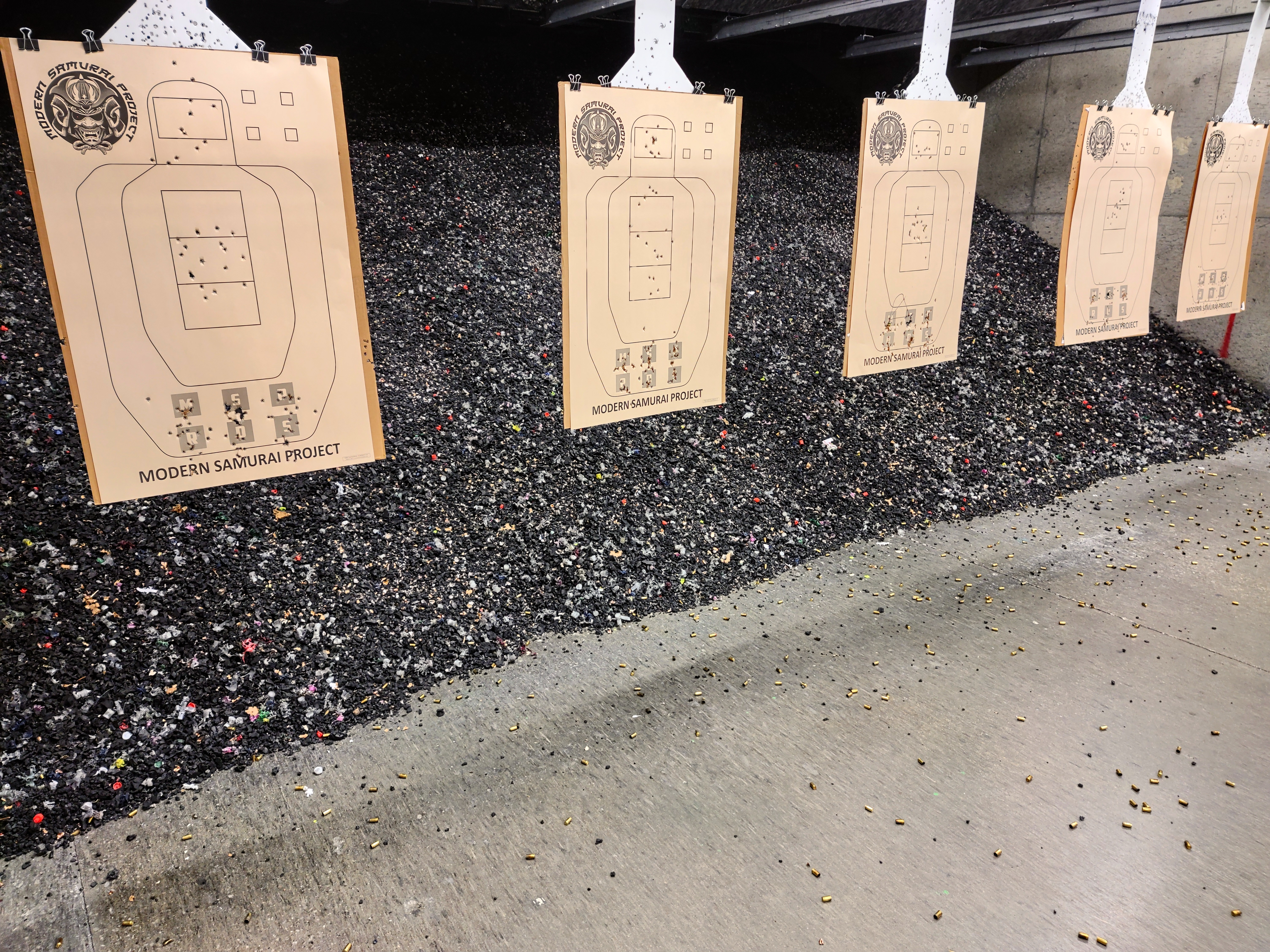
We all know that the more repetitions or rounds that we send downrange the better we will hopefully become as shooters. Our shooting ability is sadly a perishable skill so not only do we want to improve our skill through practice, but we also want to maintain it. There are a few different ways we can go about doing this. Firstly, and most obviously, is to shoot more. This is typically accomplished at a public range, private club, or even your own property if you have the land and space available to do so. What do you do though if you cannot shoot on your own property and your life is so hectic you can’t make it to a shooting range? A good alternative is to work on your shooting skills by dry fire training.
Some people have heard this term used countless times, but not everyone understands what it takes to do meaningful and valuable dry fire practice. You can work on innumerable things related to your shooting skills. You can practice drawing your sidearm from a holster – either concealed or openly from your hip. You can practice magazine reloads and exchanges ensuring they are smooth, efficient, and urgent. If you have a red dot or optic on your handgun, you can drill the presentation of your optic so it is fluid and naturally presents to your target every time.
So, those are all things you can do while dry firing that is basic and makes sense. Now, start to think of ways you can add pressure to yourself to improve outside the realm of actual live-fire shooting. Introduce a shot timer. The moment you bring in that audible “beep” you will have a heightened level of stress and begin to learn where your skills actually lie.
Another great thing you can do with your dry fire training is to record it. You can do this simply with your cellphone or a dedicated camera, but having the ability to review the tape of yourself can expose some really bad problems you may have been ignoring. This ability to “look at the tape” as a professional sports team will show you where to improve and it will hopefully teach you to become more aware of your mistakes while you’re actively shooting. So, you can self-diagnose yourself at the range.
We all understand that life can get busy and we don’t make it to the range as often as we’d like, but doing dry fire training coupled with a shot timer and recording ourselves can go a long way in improving our abilities. Until next time, continually check out our blog, join our newsletter, and watch the website for new and exciting updates! As always, let us know all of your thoughts in the Comments below. We love it when you participate in our articles and keep the conversation going!