In a world of uncertainty, it is important to be as well rounded as possible. Many of us hone our shooting abilities, invest in better gear to aid in that process, and focus on our fitness so we are always as prepared for the unknown as we potentially could be. Those are all great things to set our focus on, but there is typically one large gap in everyone’s skill set that they are not noticing. It is like the metaphorical elephant in the room. So, what is it?... What we are referring to is medical training.
Medical training can come in a lot of different forms and levels of knowledge, but basic life-saving skills (BLS) are better than not knowing anything. For some people who are in the medical field as their chosen career path, they might be so knowledgeable that they have advanced life-saving skills (ALS). The difference between the two for our discussion mainly relates to the degree and severity someone might be injured and what training/tools you are legally certified with to aid in saving their life or help in their recovery.
So, as firearm owners, outdoors-people, and active members in our families and communities how do we obtain medical training like BLS or ALS that we are describing if we are not already in the medical field. Well, there are several ways you could look to gain more knowledge. One way is to simply look within your community for First-Aid and CPR classes. Many places like local community centers and YMCAs will offer those either for free or very cheap as community outreach programs. By simply knowing CPR, general First-Aid, and even the classic Heimlich maneuver can be more valuable than you might think.
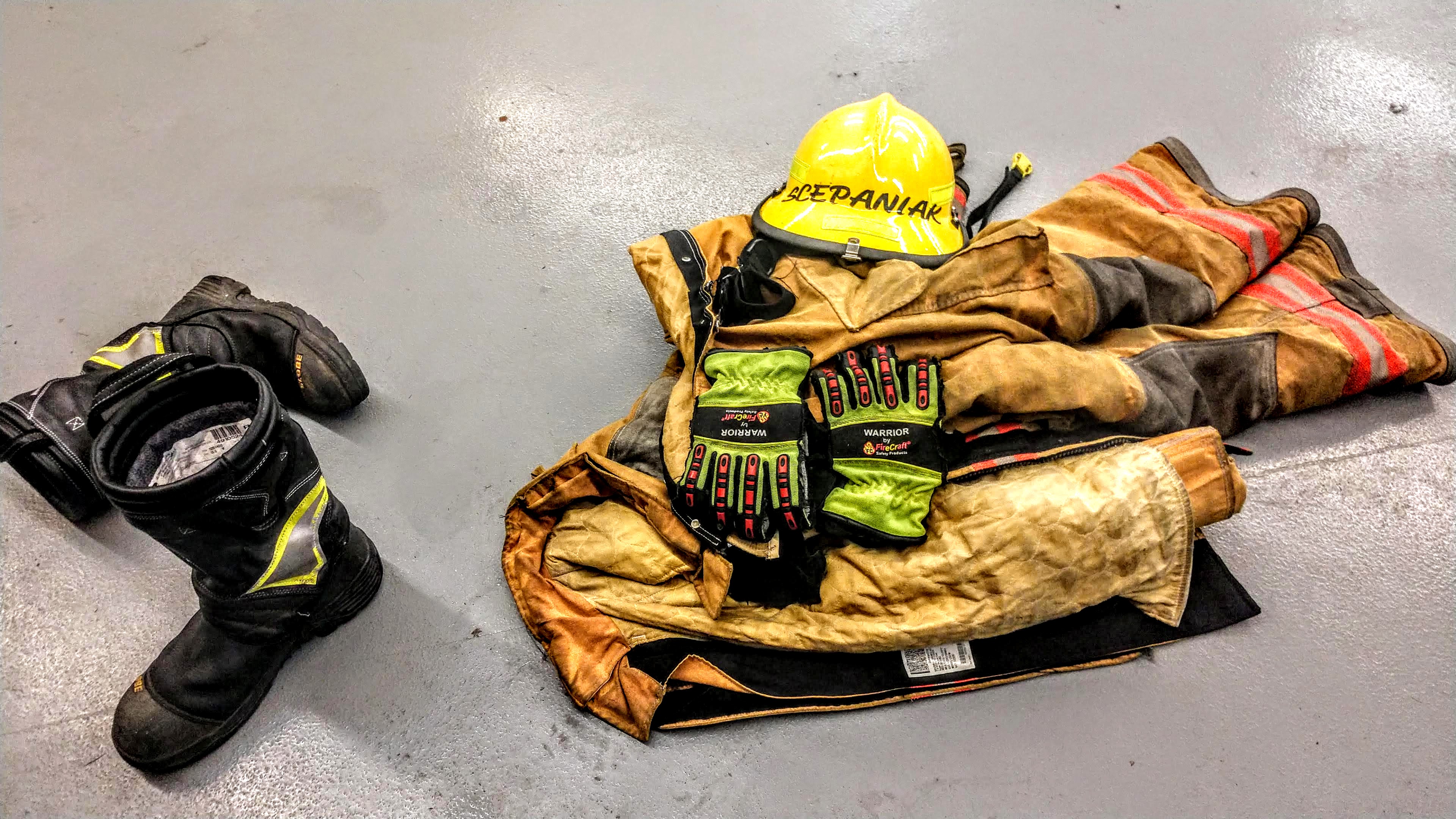
Another more advanced way of giving back and learning medical training is to join your local fire department. I personally did this 1 year ago where I live and it has been incredibly rewarding. Also, from a tactical standpoint, you learn an immense amount of skills that would help you in innumerable ways. Many departments require you to become a certified Emergency Medical Responder (First Responder) and will pay for all of your training to do so. You can take that a step further and do additional coursework to become a certified Emergency Medical Technician (EMT). With that depth of skill sets, you can aid someone who has a gunshot wound, a severed appendage potentially from a construction accident, and even mass casualty incidents. You also gain the knowledge to know how to activate the local chain of response to get someone to more critical care like a hospital.
Many fire departments are on a volunteer basis as well because small communities and cities simply do not have the budget to put people on salary or Full-Time. This could be to your benefit because you gain numerous skills and do not have the 40 hours per week commitment of essentially a 2nd job. You can still commit time to your family, loved ones, your hobbies, and your passions. So, while firearms and lots of gear are awesome, try to think about the medical training you potentially have (or don’t have). As always, let us know all of your thoughts in the Comments below. We love it when you participate in our articles and keep the conversation going!