Since its inception, Glock has been a trailblazer in the firearms industry, revolutionizing pistol design with their reliable and innovative handguns. Throughout the years, Glock has introduced several generations of pistols, each building upon the previous model's success while incorporating new features and improvements. In this blog post, we will explore the generational differences between each Glock generation, highlighting the advancements that have made each iteration an iconic piece of firearms engineering.
First Generation:
The Glock story began in the early 1980s when Gaston Glock, an Austrian engineer with no prior experience in firearms, developed the Glock 17, marking the start of the first generation. Introduced to the market in 1982, the Glock 17 was a groundbreaking pistol that quickly gained popularity among military and law enforcement agencies. The first-generation Glock pistols featured a non-railed frame, a smooth grip texture, and a magazine capacity of 17 rounds for the 9x19mm Parabellum caliber.
Second Generation:
The second generation of Glock pistols arrived in the early 1990s, bringing with it several notable improvements. One of the most noticeable changes was the addition of finger grooves on the grip, enhancing ergonomics and providing a more comfortable shooting experience for most users. Another significant enhancement was the introduction of a railed frame, allowing for the attachment of tactical accessories such as lights and lasers. Additionally, the second generation featured a few internal improvements, including an upgraded recoil spring assembly.
Third Generation:
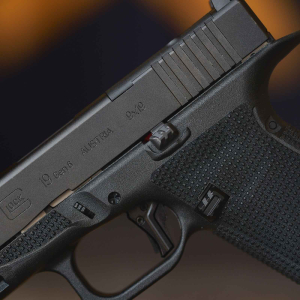
In the late 1990s, the third generation of Glock pistols was introduced, building upon the successes of the previous iterations. Glock continued to refine their design, and this generation brought forth further enhancements. One of the key upgrades was the introduction of a modified extractor, which improved the ejection process, reducing the likelihood of malfunctions. Additionally, Glock incorporated a more aggressive texture on the grip, providing a more secure hold, especially in adverse conditions. The third generation also marked the introduction of the .40 S&W caliber variants, expanding Glock's offerings to meet the needs of different markets.
Fourth Generation:
Arriving in the early 2010s, the fourth generation of Glock pistols featured some significant changes to improve ergonomics and user customization. The most noticeable difference was the addition of interchangeable backstraps, allowing shooters to adjust the grip size to fit their hand comfortably. This feature made the Glock pistols more accessible to a wider range of individuals with varying hand sizes. Furthermore, Glock introduced a dual recoil spring assembly, which helped reduce felt recoil and improve overall shooting control. These updates demonstrated Glock's commitment to making their pistols even more user-friendly and customizable.
Fifth Generation:
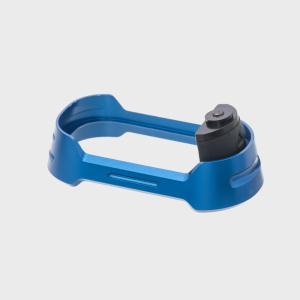
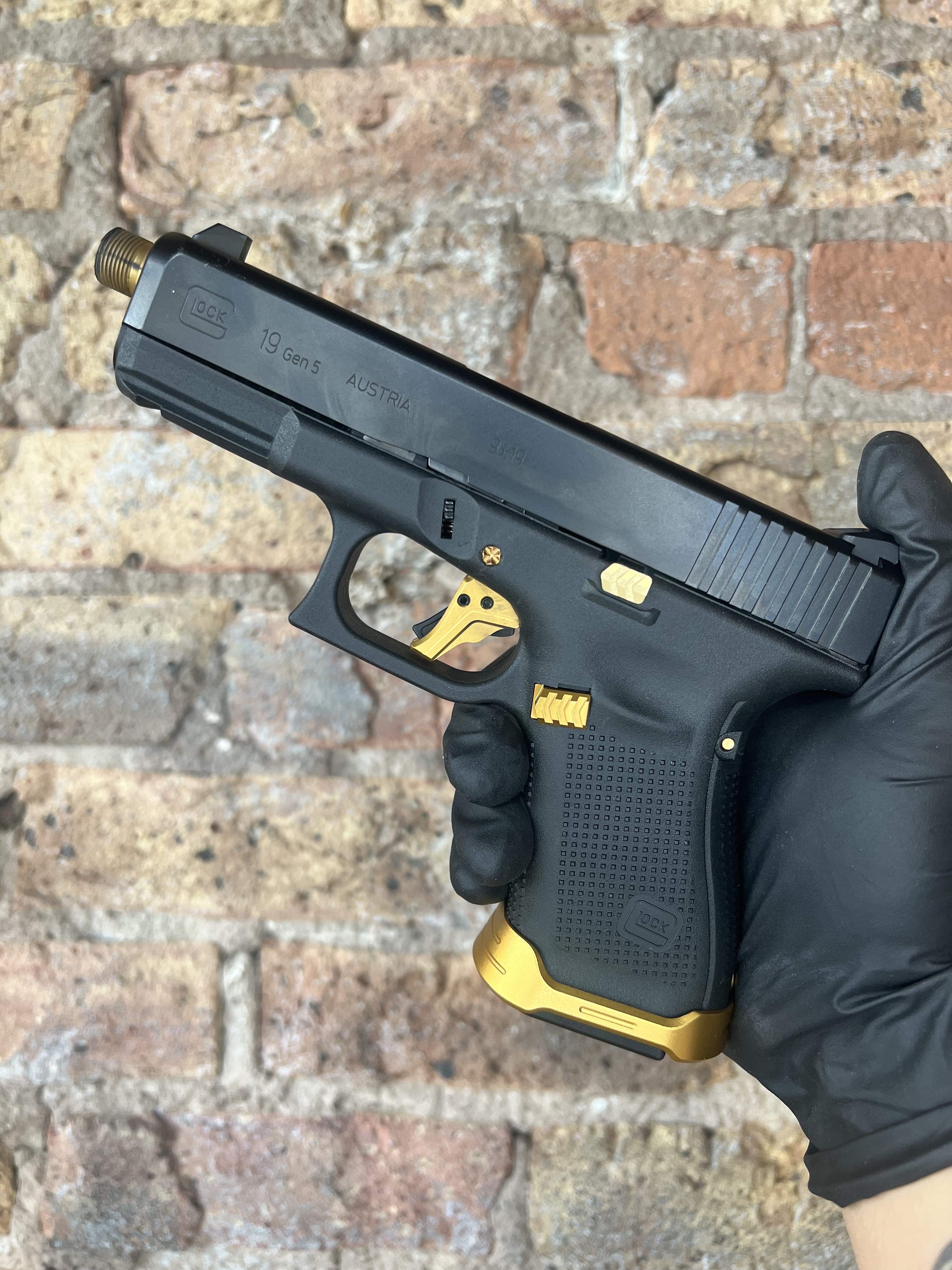
The fifth and latest generation of Glock pistols was introduced in 2017, solidifying Glock's position as a leader in handgun technology. The primary focus of this generation was enhancing accuracy and shootability. One of the most significant changes was the introduction of the Marksman Barrel (GMB), a redesigned barrel with a more precise rifling profile, resulting in improved accuracy. The fifth generation also featured an ambidextrous slide stop lever, making it more accessible to left-handed shooters. Additionally, the magazine well was flared to facilitate quicker and more straightforward magazine changes. These improvements showcased Glock's commitment to continuous refinement and listening to the needs of their users.
Conclusion:
As we have explored the generational differences between each Glock iteration, it becomes evident that the company's commitment to innovation and improvement has been a driving force behind their success. From the groundbreaking first generation to the feature-rich fifth generation, Glock has consistently set the standard for reliable, durable, and user-friendly pistols.
The evolution of Glock's pistols has been a testament to the company's dedication to meeting the demands of law enforcement, military personnel, and civilian shooters. Each generation builds upon the successes of its predecessor, incorporating new features and improvements while maintaining the core principles that have made Glock a household name in the firearms world.
Whether you are a collector, an enthusiast, or a first-time buyer, Glock offers a pistol for every shooter's needs and preferences. As Glock continues to push the boundaries of firearms technology, it is safe to say that future generations will undoubtedly bring even more innovation and advancements, cementing Glock's legacy as a pioneer in the industry.