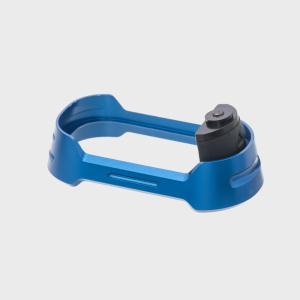
Proper lubrication of your handgun’s trigger mechanism is essential for ensuring smooth, consistent performance, and reliability. Without adequate lubrication, friction can build up within the internal components, potentially leading to poor trigger performance, increased wear, and even malfunctions. In this article, we will discuss the best lubrication practices to keep your handgun's trigger mechanism operating smoothly and efficiently.
Why Lubrication is Important for Handgun Triggers
Lubrication plays a key role in maintaining the smooth operation of the trigger mechanism in your handgun. Here are some reasons why regular lubrication is essential:
-
Reduces Friction: Proper lubrication helps to reduce friction between moving parts, ensuring that the trigger pull is smooth and consistent.
-
Prevents Wear: By reducing friction, lubrication also minimizes the risk of premature wear on the internal components of the trigger mechanism.
-
Improves Reliability: Well-lubricated triggers function more reliably, ensuring that they perform consistently under various shooting conditions.
-
Enhances Performance: Lubrication can enhance the performance of the trigger, leading to improved accuracy and faster follow-up shots.
Best Types of Lubricants for Handgun Triggers
Choosing the right lubricant for your handgun trigger is crucial for maintaining optimal performance. The most commonly used lubricants for handgun triggers include:
1. Gun Oil
Gun oil is designed to protect firearms from rust and corrosion while also providing lubrication for moving parts. High-quality gun oils are formulated to withstand the heat and pressures of shooting while providing long-lasting lubrication.
Best For: General-purpose lubrication of the trigger mechanism and other moving parts.
2. Grease
For parts that experience a higher level of friction, such as the trigger mechanism, grease can provide a thicker, more durable layer of lubrication. Grease is typically used for areas that don’t need frequent reapplication.
Best For: Areas that require heavy-duty lubrication, such as trigger groups and sear components.
3. Dry Lubricants
Dry lubricants, such as graphite or Teflon-based sprays, provide lubrication without attracting dirt or dust. These lubricants are ideal for environments where cleanliness is a concern.
Best For: High-performance or competition handguns that need lubrication without attracting dirt and debris.
Step-by-Step Guide to Lubricating Your Handgun Trigger
Proper lubrication involves more than just applying oil to the trigger. Follow these steps for the best results:
Step 1: Disassemble the Handgun
Safety first! Make sure the firearm is unloaded by checking the chamber, magazine, and any other potential ammunition sources. Always perform a safety check to avoid any accidents during the installation process.
Step 2: Clean the Trigger Mechanism
Before lubricating, it’s important to clean the parts that will receive lubrication. Use a cleaning solvent designed for firearms to remove dirt, old lubricant, and any built-up carbon deposits from the trigger mechanism.
- Apply Solvent: Apply a small amount of solvent to a cleaning cloth or brush and wipe down the trigger components.
- Dry the Parts: Once the parts are cleaned, make sure to dry them thoroughly with a clean cloth to prevent moisture buildup.
Step 3: Apply the Lubricant
After cleaning, it’s time to apply your lubricant. Be mindful of the amount you use; too much lubrication can attract dust and debris, which can lead to further issues.
-
Apply Lubricant Sparingly: Use a few drops of gun oil or a small amount of grease on the moving parts of the trigger mechanism. Focus on the trigger bar, sear, and disconnector.
-
Distribute Evenly: Ensure that the lubricant is evenly distributed across the parts by moving the trigger several times to spread the oil.
Step 4: Reassemble the Handgun
After applying the lubricant, carefully reassemble your handgun, ensuring that all components are properly secured.
-
Reinstall the Slide and Barrel: Make sure everything is aligned and functioning correctly.
-
Perform a Function Check: Dry fire the handgun to check if the trigger feels smooth and responsive. If it does, you’ve successfully lubricated your handgun trigger.
Step 5: Wipe Off Excess Lubricant
Once the lubrication is in place, it’s important to wipe off any excess lubricant. Excess oil can attract dirt and debris, which may lead to malfunctions over time.
-
Use a Clean Cloth: Wipe down the trigger and surrounding areas to remove any extra lubricant.
-
Check for Smoothness: Ensure that the trigger moves smoothly and does not have any stiffness or resistance.
Tips for Maintaining Your Handgun Trigger
To ensure that your handgun trigger remains in top condition, consider the following maintenance tips:
-
Reapply Lubricant Regularly: Check your handgun’s trigger mechanism after a certain number of rounds or during regular maintenance. Reapply lubricant as needed.
-
Keep It Clean: Regularly clean the trigger mechanism to remove dirt, grime, and carbon buildup.
-
Use the Right Lubricant: Choose a lubricant that suits your shooting conditions, whether it’s a general-purpose gun oil or a dry lubricant for competition use.
Did you know?
Over-lubrication can actually hinder the smooth operation of your handgun’s trigger. Always apply lubricant sparingly and wipe off excess oil after application.
Conclusion: Keep Your Handgun Trigger in Top Shape with Proper Lubrication
Proper lubrication is key to ensuring that your handgun’s trigger operates smoothly, reducing friction and wear while improving reliability and performance. By following these tips, you can keep your handgun trigger in excellent condition, enhancing both your accuracy and overall shooting experience.
For high-quality lubricants and firearm maintenance products, explore our selection of handgun accessories.
FAQs
1. How often should I lubricate my handgun trigger?
It’s recommended to lubricate the trigger after every cleaning or if you notice any signs of friction or rough movement. Regular checks and maintenance will keep your trigger performing at its best.
2. Can I use motor oil on my handgun’s trigger?
It’s not recommended to use motor oil on firearms. Use lubricants designed specifically for firearms to avoid damage or improper function.
3. Is grease or oil better for lubricating the trigger?
Both grease and oil work well for lubricating a handgun’s trigger, but grease is better for areas that experience higher friction, while oil is more suitable for lighter lubrication.
4. Will lubrication affect the trigger pull weight?
Proper lubrication can reduce resistance and make the trigger pull feel smoother, but it should not affect the weight of the trigger pull significantly.
5. Can I lubricate the trigger on a polymer-framed handgun?
Yes, you can lubricate the trigger mechanism on any handgun, including polymer-framed handguns. Just ensure that you follow the manufacturer’s guidelines for maintenance.