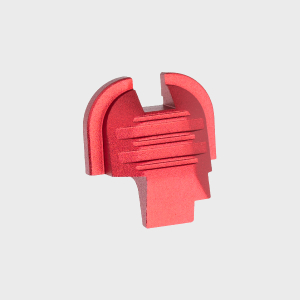
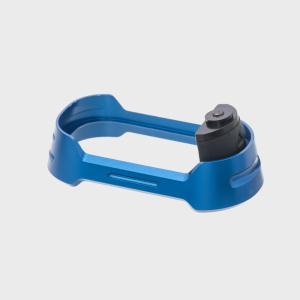
Muzzle devices are essential components of your rifle, designed to manage recoil, reduce muzzle rise, and improve accuracy. Whether you're upgrading your rifle’s performance or performing routine maintenance, removing and replacing muzzle devices is a common task. However, it's important to follow the correct procedures to ensure safety and prevent any damage to your firearm. This guide walks you through the safe process of removing and replacing muzzle devices on your rifle.
Why Upgrade or Replace Muzzle Devices?
Muzzle devices such as flash hiders, compensators, and muzzle brakes can drastically improve your rifle's shooting experience. Here's why you might want to upgrade or replace them:

-
Recoil Reduction: Muzzle brakes reduce the recoil and help you maintain control during rapid follow-up shots.
-
Muzzle Rise Control: Compensators redirect gases to keep the muzzle down, making follow-up shots faster and more accurate.
-
Flash Reduction: Flash hiders reduce the visible muzzle flash, which is crucial for low-light shooting scenarios.
-
Aesthetics: Some shooters opt for custom muzzle devices for improved looks or a personalized rifle setup.
Necessary Tools for Removing and Replacing Muzzle Devices
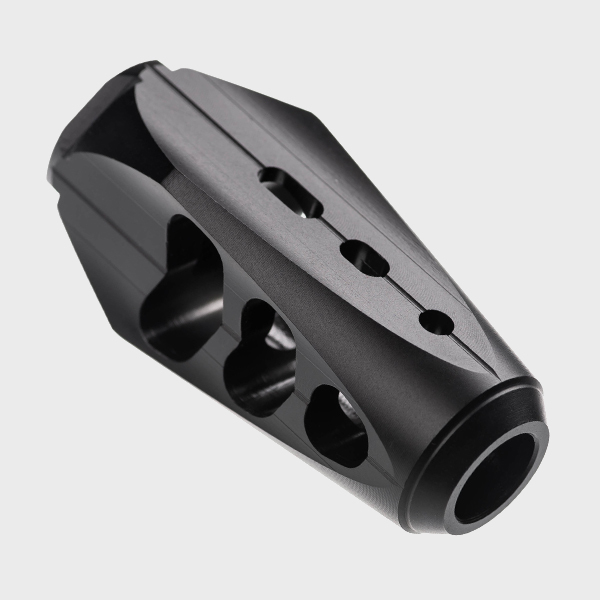
Before you begin, make sure you have the necessary tools to safely remove and replace your muzzle device:
-
Armorer's Wrench: Most muzzle devices are torqued onto the barrel using an armorer's wrench. This tool ensures you apply the correct amount of torque when installing or removing the device.
-
Vice: A bench vice helps secure your rifle to avoid any movement during the process.
-
Gas Block Wrench (if applicable): If your rifle has a gas block that needs to be removed to access the muzzle device, you’ll need a gas block wrench.
-
Penetrating Oil: If your muzzle device is stubborn or has been on for a long time, penetrating oil can help loosen it.
-
Thread Locker (optional): For re-installing the muzzle device, thread locker helps ensure it stays secure, especially for high-impact use.
Step-by-Step Process: Removing Muzzle Devices
1. Ensure Safety First
Before you start, always ensure your firearm is unloaded and pointed in a safe direction. Verify that the magazine is removed, the chamber is clear, and the firearm is safe to handle.
2. Secure the Rifle in a Vice
Place your rifle in a bench vice, making sure it’s stable and won't shift during the process. Secure the barrel tightly, but avoid over-tightening, as you don’t want to cause any damage to the barrel.
3. Loosen the Muzzle Device
Using an armorer's wrench or a dedicated muzzle device tool, begin loosening the muzzle device by rotating it counterclockwise. If the device is stuck, apply some penetrating oil to loosen it and wait a few minutes before attempting to remove it again.
Tip: If the muzzle device is torqued tightly, apply a small amount of heat (using a heat gun or torch) to the area around the threads to help break the seal. Be careful not to damage any surrounding components.
4. Remove the Muzzle Device
Once you’ve loosened the device, gently remove it from the barrel. Take care not to damage the threads on the barrel. If you’re replacing the muzzle device, inspect the threads for any damage that may require cleaning or repair.
Note: If you’re replacing a muzzle device that’s been on the rifle for a long time, you may need to clean any carbon buildup around the threads before installing a new device.
Step-by-Step Process: Installing a New Muzzle Device
1. Clean the Threads
Before installing the new muzzle device, it’s important to clean the threads on the barrel to ensure a secure fit. Use a clean rag to wipe away any debris or carbon buildup. A small brush can help clear any remaining buildup in the threads.
2. Apply Thread Locker (Optional)
To ensure that your new muzzle device stays secure, you can apply a small amount of thread locker to the threads. Use a medium-strength thread locker that can be removed later, as this ensures the muzzle device won’t loosen under recoil but can still be taken off when needed.
3. Screw on the Muzzle Device
Thread the new muzzle device onto the barrel, turning it clockwise. Ensure the device is aligned properly and sits flush against the barrel. It’s important that it’s not cross-threaded, so turn slowly and check for smooth engagement as you thread it on.
4. Torque the Muzzle Device
Using the armorer's wrench, tighten the muzzle device to the manufacturer’s specified torque. Typically, this torque value is between 15-30 foot-pounds, depending on the specific muzzle device.
Tip: Over-tightening the muzzle device can damage the barrel threads. It’s important to adhere to the recommended torque settings to avoid damage.
5. Check the Alignment
Once the muzzle device is secure, check its alignment with the barrel. Some muzzle devices, such as compensators, may need to be aligned with the rifle’s sights or gas ports. Use a level or a sight alignment tool to ensure the device is aligned properly.
6. Function Test
Once installed, perform a function test to ensure that everything is working as expected. Check for any unusual movement or loosening of the muzzle device during operation.
Did you know?
Installing a muzzle brake can reduce felt recoil by up to 50%, which is ideal for faster follow-up shots and better control in high-recoil rifles.
Conclusion: Safely Remove and Replace Your Muzzle Devices
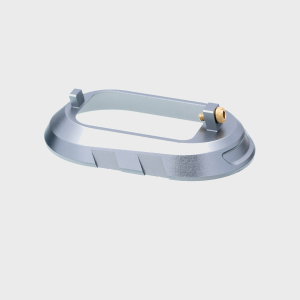
Removing and replacing muzzle devices on your rifle can be a simple process if you follow the correct steps. Whether you’re upgrading your rifle’s performance with a compensator, magwell, or flash hider, doing it safely ensures that your firearm remains functional, reliable, and secure.
If you’re looking for high-quality muzzle devices for your rifle, explore our selection of muzzle brakes and compensators.
FAQs
1. Can I remove the muzzle device without professional tools?
While it is possible to remove the muzzle device with basic tools, it’s recommended to use an armorer's wrench for a secure and safe removal. A vice also helps stabilize the rifle.
2. How do I know if the muzzle device is properly installed?
The muzzle device should be flush against the barrel and properly torqued. It should not have any play or wobble. Always double-check the alignment before tightening.
3. Is it necessary to apply thread locker?
Thread locker is not required but is recommended for ensuring the muzzle device stays secure. It helps prevent loosening due to recoil without making removal difficult.
4. Can I reuse a muzzle device after removing it?
If the muzzle device is in good condition and the barrel threads are not damaged, you can reuse it. However, it’s always good practice to check for any wear or damage before reinstalling.
5. How do I clean the muzzle device threads?
Use a clean rag or a brush to remove carbon and debris from the barrel threads. A small amount of penetrating oil can also help loosen any stubborn buildup.